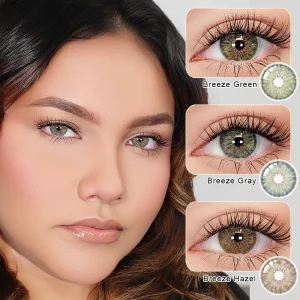
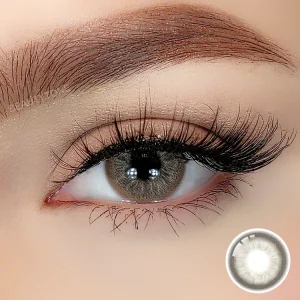
Explore our premium grade, high-comfort colored contact lenses engineered with proprietary polymer matrices for all-day breathability.
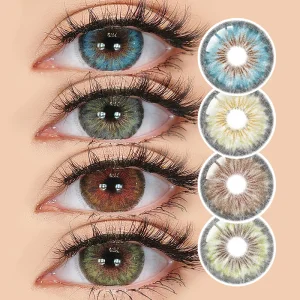



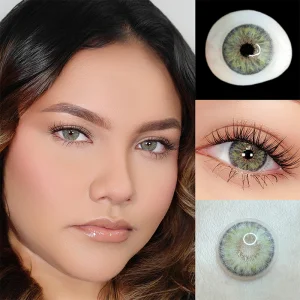
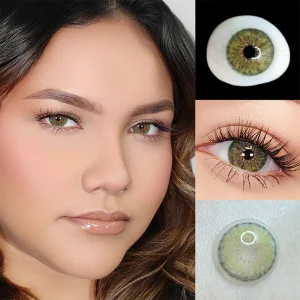
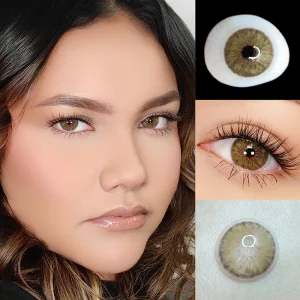
Unveiling the material breakthroughs, optical algorithms, and manufacturing dynamics shaping the modern contact lens landscape.
In the contemporary contact lens market, the 14.2mm diameter configuration represents the golden compromise between limbal stability, corneal oxygenation, and physiological comfort. Serving as the default diameter for a massive spectrum of global eyewear consumers, 14.2mm colored lenses, cosmetic lenses, and vision correction optics require highly sophisticated design methodologies to execute successfully on a mass industrial scale. Selecting the right manufacturer means assessing complex supply chains, medical compliance parameters, and cleanroom automation capabilities.
As a leading supplier in the visual health sector, Hunan Vibe Lenses Technology Co., Ltd. has pioneered robust manufacturing workflows to meet the rigorous demands of private-label clients globally. Operating a state-of-the-art facility equipped with precision cast-molding systems, the company bridges the gap between scientific engineering and fashion-forward aesthetics. This document offers an industry-deep whitepaper detailing the current industrial landscape of 14.2mm lens production, the materials driving innovation, and the technical parameters critical for brand growth.
Evaluating water content dynamics, oxygen transmissibility (Dk/t), and surface energy characteristics of primary contact lens matrices.
The engineering of contact lenses relies heavily on material composition. For a 14.2mm lens, the choice of substrate governs physical comfort, tear film integration, and optical clarity. Modern contact lens manufacturing generally splits into two primary pathways: HEMA (Hydroxyethyl methacrylate) and Silicone Hydrogels.
HEMA-based materials remain highly popular for colored contact lenses due to their ease of tinting and excellent affinity with cosmetic dyes. Because the pigments can be safely locked inside the HEMA polymer through advanced injection and curing cycles, HEMA lenses ensure zero pigment contact with the cornea. Classic HEMA materials exhibit a high water content profile (often between 38% and 42%), which provides a soft initial feel and robust structural integrity. This is particularly valuable for yearly disposable models where mechanical resilience is critical.
Silicone Hydrogels combine the high water absorption properties of hydrogels with the high oxygen permeability (Dk/t) of silicone. Oxygen transport is critical to maintaining corneal health, especially for users wearing lenses for more than 8 hours daily. While silicone is inherently hydrophobic, advanced surface modifications and internal wetting agents are used in 14.2mm silicone hydrogel manufacturing to lower the contact angle and retain hydration.
We match the 14.2mm overall diameter with tailored base curves (typically 8.5mm to 8.7mm) to maintain an ideal sagittal depth, preventing lens tightening or excessive movement on the eye.
Micro-engineered edge tapering minimizes lid-interaction during blinking, allowing natural tear fluid exchange beneath the lens body.
A multi-layered printing process embeds color pigments between two thin layers of hydrogel material, ensuring pigment molecules never make direct contact with the ocular surface.
| Material Class | Typical Water Content | Dk/t Range (at -3.00D) | Ideal Replacement Cycle | Primary Application Profile |
|---|---|---|---|---|
| Polymacon (HEMA Hydrogel) | 38% - 40% | 10 - 15 | 6 Months - Yearly | Cosmetic / Vivid Colors, High Durability |
| Nelfilcon A | 69% | 26 | Daily Disposable | High Moisture, Athletic / Single-Use |
| Silicone Hydrogel (Gen II) | 45% - 48% | 80 - 120 | Daily / Monthly | Extended Wear, High Physiological Breathability |
| Omafilcon A (Biocompatible) | 60% | 30 | Monthly / Daily | Dry Eye Management, High Biocompatibility |
Inside the manufacturing excellence of Hunan Vibe Lenses Technology Co., Ltd. - a template for automated medical-grade production.
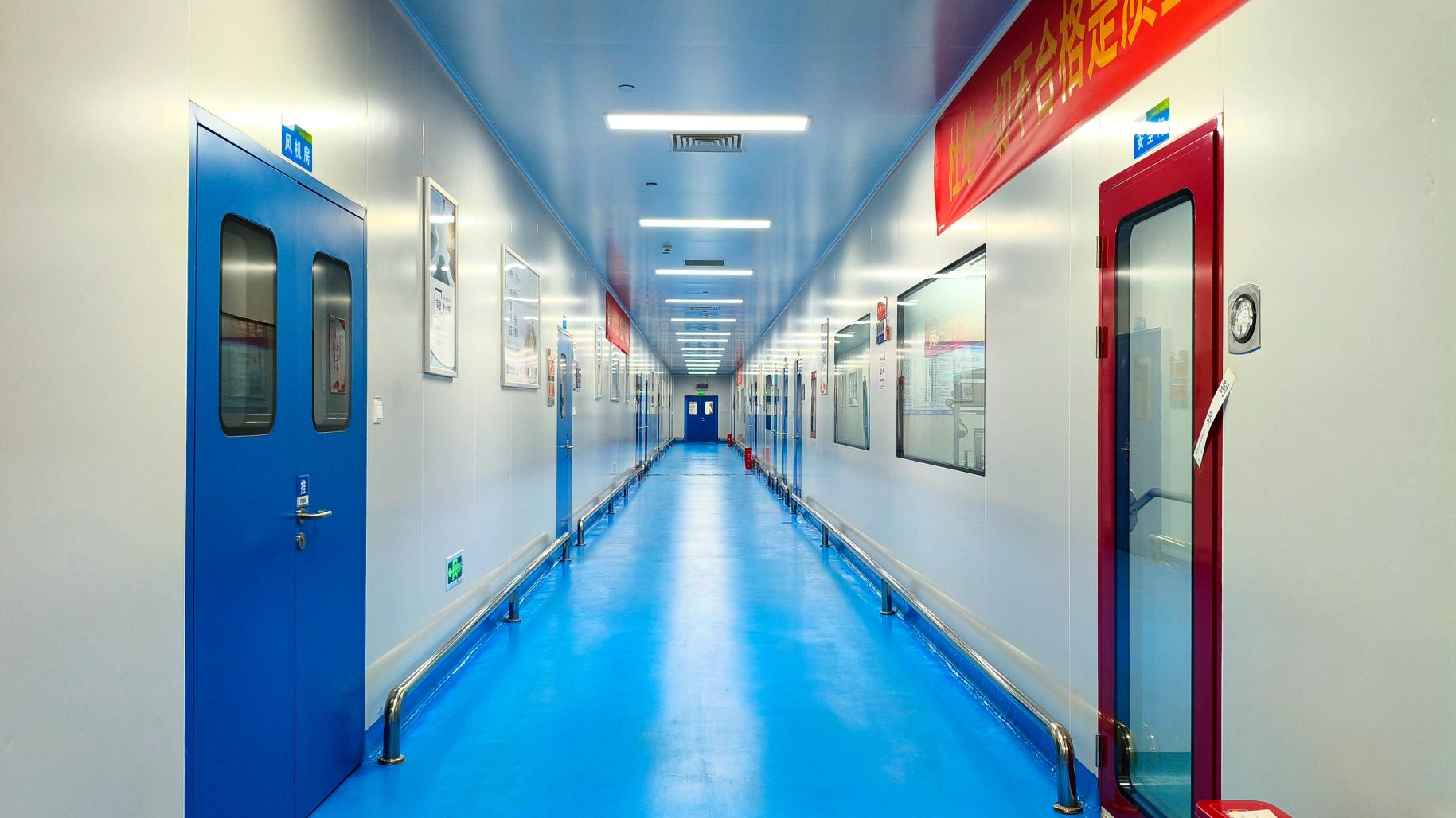
In the medical device classification system, contact lenses fall under Class II or Class III regulatory frameworks depending on the jurisdiction. Consequently, the manufacturing environment must conform to absolute sterility and extreme parameter reproducibility. Hunan Vibe Lenses Technology Co., Ltd. sets a high benchmark for operational excellence in their Dongguan production facility.
Hunan Vibe Lenses Technology Co., Ltd. is a certified OEM/ODM manufacturer of premium contact lenses and cosmetic colored lenses. Based in Dongguan, China, we combine automated, medical-grade cast-molding production (Class 100,000 cleanrooms) with trend-forward design capabilities. As a trusted private-label partner, we deliver CE and ISO-compliant manufacturing solutions, reliable bulk wholesale, and end-to-end supply chain support for global eyewear and beauty brands.
The manufacturing process at the Dongguan facility is built upon high-precision automated cast-molding lines. In contrast to traditional lathe-cutting, which is slow and prone to microscopic irregularities, cast-molding ensures that each 14.2mm lens retains consistent physical geometry down to the nanometer. Every production shift operates in a Class 100,000 cleanroom environment where air filtration systems actively control airborne particulates, humidity, and temperature. This environment prevents raw polymer contamination, ensuring high optical clarity and material safety.
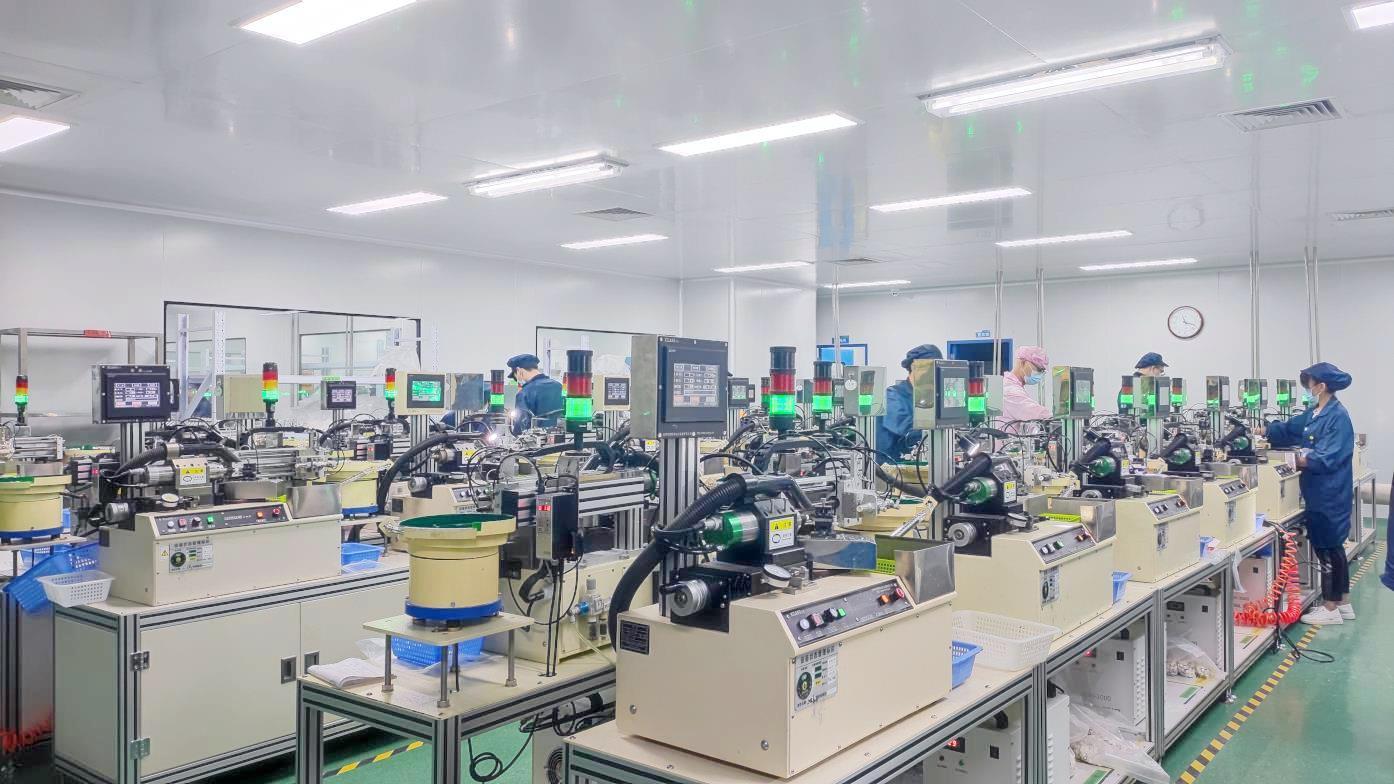
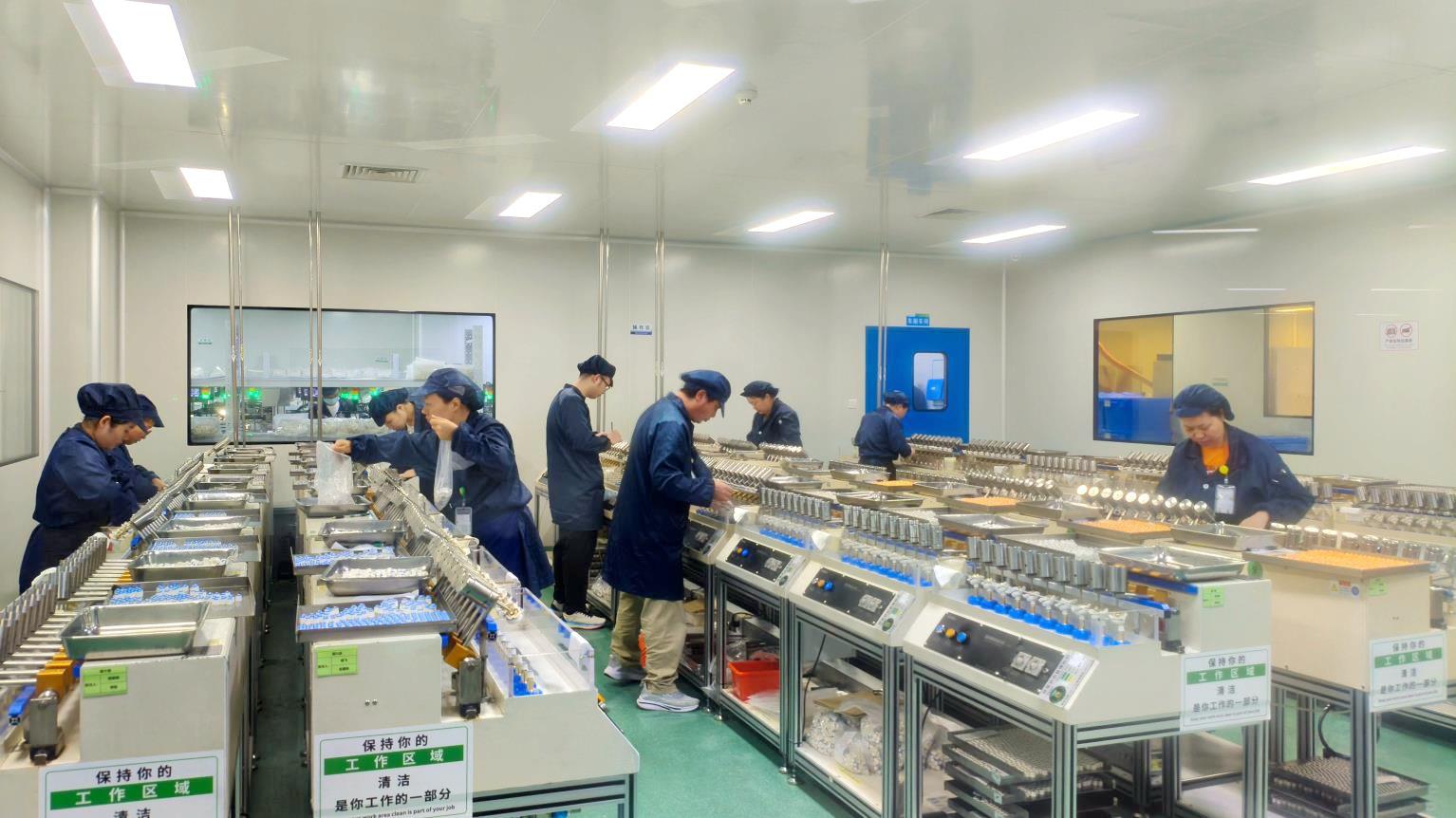
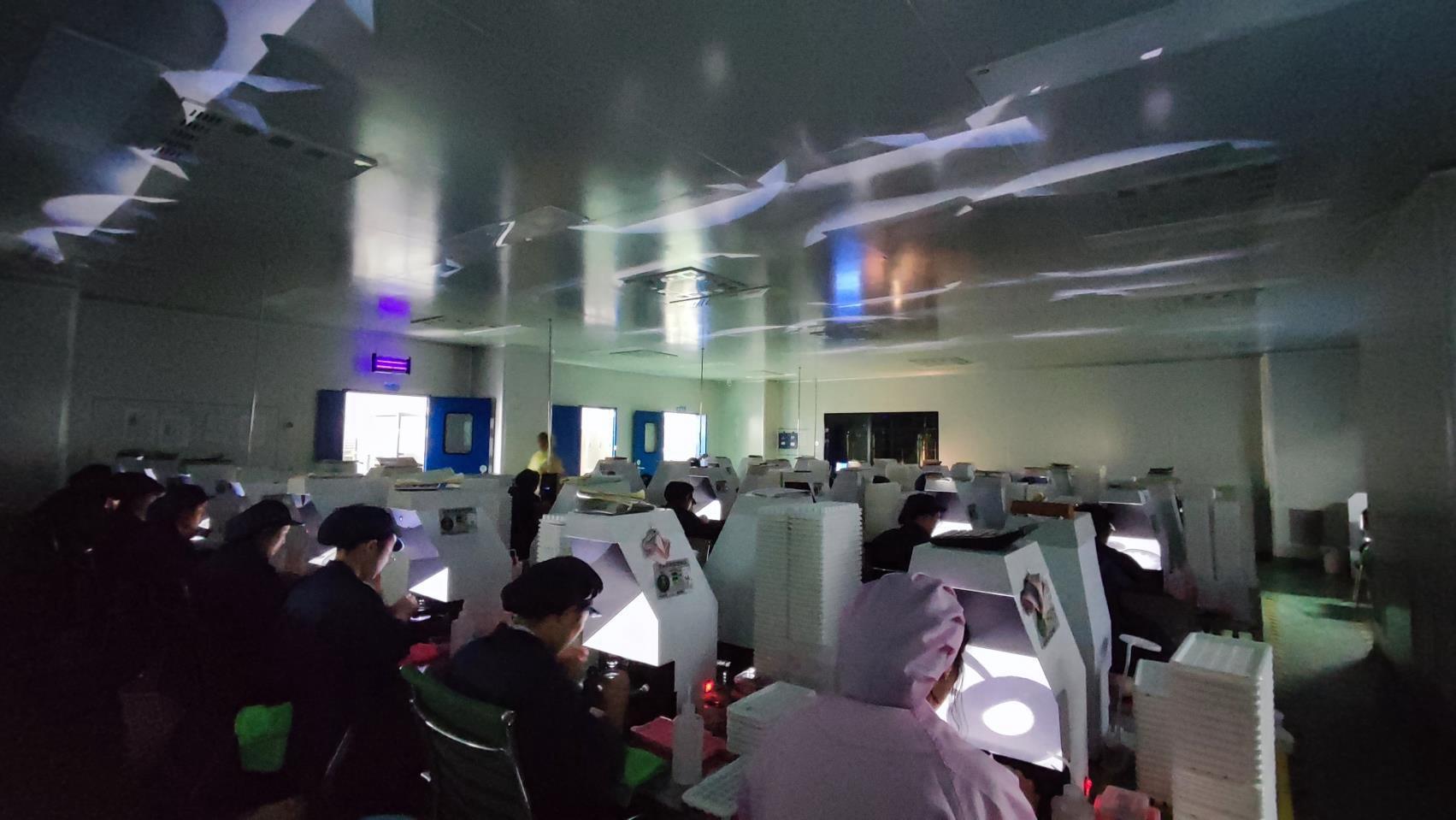
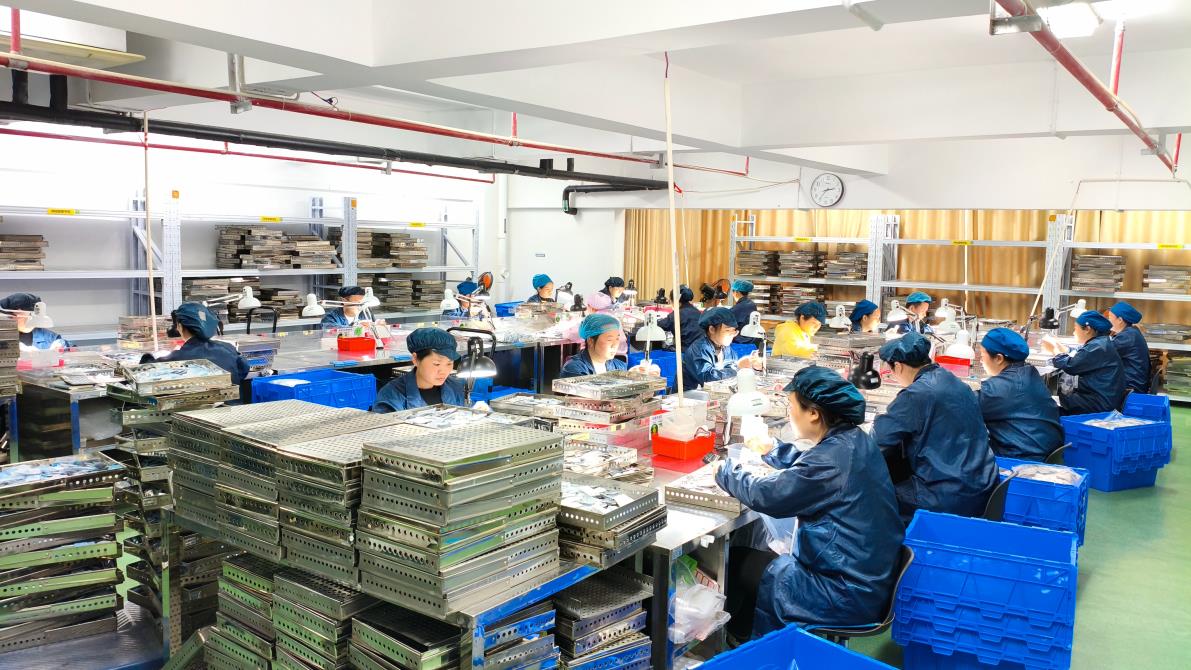
To support global supply chains, the manufacturing pipelines of Hunan Vibe Lenses comply with the stringent requirements of CE (MDR) and ISO 13485 (Medical Devices Quality Management Systems). Automated optical inspections (AOI) verify every lens for diameter variations, edge chips, surface anomalies, and center thickness deviation. Any lens failing to meet the tight tolerance margins is immediately discarded by the robotic QC arm, ensuring only top-tier products enter final packaging and sterilization cycles.
How demographics, regional regulations, and fashion trends shape demand patterns for 14.2mm diameter configurations.
The global demand for 14.2mm contact lenses spans diverse demographics and regulatory climates. As an industry-standard size, it suits varied ocular shapes across regional markets:
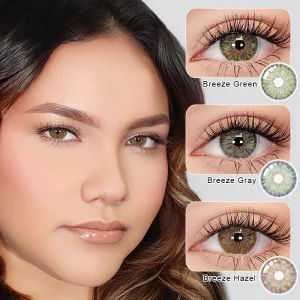
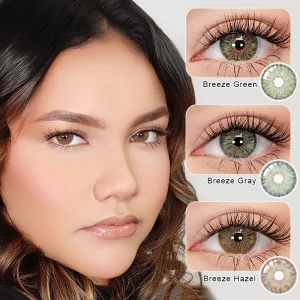
By understanding these regional dynamics, brands can customize their product portfolios to appeal directly to local tastes. For instance, launching a "Breeze Series" or "Cleopatra Series" allows distributors to target specific micro-demographics looking for natural enlarging effects without sacrificing physiological safety.
Emerging trends in contact lens production: smart sensors, eco-materials, and automated customization.
The contact lens industry is entering an era of rapid technological convergence. Future factories will not only produce vision correction and cosmetic optics but will also manufacture multi-functional smart devices:
With screen time increasing globally, integrating blue-light filtering polymers into standard 14.2mm lens formulations is gaining popularity. Photochromic lenses that darken dynamically under UV exposure represent another growing niche segment.
Future materials aim to mimic the structure of natural cell membranes. Incorporating elements like Phosphorylcholine (PC) helps attract and bind water molecules, forming a protective hydration shield that reduces lipid deposition and keeps lenses comfortable throughout the day.
Modern factories are transitioning to closed-loop water systems and eco-friendly molding plastics. Since cast molds are historically single-use, leading manufacturers are developing biodegradable mold substrates and recycling programs for polymer waste to reduce carbon footprints.
Addressing core technical queries for brand managers, distributors, and global sourcing specialists.
The average human iris diameter is between 11.5mm and 12.0mm. A 14.2mm lens provides adequate limbal coverage to ensure stable centration on the eye. This prevents the lens from shifting during blinking, which could block the pupil or cause physical discomfort. Additionally, it offers enough surface area for realistic gradient printing, delivering a natural-looking color transition.
At a minimum, factories must possess ISO 13485 certification for medical device quality management systems. For European distribution, CE marking (under the new Medical Device Regulation MDR) is mandatory. For the United States, FDA 510(k) clearance is required, along with strict adherence to GMP (Good Manufacturing Practices) guidelines.
Sandwich Technology (or double-cladding) embeds the color pattern between a clear base layer of hydrogel and a clear top layer. This completely isolates the pigment molecules, preventing them from interacting with the cornea or the palpebral conjunctiva under the eyelid. This design ensures long-term wear safety and maintains the optical clarity of the lens.
Depending on the complexity of the custom color designs and packaging requirements, OEM/ODM lead times generally run from 30 to 45 days post design confirmation. MOQs (Minimum Order Quantities) vary by factory. At Hunan Vibe Lenses, MOQs are structured to accommodate both emerging boutique brands and large global distributors, ensuring seamless supply chain scaling.
Yes. Custom toric molds can be produced in the 14.2mm format. Toric lenses require weighted zones (prism ballast or peri-ballast designs) to keep the axis aligned on the cornea, making high-precision cast-molding systems critical for their production.
Explore our premium grade, high-comfort colored contact lenses engineered with proprietary polymer matrices for all-day breathability.

 Vibe Lenses