Choosing the right Natural Color Contact Lenses in 2026 involves more than matching a shade to your skin tone. Buyers also need comfort, eye safety, material quality, and dependable product information. A soft hazel lens may look gentle in daylight, yet appear much stronger under warm indoor lighting. Small details matter.
This guide examines popular natural shades, including brown, gray, green, and subtle honey tones. It considers color realism, edge design, moisture retention, wearing comfort, and visual clarity. Product descriptions should be checked carefully, especially when diameter, base curve, replacement schedule, or prescription options differ between brands. Some lenses look convincing online but feel unsuitable after several hours. That gap deserves attention.
Safety remains essential. Cosmetic lenses should come from reputable sellers and follow applicable medical-device requirements in the buyer’s region. An eye-care professional can confirm fit, prescription needs, and whether a lens is appropriate for regular use. Never share lenses, sleep in them without professional approval, or ignore redness and blurred vision. These are not minor inconveniences.
The selection process is not perfectly objective. A lens praised for its natural finish may still appear artificial on another eye color. Personal comfort can also vary by climate, screen time, and tear-film quality. This article compares practical buyer concerns with visible style results, helping readers make a more informed choice rather than relying on edited photographs alone. Expect useful guidance, but keep room for personal testing and professional advice.
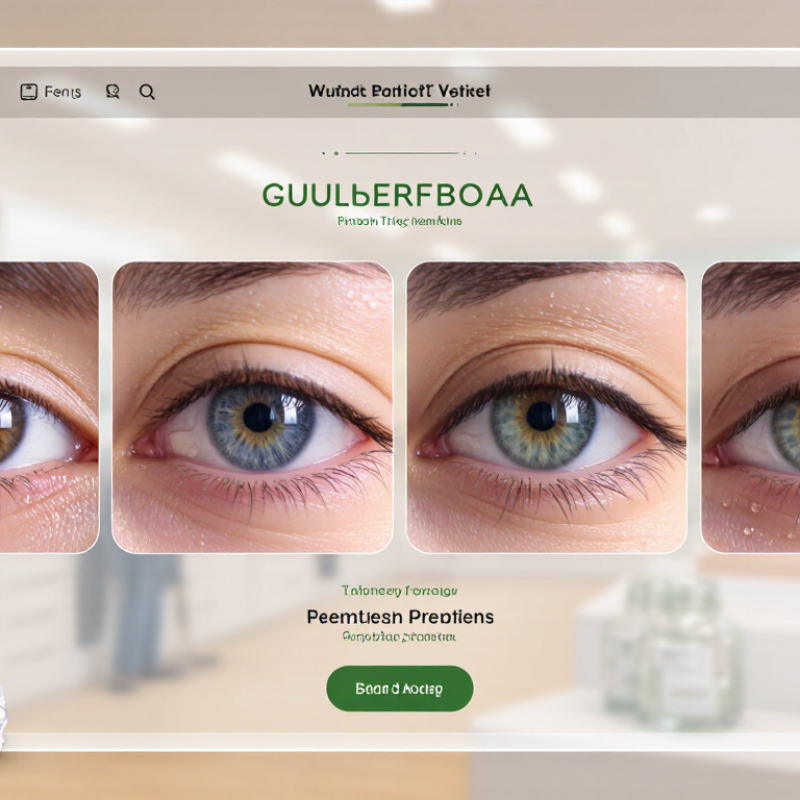
Natural color contact lenses are soft or rigid lenses with a translucent tint. They gently change the visible iris color without creating a painted appearance. Most designs keep the central pupil area clear. This allows light to enter normally while the tinted ring blends with your natural eye. The result depends on shade, pattern, diameter, and lighting. Subtle variation matters.
In professional fitting, comfort should be assessed before appearance. A correct lens must match your eye’s curve and movement. Poorly fitted lenses can cause dryness, redness, blurred vision, or scratches. Choose products approved by your local medical-device authority. An eye examination is still important, even for cosmetic lenses. I used to think a realistic color was the main goal. It is not. Stable vision and healthy eyes matter more.
Tips: Wash and dry your hands before handling lenses. Follow the recommended wearing schedule. Never sleep or swim while wearing them. Do not share lenses or use tap water for cleaning. Replace the storage solution as directed. Remove the lenses immediately if pain, strong redness, or sudden blur appears. Contact an eye-care professional promptly.
Natural color contacts should enhance your eyes without looking painted on. Compare the lens pattern, transparency, and color blending in daylight. A soft limbal ring often creates definition, while irregular flecks can appear more realistic. Check photos taken from different distances. Online previews can mislead.
Fit matters more than a fashionable shade. An eye-care professional should check your prescription, base curve, diameter, and corneal health. A lens that moves excessively may blur vision or cause irritation. A tight lens can feel dry after several hours. Material breathability also matters, especially for long wear. Look for clear information about oxygen transmission and replacement schedules.
Comfort is not proof of safety. I once underestimated how quickly indoor heating could dry my eyes. That was a useful warning. Compare moisture retention, edge design, and wearing limits stated by the manufacturer. Never share lenses, sleep in them, or rinse them with tap water. Use sterile solution and replace the case regularly. Reliable sellers should provide complete product details, traceable manufacturing information, and appropriate prescription requirements. Be cautious when these details are missing. Eye redness, pain, light sensitivity, or sudden blurred vision requires prompt professional attention. A natural effect is valuable, but healthy eyes come first.
Choosing natural color contact lenses in 2026 requires matching both eye color and undertone. Grand View Research valued the global contact lens market at approximately US$9.8 billion in 2023. Its outlook also reflects continued demand for cosmetic and daily-wear products. Natural results remain popular.
Brown eyes usually suit honey, caramel, warm hazel, and soft olive lenses. These shades add light without hiding the original iris. Dark brown eyes may need a slightly stronger limbal ring for visible definition.
Blue eyes often look balanced with smoky gray, muted green, or pale hazel. Avoid overly bright blue; it can appear artificial in daylight.
Green eyes pair well with gray-green, amber, and soft brown tones.
Color depends on more than the iris. Skin undertone, pupil size, and lighting change the final effect. A 2024 Fortune Business Insights report also links market growth with demand for customized cosmetic lenses. Still, market growth does not prove safety.
In the United States, the FDA classifies decorative lenses as medical devices requiring proper fitting and prescription. The CDC warns that poor hygiene can cause serious eye infections. Buy only from regulated sellers and follow an eye-care professional’s fitting advice.
My practical mistake was judging color from an online image alone. Real lenses looked darker on my eyes. Subtle is safer. Yet “natural” is subjective, and some gray shades may look flat on deep brown irises. Test undertones in daylight, not only under store lighting. Replace lenses according to the prescribed schedule. Never share them.
Natural-looking color contact lenses should begin with eye health, not shade selection. Contact lenses are medical devices, even when worn for appearance. A licensed eye-care professional should check your prescription, corneal shape, and tear film before daily use. This fitting helps reduce rubbing, dryness, and blurred vision. It also confirms whether the lens moves safely with each blink.
Look for breathable materials, smooth edges, and stable color patterns. A realistic lens should sit evenly without covering the pupil during normal eye movement. Comfort matters after six hours, not only during the first ten minutes. Try lenses in a clean environment. Notice redness around the lower eyelid, gritty feelings, or vision that changes when you blink. Remove the lenses if these signs appear. Do not push through discomfort.
Clean, dry hands are essential before handling lenses. Use the recommended disinfecting solution, and never replace it with tap water or saliva. Do not sleep, swim, or shower while wearing daily lenses. Replace the storage case regularly, and follow the product’s replacement schedule. This part is easy to neglect. Even careful wearers sometimes stretch one pair for too long, especially when the lenses still look clear. That assumption can harm the eyes. Keep a spare pair of glasses nearby, and stop wearing lenses when pain, strong redness, discharge, or lasting blur occurs. Seek professional care promptly.
Selecting natural color contact lenses in 2026 should begin with eye health, not shade. The U.S. Food and Drug Administration classifies decorative lenses as medical devices, including lenses that simply change eye color. A prescription and professional fitting remain essential in the United States. The Centers for Disease Control and Prevention reports that about 45 million Americans wear contact lenses, yet risky habits still cause many preventable eye infections.
Buyers should compare base curve, diameter, oxygen permeability, replacement schedule, and water content. A lens may look subtle in a product image but appear larger on the eye. Check the printed diameter carefully. Higher oxygen transmission can support corneal comfort, especially during long workdays. However, water content alone does not prove comfort. Material and individual tear quality matter more than marketing language. Slightly imperfect fit can create redness, blurred vision, or a gritty feeling.
Independent evidence matters. A 2024 Grand View Research report valued the global contact lens market at roughly 10 billion U.S. dollars, with cosmetic demand contributing to continued growth. Market growth does not equal product safety. Look for transparent specifications, lot information, expiry dates, and traceable regulatory details. Avoid lenses sold without fitting guidance. Never sleep or swim in them unless an eye-care professional specifically approves it. I would choose a less dramatic color with stable vision over a vivid shade that feels dry after two hours. That choice may seem conservative. It is also easier to live with.
Compare the lens pattern, transparency, color blending, diameter, and base curve. Check the effect in daylight, not only online images.
Soft limbal rings can add gentle definition. Irregular flecks may resemble natural iris details. Avoid colors that look flat or painted.
A poor fit may cause redness, blurred vision, dryness, or a gritty feeling. A fashionable shade cannot compensate for unstable vision.
They should check your prescription, base curve, diameter, and corneal health. Professional fitting remains essential.
No. Material, oxygen transmission, edge design, and tear quality also affect comfort. Marketing claims can oversimplify the issue.
Compare images taken at different distances and in natural daylight. A lens may appear subtle online but look larger on the eye.
Never sleep or swim in lenses without professional approval. Do not share them or rinse them with tap water.
Use sterile solution and replace the case regularly. Follow the stated replacement schedule, even when lenses still look clean.
Look for complete specifications, expiry dates, lot information, manufacturing details, and prescription requirements. Missing details deserve caution.
Stop if pain, redness, light sensitivity, or sudden blurred vision appears. Seek prompt professional attention. Comfort can be misleading.
This guide to Natural Color Contact Lenses explains how tinted lenses are designed to enhance or subtly change the appearance of the eyes while allowing the wearer’s natural eye color and facial features to remain balanced. It introduces the main lens components, including the color pattern, pupil opening, material, moisture level, and design fit. Buyers will learn which features to compare, such as shade realism, opacity, diameter, edge definition, breathability, wearing time, and prescription availability. The guide also explores suitable lens types for light, medium, and dark eyes, helping readers choose results that range from barely noticeable to more visibly defined.
Comfort and eye safety are central to daily use. Proper fitting, clean hands, approved lens solutions, correct storage, and adherence to replacement schedules can help reduce irritation and infection risks. By considering eye color, desired effect, lifestyle, prescription needs, comfort preferences, and professional fitting advice, buyers can make a more informed choice among Natural Color Contact Lenses in 2026.
