Bright Color Contact Lenses can transform an ordinary look within seconds. A vivid emerald rim, icy blue iris, or warm honey shade may appear striking in photographs. Yet color is only one part of a safe buying decision. Comfort, vision quality, lens material, and professional fitting matter just as much.
Dr. Thomas L. Steinemann, an ophthalmologist and contact-lens researcher, emphasizes, “Cosmetic contact lenses are medical devices, not costume jewelry.” That warning deserves attention. Even decorative lenses rest directly on the eye’s delicate surface. An attractive package cannot confirm a safe fit. A poor lens may feel tight, move unevenly, or leave the eye red after a few hours.
This guide explains seven practical tips for buying Bright Color Contact Lenses with greater confidence. It considers prescription needs, reputable sellers, material quality, hygiene instructions, replacement schedules, and realistic color expectations. A lens that looks natural online may appear much stronger under indoor lighting. Small details change the result.
There is no perfect choice.
Some buyers focus heavily on shade and overlook moisture retention. Others assume discomfort will disappear after repeated wear. That assumption can be risky. Personal experience also varies, so a friend’s favorite brand may not suit your eyes.
The safest approach combines careful research with advice from a qualified eye-care professional. Readers should check packaging details, follow cleaning instructions, and stop wearing lenses when pain, blurred vision, or unusual redness occurs. These habits may seem cautious, but eye health is not an area for guesswork.
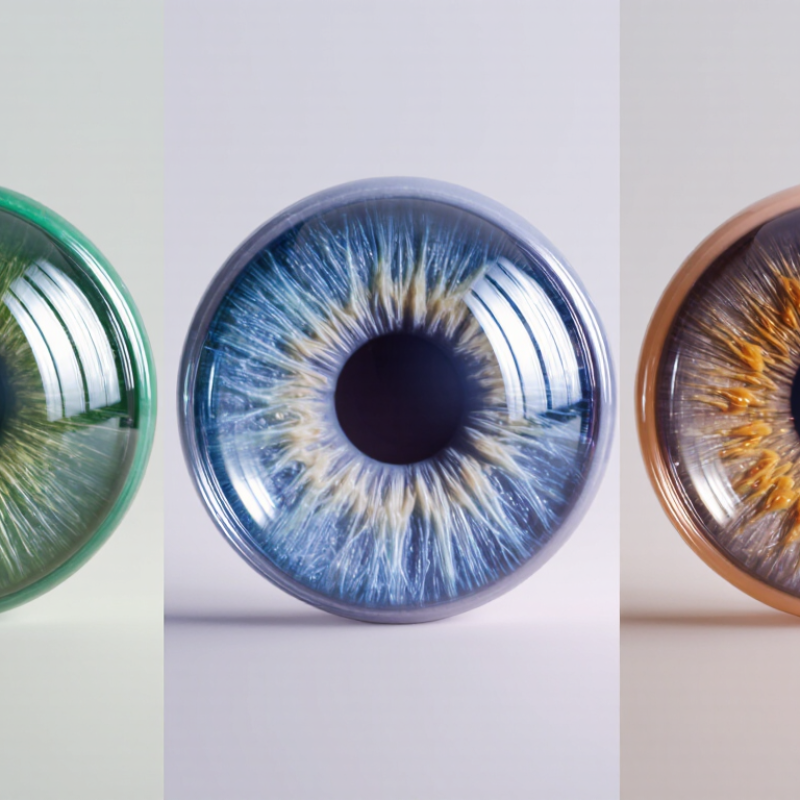
Bright color contact lenses usually fall into three groups: enhancement tints, opaque tints, and circle lenses. Enhancement tints deepen natural eye color. Opaque lenses create a stronger change, even on dark irises. Circle lenses add a larger-looking border around the iris. The visual effect can be dramatic. It can also look less natural than expected.
A practical fitting lesson is simple: color does not determine comfort. Lens material, oxygen transmission, diameter, and base curve matter more. Poorly fitted lenses may cause dryness, redness, blurred vision, or a gritty feeling.
The U.S. Food and Drug Administration classifies decorative lenses as medical devices, not ordinary accessories. A licensed eye-care professional should check the fit before purchase, even without vision correction.
In a CDC Morbidity and Mortality Weekly Report survey, about 99% of contact lens wearers reported at least one risky care habit. Never share lenses, sleep in them, or use water for cleaning. Follow the recommended replacement schedule.
Yet product photos can mislead; a vivid online image may not match your natural eye color or indoor lighting. I would also question dramatic enlarging effects, because comfort is often sacrificed for appearance.
Stop wearing lenses when pain or sudden vision changes appear, and seek professional care promptly.
Bright color contact lenses can change your look, but eye health must guide the choice. Decorative lenses still sit directly on the cornea. A poor fit may cause dryness, scratches, or infection. Arrange a complete eye examination with a licensed eye-care professional. Ask about your corneal shape, tear film, and any allergies. Mention any previous discomfort. Small details matter.
Do not choose a lens only by diameter or online photographs. A professional should assess movement, coverage, oxygen access, and vision quality. The lens should move gently when you blink, without slipping or pressing. Your eyes should not feel tight. Never share lenses, sleep in them, or rinse them with tap water. Use fresh approved solution and clean hands. Follow the wearing schedule, even when the color looks harmless.
Stop wearing the lenses if pain, light sensitivity, swelling, discharge, or sudden blur appears. Remove them and seek prompt eye care. Do not wait for severe symptoms to disappear. I used to underestimate how quickly irritation could worsen; that assumption was careless. Fit can also change with makeup, dry air, or illness. A safe choice may look less dramatic, and that can feel disappointing. Eye comfort deserves the final say.
Bright color contact lenses can change your appearance, but they still require the same eye-health precautions as clear lenses. Check your eye health, obtain a valid prescription, and choose a lens that is professionally fitted.
Replacement timing depends on the lens type and the instructions from your eye-care professional. Never extend wear beyond the recommended schedule, even if the lenses look clean.
Bright color contact lenses can transform an eye look, but the material matters more than the shade. Soft hydrogel lenses may feel comfortable because they contain water. However, they can dry out during long screen sessions. Silicone hydrogel often allows more oxygen to reach the cornea. Comfort still depends on fit, tear quality, and wearing habits.
Color patterns also affect vision. A dense printed center may appear striking but can blur sight in dim rooms. Check the lens while looking at a white wall and reading small text. If the color ring moves across the pupil, the fit may be unstable. Bright blue, violet, and green shades look different under sunlight, indoor lamps, and phone cameras. Product photos can mislead.
Wear options deserve careful attention. Daily disposables reduce cleaning errors and suit occasional costume use. Reusable lenses may cost less over time, but they require fresh solution and a clean case. Never share lenses, sleep in unapproved lenses, or use tap water for rinsing. An eye-care professional should check the curve, diameter, prescription, and eye health before purchase. That step feels inconvenient, yet guessing can cause redness or corneal injury. I have found that shorter wear times often preserve comfort, even when the packaging promises extended use. Remove the lenses immediately if pain, sudden blur, light sensitivity, or unusual discharge appears, and seek qualified medical advice.
Bright color contact lenses should be purchased from sellers who can prove product quality, not merely display attractive photographs. A reliable seller should request a valid prescription where required, show the manufacturer, material, expiry date, lot number, and regulatory details. Check whether the package is sealed, undamaged, and printed clearly. A professional seller should also provide instructions for cleaning, storage, replacement, and reporting adverse reactions. FDA guidance classifies decorative contact lenses as medical devices, so “cosmetic” does not mean risk-free.
The CDC’s 2016 Morbidity and Mortality Weekly Report found that 99% of surveyed contact lens wearers reported at least one risky hygiene practice. That figure makes seller education especially important. Look for traceable customer service, a physical business address, and a clear return policy for unopened products. Avoid sellers who promise “universal fit” or ignore eye-care advice. Bright color lenses should fit the eye properly, because poor movement can cause redness, blurred vision, or scratches.
Packaging can be inspected under a bright lamp. Tiny spelling errors, missing batch information, or cloudy liquid deserve caution. Still, I would not treat perfect packaging as proof of safety; it can be copied. An eye-care professional can verify fit and suitability before purchase. The CDC report also noted that many wearers experienced contact-lens-related eye problems, reminding buyers that convenience often hides responsibility. Buy only products with verifiable documentation, and stop wearing them when discomfort appears.
Bright color contact lenses can change your appearance, but safe use matters more than the shade. Get an eye examination before buying them, even if your vision is clear. A qualified eye-care professional can check the fit, prescription, and health of your eyes. Never buy lenses from an unverified seller or share them with anyone.
Wash and dry your hands before touching the lenses. Clean hands matter. Use only the recommended sterile contact-lens solution, never tap water, saliva, or homemade mixtures. Rub and rinse each lens as directed, then place it in fresh solution inside a clean case. Replace the case regularly, and keep it closed between uses. Do not improvise.
Follow the wearing schedule carefully, and never sleep in lenses unless an eye-care professional specifically approves it. Remove them before swimming or showering to reduce contamination. Replace lenses according to their stated schedule, even when they still look usable. Do not wear a damaged, dried-out, or discolored lens. The easy mistake is trusting appearance over hygiene. If your eyes become painful, unusually red, sensitive to light, or blurry, remove the lenses and seek professional care promptly. Waiting can make a small problem harder to treat.
| Tip | Key Decision or Practice | Why It Matters | Recommended Action | Cleaning and Replacement Guidance | Stop Wearing and Seek Professional Advice If |
|---|---|---|---|---|---|
| 1Buy Only With Professional Guidance | Choose lenses that are properly fitted and prescribed for your eyes, even when they are sold for cosmetic use. | Contact lenses are medical devices. An incorrect fit or unapproved product can reduce oxygen reaching the cornea and increase the risk of irritation, infection, or injury. | Have an eye-care professional check your prescription, fit, wearing schedule, and the suitability of the lens material. | Do not buy lenses with missing prescription, fit, lot, or expiration information. Never use another person's lenses. | You experience persistent redness, pain, light sensitivity, unusual discharge, or blurred vision. |
| 2Check the Package Before Opening | Inspect the sealed package and confirm the lens is within its expiration date. | A damaged seal or expired lens may be contaminated, dehydrated, or unsuitable for safe wear. | Do not use a blister pack that is leaking, open, punctured, unusually cloudy, or past its expiration date. | Use lenses according to the labeled replacement schedule. The package date does not replace the prescribed wear schedule. | The lens is torn, folded into a sharp edge, discolored, or has visible particles that do not rinse away with approved solution. |
| 3Wash and Dry Your Hands | Clean hands before handling lenses, including before insertion and removal. | Hand residue, cosmetics, oils, and microorganisms can transfer directly to the lens and eye. | Wash with soap and water, rinse thoroughly, and dry with a clean, lint-free towel before touching the lenses. | Avoid handling lenses immediately after applying hand cream, oily products, or makeup. | Your eye becomes irritated after handling, or a lens repeatedly feels dirty despite proper hand hygiene. |
| 4Use the Correct Cleaning Solution | Use fresh, commercially prepared contact-lens solution that is appropriate for the lens type. | Proper disinfecting solution helps reduce microorganisms. Tap water, saliva, and homemade saline are not safe substitutes. | Rub and rinse reusable lenses as directed by the solution instructions, then store them in fresh solution. | Never top off old solution. Empty and rinse the case with recommended solution, then allow it to air-dry. | You develop burning, swelling, or increasing discomfort after using a solution; ask a professional whether the solution should be changed. |
| 5Avoid Water, Sleeping, and Sharing | Keep lenses away from tap water, swimming water, hot tubs, and overnight wear unless specifically approved by an eye-care professional. | Water exposure and sleeping in lenses can increase the risk of serious corneal infection. Sharing lenses can transfer microorganisms and may cause an unsafe fit. | Remove lenses before swimming or showering when possible. Use suitable protective eyewear for water activities and never share lenses. | If lenses contact water, remove them as soon as practical and follow the prescribed cleaning or disposal instructions. | You have eye pain, marked redness, light sensitivity, discharge, or sudden vision changes after water exposure or sleeping in lenses. |
| 6Follow the Replacement Schedule | Replace lenses on the schedule specified for that lens type and by your eye-care professional. | Wearing lenses beyond their approved schedule can increase deposits, reduce comfort, and raise the risk of complications. | Daily disposable lenses are discarded after one use. Reusable lenses are replaced at the prescribed interval, even if they still look usable. | Replace the lens case at least every three months, or sooner if it is damaged or contaminated. Do not reuse old storage solution. | The lens becomes uncomfortable, dry, cloudy, damaged, or difficult to clean before its scheduled replacement date. |
| 7Manage Makeup and Monitor Comfort | Insert lenses before applying eye makeup and remove lenses before removing makeup. | Cosmetic particles and oils can adhere to lenses, causing irritation or reducing visual clarity. | Keep makeup tools clean, avoid applying products directly to the inner eyelid, and replace eye makeup according to its use and hygiene instructions. | Remove and discard a lens that remains uncomfortable after following the approved cleaning instructions. Do not continue wearing it to complete an event. | Remove the lenses promptly and contact an eye-care professional for persistent redness, pain, discharge, light sensitivity, or reduced vision. |
Enhancement tints deepen your natural eye color. Opaque tints create stronger changes, even on dark irises. Circle lenses add a larger-looking border around the iris. The result may look dramatic, but sometimes less natural.
No. Material, oxygen transmission, diameter, and base curve matter more. A poor fit can cause dryness, redness, blurred vision, or a gritty feeling. Bright color is not a comfort guarantee.
Yes. An eye-care professional should check your eye health, curve, diameter, and prescription. This matters even when your vision is clear. Skipping this step feels easier, but guessing can cause trouble.
Dense printed areas may blur sight in dim rooms. Check the lenses against a white wall and read small text. If the color ring moves across your pupil, the fit may be unstable. That detail is easy to miss.
Soft hydrogel lenses may feel comfortable because they contain water. They can still dry during long screen sessions. Silicone hydrogel often allows more oxygen to reach the cornea. Fit and tear quality still matter.
Wash and dry your hands before touching them. Use sterile contact-lens solution only. Never use tap water, saliva, or homemade mixtures. Rub and rinse as directed, then store each lens in fresh solution.
Do not sleep in them unless a professional specifically approves it. Remove them before swimming or showering. Water can introduce contamination. Avoid shortcuts.
Remove them immediately if you feel pain, sudden blur, unusual redness, light sensitivity, or discharge. Seek qualified medical care promptly. Waiting may worsen a small problem. I would not “wait and see” with sudden vision changes.
Buying Bright Color Contact Lenses should begin with understanding how different lens types can change your appearance, including subtle enhancements and dramatic color effects. Consider whether you need prescription or non-prescription lenses, and remember that eye health and comfort come first. A professional eye examination can help determine the correct fit, while reviewing lens materials, color patterns, opacity, and wearing options can help you select a suitable pair for your needs.
Choose lenses from a trusted, transparent seller and check that the product is properly packaged, clearly labeled, and within its expiration date. Avoid sharing lenses or buying products with unclear origins. Always wash and dry your hands before handling them, use the recommended cleaning solution, and follow the suggested wearing schedule. Replace lenses as directed, store them correctly, and stop using them if you experience pain, redness, blurred vision, or unusual discomfort. Proper care helps Bright Color Contact Lenses remain a safer and more comfortable choice.
