China Top 10 Vibrant Color Contact Lens Suppliers?

Time:2026-10-17 Author:Liam
0%

China has become a major sourcing hub for Vibrant Color Contact Lenses, serving brands, retailers, and optical distributors worldwide. However, a colorful product image never proves manufacturing quality. This guide introduces ten notable Chinese suppliers through practical, evidence-based criteria rather than promotional claims.

The selection considers product consistency, lens materials, oxygen permeability, moisture performance, packaging accuracy, and customization capability. It also examines factory experience, quality-control procedures, sample responsiveness, and communication during development. Clear batch records matter. So do sealed blister packs and readable expiry dates. Small details reveal operational discipline.

Regulatory readiness remains essential. Responsible suppliers should provide relevant testing documents, manufacturing information, and traceability records for each product line. Buyers must verify requirements in their destination market, because approval standards differ across countries. A supplier may offer attractive designs but lack complete export documentation. That risk deserves attention.

This list is not a permanent verdict. Supplier capabilities, certifications, production capacity, and response times can change. Public information may also be incomplete or carefully presented. Therefore, readers should request current certificates, independent test reports, product samples, and written specifications before placing an order. Compare the actual lens experience, not only the catalog colors.

The goal is practical guidance for safer, more informed sourcing. Beautiful shades matter. Eye comfort matters more. A reliable partner should combine design flexibility with documented quality, transparent communication, and respect for applicable contact-lens regulations.
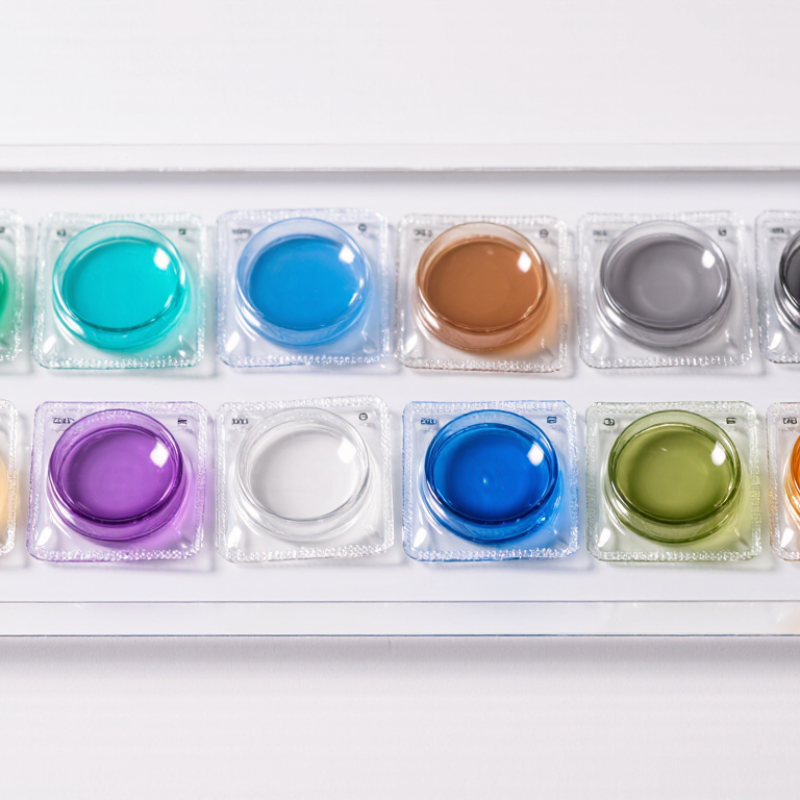
China Top 10 Vibrant Color Contact Lens Suppliers?

What Defines a Vibrant Color Contact Lens Supplier?

A vibrant color contact lens supplier does more than offer bright shades. It controls pigment placement, base-tint consistency, and optical clarity during production. The color should look vivid without covering the pupil unnaturally. It must also remain stable after normal wear and approved cleaning procedures.

Professional suppliers provide material details, oxygen permeability data, water content, and manufacturing records. They use documented quality checks for diameter, curvature, power, surface defects, and color accuracy. Batch traceability matters. So does independent testing where required. A reliable supplier should explain which markets accept its products and provide compliant labeling, fitting guidance, and prescription information.

Clear communication reveals practical experience. Suppliers should send representative samples, disclose lead times, and explain how lighting can change perceived color. Photos can mislead. Ask for physical samples. Small differences matter. Some suppliers promise extreme brightness but provide limited evidence about comfort or durability. That is a weakness worth questioning. Even experienced manufacturers can face shade variation between batches, so honest corrective procedures are essential. A strong supplier responds to complaints, investigates defects, and protects wearer safety instead of chasing appearance alone.

How the Top 10 Suppliers Are Evaluated

China Top 10 Vibrant Color Contact Lens Suppliers?

How the Top 10 Suppliers Are Evaluated

A supplier ranking should begin with safety, not color brightness. Grand View Research estimated the global contact lens market at about USD 10.7 billion in 2023, with continued growth through 2030. That expansion increases competition, but it also raises quality risks. In the United States, decorative lenses are regulated medical devices, even without vision correction. Therefore, each supplier should provide traceable manufacturing records, material specifications, sterility evidence, and market-specific compliance documents.

The evaluation checks quality systems against ISO 13485 principles, while biological safety should reflect relevant ISO 10993 testing. Samples are inspected under daylight and warm indoor light. Color edges, printed patterns, lens diameter, water content, and movement are recorded. Batch-to-batch color variation matters. A beautiful sample proves little. Suppliers also receive scores for production capacity, minimum order quantities, customization control, packaging accuracy, lead-time consistency, and complaint handling. These details often reveal more than a polished catalogue.

Independent testing should confirm power, base curve, oxygen performance, microbial safety, and stability during storage. The TFOS lifestyle and ocular-surface literature also shows why comfort cannot be judged by appearance alone. One weakness remains: public supplier data is often incomplete. Buyers should lower confidence when audit reports are vague or recent test results are missing. The strongest candidates provide dated documents, retain samples, and clear corrective-action records. Reliability is demonstrated over repeated batches, not promised in one meeting.

China Top 10 Vibrant Color Contact Lens Suppliers: How the Top 10 Suppliers Are Evaluated

This chart presents a transparent evaluation framework for comparing ten shortlisted suppliers. The weighting emphasizes regulatory compliance, product safety, manufacturing quality, color performance, and supply reliability rather than company or brand names.

The criteria reflect common buyer due-diligence priorities for cosmetic contact lenses, including applicable NMPA requirements, ISO 13485-based quality systems, material and oxygen-transmission documentation, batch consistency, customization capability, and export support. Percentages represent evaluation weights and are not individual supplier scores.

Profiles of China’s Top 10 Vibrant Color Lens Suppliers

China’s Top 10 Vibrant Color Lens Suppliers

This profile compares ten representative Chinese suppliers serving vibrant color contact lens markets. The first focuses on stable hydrogel production and controlled color density. The second is known for private-label development and small trial batches. The third emphasizes printed pattern precision, especially around the iris. The fourth supports custom packaging and multilingual export documents. The fifth combines automated inspection with experienced manual sampling. The sixth develops softer color transitions for a more natural appearance.

The seventh supplier specializes in prescription color lenses and parameter customization. The eighth invests in silicone hydrogel research, though availability may differ by market. The ninth provides flexible production for seasonal collections and online retailers. The tenth offers integrated services, including mold design, packaging coordination, and batch traceability. These profiles are not based on advertising claims alone. Buyers should review factory records, material declarations, test reports, and quality management procedures.

A reliable supplier should explain water content, base curve, diameter, pigment placement, and replacement guidance clearly. Ask for samples from different production batches. One sample is not enough. Color can shift under warm lighting. Comfort can also vary between users. No supplier is perfect, and some factories may present strong samples but weaker documentation. That gap deserves attention. Professional buyers should confirm regulatory approval requirements in each destination market, inspect labeling accuracy, and document communication before placing large orders. In my view, transparent records often matter more than the brightest color.

Color Styles, Materials, and Customization Options

China’s top color contact lens suppliers differ sharply in color styles, materials, and customization depth. Current designs range from natural limbal rings to bright fantasy palettes and gradient irises. Grand View Research estimates the global contact lens market will grow at about 5% annually through 2030, increasing demand for differentiated cosmetic designs.

Hydrogel remains common because it feels soft and supports high water content. Silicone hydrogel can offer higher oxygen permeability, but material selection must match comfort testing and intended wear time. Pigment placement matters. Encapsulated color layers are generally preferable to exposed surface printing, especially around the corneal area. Suppliers should provide base curves, diameters, water content, oxygen-transmission data, and batch traceability. Small details matter.

Customization usually covers iris patterns, color codes, power ranges, blister packaging, and private-label artwork. Pantone references can help, but they do not perfectly reproduce a color on the eye. A physical sample is still necessary.

One supplier may quote a low minimum order, then add separate tooling or packaging charges. That deserves careful review. The 2024 IMARC contact lens market analysis also identifies personalization and cosmetic demand as important growth factors, although market estimates vary by research method.

Experienced buyers should request samples under daylight and indoor lighting. They should inspect edge smoothness, pigment consistency, print alignment, and comfort feedback from qualified wearers. ISO 18369-based documentation and applicable local regulatory records strengthen supplier credibility. Some catalogs look impressive, but testing evidence can be thin. That gap should not be ignored.

Quality Standards, Certifications, and Buying Considerations

China’s top ten vibrant color contact lens suppliers should be judged by evidence, not attractive packaging.

Fortune Business Insights valued the global contact lens market at about US$9.89 billion in 2023. This growth increases supplier choice, but it also increases quality risks.

Look past color claims. A credible supplier should provide ISO 13485 quality-management evidence, production traceability, and sterile packaging records. For colored lenses, ask for base curve, diameter, water content, oxygen permeability, and replacement guidance. Each box should show batch numbers, expiry dates, material details, and storage instructions.

The FDA classifies decorative contact lenses as medical devices in the United States. Therefore, sellers need applicable authorization and prescription controls. EU buyers should verify conformity under the Medical Device Regulation, not only a printed CE symbol.

Safety testing matters. Request biocompatibility data based on ISO 10993, microbial testing, and certificates of analysis for pigments and materials. CDC reports that about 45 million Americans wear contact lenses, yet poor cleaning and sleeping in lenses remain preventable risks.

Supplier audits should examine cleanroom controls, seal integrity, complaint handling, and recall procedures. A certificate alone is not enough. Documents can become outdated, and factory conditions can change.

I would also request recent independent test reports and a sample lot before placing a large order. Small details reveal reliability. A professional supplier answers technical questions clearly, without promising impossible comfort or unlimited wear.

FAQS

How should vibrant color lens suppliers be evaluated?

Safety should come before color brightness. Review manufacturing records, material details, sterility evidence, and market-specific compliance documents. A beautiful sample proves little.

What quality documents should buyers request?

Ask for dated test reports, batch records, biological safety data, and corrective-action documents. Check quality systems against relevant medical-device standards. Missing dates reduce confidence.

Why are multiple production samples necessary?

Color may change between batches. Request samples from different production periods. Compare them under daylight and warm indoor lighting. One sample is not enough.

Which lens details deserve close inspection?

Check the base curve, diameter, water content, pigment placement, and edge smoothness. Also inspect pattern alignment around the iris. Small defects can affect comfort.

Are hydrogel and silicone hydrogel lenses different?

Hydrogel often feels soft and supports higher water content. Silicone hydrogel can provide higher oxygen permeability. Comfort still depends on design, fit, and wearing time.

What customization options can suppliers usually provide?

Options may include iris patterns, color codes, power ranges, packaging, and artwork. Color references help, but they cannot perfectly predict the eye appearance. Physical samples remain necessary.

How can buyers assess supplier reliability?

Review production capacity, minimum orders, lead-time consistency, packaging accuracy, and complaint handling. Retained samples and clear records are encouraging. Reliability needs repeated proof.

What warning signs should buyers notice?

Be cautious when audit reports are vague or recent tests are unavailable. A polished catalogue may hide weak documentation. I may be too cautious, but missing evidence matters.

How should comfort be evaluated?

Appearance cannot confirm comfort. Use qualified wearers, inspect movement, and collect structured feedback. Users differ. That complicates comparisons.

What should buyers confirm before placing large orders?

Confirm destination-market requirements, labeling accuracy, packaging charges, tooling costs, and communication records. Review samples under two lighting conditions. Do not rely on promises alone.

Conclusion

This guide explores China’s Top 10 Vibrant Color Contact Lens Suppliers and explains what distinguishes a reliable manufacturer in this competitive market. It examines key factors such as product consistency, color performance, lens comfort, production capacity, customization services, communication, and customer support. The selected suppliers are evaluated through practical purchasing criteria, including manufacturing experience, quality management, export readiness, and the ability to meet different business requirements.

The article also introduces the color styles, materials, and design options commonly available, from natural shades to bold and highly expressive effects. It highlights how suppliers support private-label development, packaging customization, prescription options, and sample testing where applicable. In addition, readers will learn about important quality standards, certifications, documentation, and compliance considerations when comparing manufacturers. These insights are designed to help distributors, retailers, and beauty businesses make informed decisions when sourcing Vibrant Color Contact Lenses safely and professionally.

Liam

Liam

Liam is a dedicated marketing professional with a profound expertise in the industry, where he excels at highlighting the unique advantages of our core products. With a keen understanding of market trends and consumer needs, Liam frequently updates our company’s professional blog, providing......