7 Tips for Buying Limited Edition Contact Lenses

Time:2026-10-02 Author:Henry
0%

Limited Edition Contact Lenses can transform an ordinary look into something memorable. A silver iris at a costume party, a soft violet ring for photographs, or a subtle gray tint can change the entire impression. Yet rarity should never replace safety. These lenses sit directly on the eye, where a poor fit can cause redness, discomfort, blurred vision, or infection.

Dr. Thomas L. Steinemann, an ophthalmologist and contact-lens safety researcher, has emphasized, “Contact lenses are medical devices, not cosmetics.” That short sentence deserves attention. A limited release still needs professional fitting, a valid prescription where required, clear manufacturer information, and reliable aftercare instructions. Packaging may look luxurious, but appearance proves very little. I have seen shoppers focus on the design and forget the expiry date. That mistake is easy to make.

This guide presents seven practical tips for buying Limited Edition Contact Lenses responsibly. We will examine seller credibility, prescription requirements, lens measurements, material quality, packaging, return policies, and daily wear habits. Small details matter. Check the seal. Read the fine print. Do not share lenses, even once. Some buyers may also overlook whether replacement supplies are available after the collection sells out. That is worth considering before purchase.

The process is not perfectly exciting. It can feel slower than clicking “buy now.” Still, careful decisions protect both your eyesight and your investment. If discomfort appears, remove the lenses and consult a qualified eye-care professional promptly. A striking color is optional. Clear, healthy vision is not.
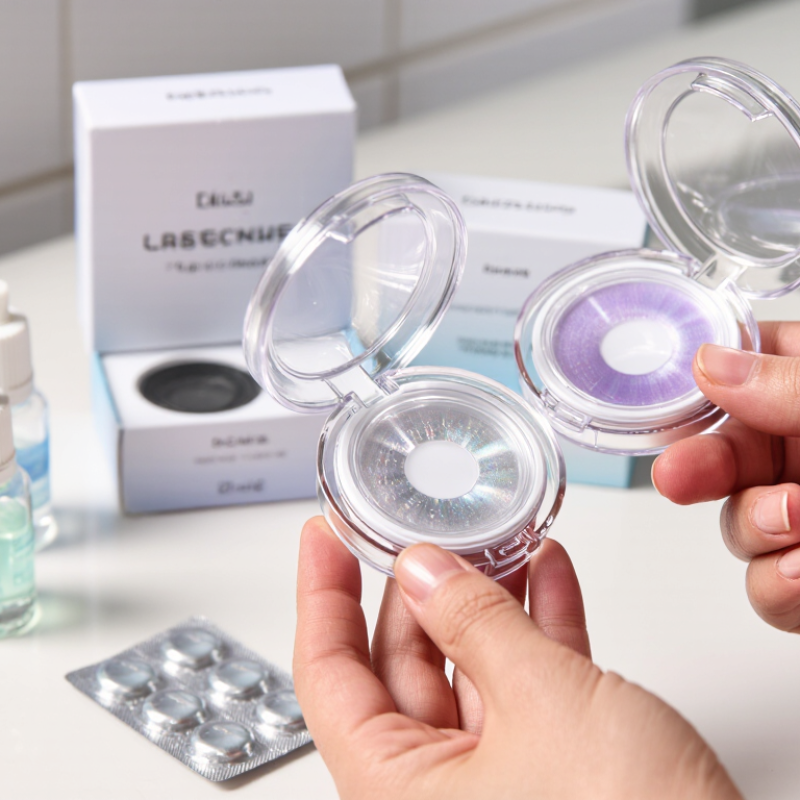
7 Tips for Buying Limited Edition Contact Lenses

Understanding What Makes Limited Edition Contact Lenses Different

Limited edition contact lenses are different because their design, color, or packaging may be available for a short period. Scarcity does not make them safer or better. Many are cosmetic lenses, while others include vision correction. Both types sit directly on the eye. A striking pattern may look attractive online but appear darker in daylight. Product photos rarely show the full experience. Fit matters more than novelty.

Before buying, confirm whether the lenses are approved for sale in your country. Check for clear care instructions and sealed packaging. An optometrist should assess your prescription, corneal shape, and tear-film health. A prescription alone does not guarantee a comfortable fit. Review the base curve, diameter, material, replacement schedule, and expiry date. Keep the original lot information. It may help if irritation develops.

Limited runs can create pressure to purchase quickly, but rushing can hide important questions. Look for readable manufacturer details, customer support, and realistic wear guidance. Never share lenses, even with someone close. Wash and dry your hands before handling them. Use fresh, approved solution. Stop wearing them if pain, redness, discharge, or blurred vision appears. Contact an eye-care professional promptly. Comfort is not guaranteed. Some colors may reduce clarity at night, and this detail deserves more attention in product descriptions.

Checking Prescription, Fit, and Eye Safety Requirements

Limited-edition contact lenses can look appealing, but rarity should never replace careful eye care. Treat them like medical devices, even when they are sold for appearance. Ask an optometrist or ophthalmologist to check your prescription and measure your eyes. A friend’s lenses may not fit your eyes safely. Poor fit can cause redness, blurred vision, or painful dryness.

Check that the prescription matches your current needs. Confirm the lens material, diameter, replacement schedule, and care instructions. Read every label carefully. Do not buy lenses from an unverified seller or accept damaged packaging. That shortcut can create real risks. Your eye-care professional can also assess allergies, dry-eye symptoms, and previous lens problems. Mention any discomfort honestly, even if it seems minor.

Wash and dry your hands before handling lenses. Never share them. Use fresh approved solution, not tap water or saliva. Follow the wearing-time limit, especially during long parties or photo sessions. Remove lenses immediately when pain, light sensitivity, discharge, or sudden blur appears. Seek professional advice if symptoms continue. I once underestimated how quickly dry eyes could worsen during a late event; comfort changed within an hour. That experience made the fitting advice feel less optional. Limited stock may encourage a rushed purchase, but healthy vision deserves more time.

7 Tips for Buying Limited Edition Contact Lenses: Checking Prescription, Fit, and Eye Safety Requirements
Tip What to Check Why It Matters Safe Buying Action Requirement
1 Confirm that you have a current prescription
Check the power, base curve, diameter, lens type, and expiration date.
A contact-lens prescription contains more than vision power. An incorrect specification can cause poor vision, discomfort, or eye injury. Use a prescription issued after a proper eye examination. Do not rely only on a glasses prescription. Required
2 Have the lenses professionally fitted
Ask an eye-care professional to assess movement, centration, comfort, and vision.
Decorative and limited-edition lenses still rest directly on the cornea. A poor fit can restrict oxygen, cause abrasion, or trap debris. Request a fitting evaluation, especially for unusual designs, larger diameters, or lenses with opaque patterns. Required
3 Verify the product and packaging details
Look for sealed packaging, a lot number, expiration date, wearing schedule, and care instructions.
Unsealed, expired, or poorly labeled lenses may be contaminated or unsuitable for the intended wearing period. Do not buy lenses with damaged seals, missing information, or instructions that are not clear in a language you understand. Required
4 Check the replacement and wearing schedule
Determine whether the lenses are daily disposable, planned replacement, or another approved schedule.
Keeping lenses longer than directed increases deposits, contamination, discomfort, and infection risk. Follow the stated replacement schedule even if the lenses look clean. Never sleep in lenses unless specifically approved by a qualified professional. Follow Exactly
5 Use correct cleaning and storage practices
Wash and dry hands before handling; use fresh contact-lens solution and a clean case.
Tap water, saliva, and homemade solutions can introduce microorganisms that may cause serious corneal infections. Never rinse or store lenses in water. Do not top off old solution, and replace the lens case regularly according to professional advice. Required
6 Assess cosmetic features and visibility
Check whether the pattern could reduce vision, especially in dim light, and whether the lens remains centered during blinking.
Colored or printed areas may interfere with the pupil or reduce contrast. A lens that shifts can cause fluctuating vision and irritation. Test comfort and vision before an event or extended use. Remove the lenses if vision becomes blurred or unstable. Recommended
7 Know the warning signs and aftercare plan
Watch for pain, redness, light sensitivity, discharge, swelling, or sudden blurred vision.
These symptoms can indicate a corneal injury or infection, which may worsen quickly without treatment. Remove the lenses immediately and contact an eye-care professional promptly. Do not resume wearing them until advised. Act Promptly
Safety reminder: Limited availability or special-event styling does not make a lens exempt from prescription, fitting, hygiene, or replacement requirements. Never share contact lenses, and do not purchase lenses that are not legally authorized for sale in your location.

Verifying Brand Authenticity and Seller Reliability

Limited-edition contact lenses need more than attractive packaging. Authenticity matters because lenses sit directly on your eyes. Check the exact product name, lot number, expiry date, and sealed condition. Compare every detail with information from a qualified eye-care professional or an official product record. Small label differences can reveal a problem.

Photos are not proof. Ask the seller for clear images of the box, lens containers, and safety information. A reliable seller should answer specific questions without pressure. Look for a verifiable business address, reachable customer service, transparent return terms, and secure payment options. Read recent reviews carefully. Repeated complaints about missing seals, delayed replies, or mismatched products deserve attention. Do not rely only on star ratings.

I once trusted a polished listing too quickly, and that judgment was careless. Now I keep the receipt and confirm the seller’s details before ordering. The lenses should match your prescription and professional fitting needs, even when the design is purely cosmetic. Avoid sellers who suggest sharing lenses or ignoring discomfort. Stop wearing them if your eyes become red, painful, unusually dry, or sensitive to light. Seek professional advice promptly. A low price is not useful if the source remains unclear. Reliable sellers welcome reasonable verification, while questionable ones often create urgency. Take your time.

Comparing Costs, Availability, and Return Policies

Limited edition contact lenses can look like small fashion purchases, but their total cost often surprises buyers. Compare the lens price with fitting fees, prescription verification, shipping, and possible taxes. A low headline price may hide expensive delivery. I have learned to calculate the complete order total before paying.

Availability changes quickly. Check the manufacturing date, expiration date, replacement schedule, and package condition. Ask whether the seller has the exact power or diameter in stock. Some unusual designs are produced in small batches, so restocking may take weeks. Do not accept vague answers about safety documentation or storage. A qualified eye-care professional can confirm whether the lenses suit your eyes and prescription. Comfort matters more than a dramatic appearance.

Read the fine print. Return policies differ widely for opened and unopened boxes. Some sellers accept returns only within seven days, while others exclude customized prescriptions entirely. Confirm who pays return shipping and whether damaged packaging qualifies for an exchange. Keep the receipt, order confirmation, and photos of the sealed package. I once focused too much on getting a rare design and overlooked the return deadline. That was careless. A policy should explain refunds, replacements, and customer support in plain language. If those details are missing, the bargain deserves another look.

Planning Proper Use, Care, and Replacement of the Lenses

7 Tips for Buying Limited Edition Contact Lenses

Planning matters more than the color or packaging. Before buying limited edition contact lenses, schedule an eye examination with a licensed eye-care professional. Decorative lenses still require correct fit, even for occasional wear. The U.S. Food and Drug Administration classifies contact lenses as medical devices and advises users to follow professional fitting instructions. Ask how long each pair may be worn. Do not assume “special occasion” means “risk-free.”

Keep a written plan for use and care. Wash and dry your hands before touching the lenses. Never use tap water, saliva, or homemade solutions. Use fresh disinfecting solution each time, and replace the lens case regularly. The FDA recommends replacing a case about every three months. Never sleep or swim in lenses unless specifically approved by an eye-care professional. The CDC’s 2016 MMWR report found that 99% of surveyed wearers reported at least one hygiene behavior linked with higher infection risk. That figure is uncomfortable, but useful.

Set the replacement date before opening the package. A phone reminder can prevent a forgotten pair from becoming an everyday pair. Follow the manufacturer’s stated replacement schedule, even when the lenses look clean. Discomfort, redness, unusual discharge, or blurred vision requires immediate removal and professional advice. Do not “wait one more day.” I have sometimes treated a short event as an excuse to ignore routine care; that is poor judgment. Limited availability should never change a safe replacement decision. Keep unused lenses sealed, check the expiry date, and store them away from heat and direct sunlight.

FAQS

Why should limited-edition contact lenses be treated like medical devices?

They touch your eyes directly. Appearance does not replace prescription checks, professional fitting, or careful hygiene.

What should an eye-care professional check before purchase?

They should confirm your prescription, eye measurements, allergies, dry-eye symptoms, and previous lens problems. Fit matters greatly.

Can I wear a friend’s contact lenses?

No. Even similar-looking eyes can need different measurements. Shared lenses also create hygiene and infection concerns.

What details should I verify on the package?

Check the lens material, diameter, prescription, lot number, expiry date, replacement schedule, and sealed condition.

How can I assess whether a seller seems reliable?

Request clear package photographs and safety information. Check the business address, customer service, return terms, and recent complaints.

What symptoms mean I should remove the lenses immediately?

Remove them after pain, redness, discharge, light sensitivity, sudden blur, or unusual dryness appears. Seek professional advice if symptoms continue.

What should the full purchase cost include?

Add fitting fees, prescription checks, shipping, taxes, and possible replacement costs. A cheap listing may become expensive.

What should I check in the return policy?

Confirm deadlines, opened-box rules, customized prescription exclusions, return shipping, and damaged-package exchanges. Keep receipts and package photos.

How should I care for the lenses during long events?

Wash and dry your hands before handling them. Use fresh approved solution, never tap water or saliva. Follow wearing-time limits.

What mistake should buyers reflect on before ordering?

I once focused too much on rarity and ignored comfort and return details. That was careless. Healthy vision deserves more time.

Conclusion

Buying Limited Edition Contact Lenses requires more than choosing an eye-catching design. These lenses may differ in color effects, materials, availability, and production details, so shoppers should first confirm that the style suits their needs. A valid prescription, proper fit, and professional eye-care guidance are essential, even when lenses are purchased for cosmetic purposes. Buyers should also check packaging, product information, and seller reputation to help confirm authenticity and reduce the risk of unsuitable or poorly handled products.

Cost and availability can vary because limited releases may be produced in smaller quantities. Before ordering, compare the total price, shipping terms, return policy, and expected delivery time. After purchase, follow the recommended wearing schedule, cleaning instructions, storage requirements, and replacement timeline. Never share lenses or continue using them if they become damaged or cause discomfort, redness, blurred vision, or unusual sensitivity. Careful planning helps make the experience safer, more practical, and enjoyable.

Henry

Henry

Henry is a dedicated marketing professional with a profound expertise in the company's offerings. With years of experience in the industry, he possesses an impressive understanding of the market dynamics and consumer behaviors that drive success. Henry is committed to sharing his insights through......