What is UV Protection Contact Lenses and Why Do You Need Them?

Time:2026-07-19 Author:Oliver
0%

UV Protection Contact Lenses have become essential in modern eye care. These specialized lenses offer more than just vision correction. They shield your eyes from harmful ultraviolet rays. Many people overlook the importance of UV protection. The sun emits UV radiation that can damage the eyes over time. Overexposure may lead to serious conditions like cataracts or macular degeneration.

Most regular contact lenses do not provide adequate UV protection. This leaves your eyes vulnerable while you enjoy outdoor activities. Incorporating UV Protection Contact Lenses into your routine can significantly lower health risks. They act as a barrier against harmful rays. However, they are not a complete substitute for sunglasses. It's important to wear sunglasses that offer 100% UV protection for optimal safety.

Choosing the right lenses requires careful consideration. Consult with an eye care professional for recommendations tailored to your eyes. Remember, not all UV protection contact lenses are created equal. Research and educate yourself about different options available. Taking precautionary measures today can ensure better eye health in the future.
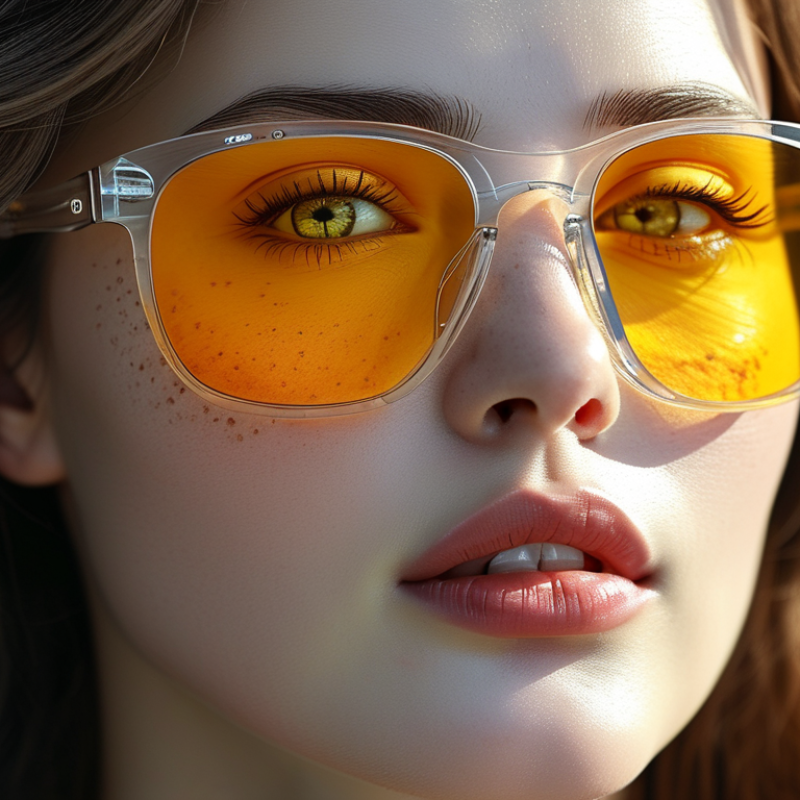
What is UV Protection Contact Lenses and Why Do You Need Them?

What Are UV Protection Contact Lenses and Their Purpose?

UV protection contact lenses are designed to shield your eyes from harmful ultraviolet rays. The sun emits both UVA and UVB rays. Prolonged exposure can lead to various eye issues. These lenses offer an extra layer of defense, complementing standard sunglasses.

The importance of UV protection cannot be overstated. Many people overlook the fact that eye health is just as crucial as skin health. Outdoor activities increase UV exposure. Whether you are hiking, biking, or enjoying a beach day, these lenses provide peace of mind. They filter harmful rays effectively, helping to reduce the risk of cataracts and other conditions.

Not everyone is aware that UV protection isn’t just for sunny days. Even on cloudy days, harmful rays can penetrate the atmosphere. This is a gap in knowledge that needs addressing. Many assume glasses are sufficient protection. In reality, UV-blocking contact lenses enhance safety. Eye care should be a priority, especially as we age.

Understanding UV Radiation and Its Effects on Eye Health

UV radiation can harm your eyes just as it can damage your skin. The sun emits two types of UV rays: UVA and UVB. Both types can cause serious eye problems. Prolonged exposure can lead to cataracts and macular degeneration. These conditions can significantly impair vision over time.

Understanding how UV radiation affects your eye health is crucial. UV rays may lead to photokeratitis, a painful eye condition similar to sunburn. Symptoms include redness, tearing, and sensitivity to light. You might not notice the damage until it's too late. Regular check-ups are essential. An eye care professional can assess your risk.

Wearing UV protection contact lenses is a proactive step. Not all lenses offer UV protection. Research shows that many people overlook this aspect, focusing solely on prescription needs. Ensure your lenses block harmful rays. They can serve as an additional layer of defense. Ultimately, being informed and taking preventive measures can safeguard your vision.

Key Benefits of Wearing UV Protection Contact Lenses

Ultraviolet (UV) protection contact lenses shield your eyes from harmful UV rays. Long-term exposure can lead to severe issues, such as cataracts and macular degeneration. According to the World Health Organization, UV exposure increases the risk of eye diseases. In fact, up to 20% of cataract cases are linked to UV exposure.

Wearing UV protection contact lenses offers significant benefits. They can reduce the risk of eye surface problems caused by harmful rays. These lenses often block 99% of UVA and UVB radiation. This level of protection is comparable to what you get from quality sunglasses. Additionally, they provide a clear vision without the bulk of sunglasses, which some people find inconvenient.

Many experts recommend these lenses, especially for outdoor enthusiasts. Yet, some might think regular contact lenses are sufficient. This misconception can lead to inadequate eye protection. Not all contact lenses provide UV protection. Thus, selecting the right lenses is crucial for maintaining your eye health. Regular eye exams and consultations with eye care professionals can help ensure you make informed choices.

Comparison of UV Protection in Contact Lenses vs. Sunglasses

When it comes to eye protection, understanding the differences between UV protection in contact lenses and sunglasses is essential. A 2021 report from the American Optometric Association reveals that up to 60% of UV rays can still reach the eyes even when wearing sunglasses. Contact lenses with UV protection do offer some additional shield. However, they should not be the sole defense against harmful UV radiation.

Sunglasses typically provide full coverage over the eyes and surrounding areas, blocking up to 99% of UV rays. They can also reduce glare and improve visual comfort. On the other hand, contact lenses can only reduce UV exposure to the parts of the eye they cover. This means users must remain cautious, especially during bright days or in reflective environments like beaches or snowy areas. The danger of over-reliance on contact lenses is significant; many believe they provide sufficient protection. Studies show that this could lead to long-term damage from accumulated UV exposure.

While contact lenses add a layer of convenience, they should complement regular sunglass usage. Experts recommend that individuals use both for maximum protection. Some eye care professionals emphasize the importance of combining protection methods, as neither lenses nor sunglasses alone can ensure complete safety from UV damage. Each offers unique benefits, but considerations must be made to utilize both effectively.

Comparison of UV Protection in Contact Lenses vs. Sunglasses

Statistics on UV Exposure and Eye Damage Risks Worldwide

UV protection contact lenses play a crucial role in safeguarding your eyes from harmful ultraviolet rays. According to the World Health Organization, excessive UV exposure can lead to significant eye conditions, including cataracts and macular degeneration. Statistics reveal that millions suffer from UV-related eye damage globally each year. This damage is often silent, developing slowly over time. Many people overlook the need for proactive eye protection.

Tips: Always wear UV-blocking sunglasses outdoors, even on cloudy days. Seek shade during peak sunlight hours. Regular eye check-ups can help detect early signs of damage.

Though contact lenses provide convenience, not all offer adequate UV protection. It's essential to select lenses designed specifically for this purpose. Many people are unaware that UV rays can penetrate the eyes, leading to long-term concerns. In areas with intense sun exposure, the risk of UV damage increases significantly. Evaluating your surroundings and lifestyle can improve your eye health.

Tips: Consider wearing a wide-brimmed hat for extra protection. Learn about your environment and its UV index. Be cautious, as lifestyle habits can contribute to cumulative eye damage.

What is UV Protection Contact Lenses and Why Do You Need Them? - Statistics on UV Exposure and Eye Damage Risks Worldwide

Region Average Daily UV Exposure (hours) Percentage of Population at Risk Common Eye Conditions Linked to UV Exposure
North America 3.5 40% Cataracts, Macular Degeneration
Europe 3 35% Pterygium, Skin Cancer around Eyes
Australia 7 50% Cataracts, Photokeratitis
Asia 4 30% Macular Degeneration, Keratitis
Africa 6 55% Cataracts, Skin Cancer around Eyes

FAQS

: What types of UV rays can harm my eyes?

: UVA and UVB rays from the sun can cause serious eye problems.

What eye conditions can result from UV exposure?

Prolonged exposure may lead to cataracts and macular degeneration.

What is photokeratitis?

It's a painful eye condition, similar to sunburn, caused by UV rays.

How can I protect my eyes from UV rays?

Wearing UV protection contact lenses can shield your eyes from harmful rays.

Do all contact lenses provide UV protection?

No, many regular lenses do not block UV rays effectively.

What are the benefits of UV protection contact lenses?

They block 99% of UVA and UVB rays and enhance clear vision.

Why is it important to have regular eye check-ups?

Regular check-ups help assess your eye risk and detect any damage early.

Can I rely solely on sunglasses for eye protection?

Sunglasses may not be enough; UV protection lenses provide additional defense.

What common mistake do people make regarding eye protection?

Some assume regular lenses are sufficient, neglecting necessary UV protection.

How often should I consult an eye care professional?

Regular consultations ensure you are making informed choices about your eye health.

Conclusion

UV Protection Contact Lenses are specially designed to shield the eyes from harmful ultraviolet radiation, providing an essential layer of defense for eye health. These lenses help mitigate the risks associated with UV exposure, which can lead to various eye issues, including cataracts and retinal damage. Understanding the nature of UV radiation and its potential effects emphasizes the importance of incorporating UV protection into daily eyewear choices.

The key benefits of wearing UV Protection Contact Lenses include enhanced comfort and convenience without the need for additional eyewear. While sunglasses are traditionally seen as a primary protective measure, contact lenses equipped with UV protection can offer equivalent, if not superior, safety in certain situations. Statistics reveal alarming trends regarding UV exposure and the associated risks of eye damage, underscoring the vital role UV Protection Contact Lenses can play in safeguarding vision throughout life.

Oliver

Oliver

Oliver is a seasoned marketing professional with a wealth of expertise in driving brand awareness and engagement. With a deep understanding of our company's product offerings, he consistently delivers high-quality content that enriches our professional blog. His insights not only shed light on......