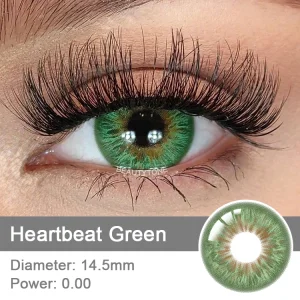
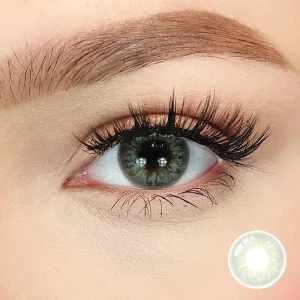
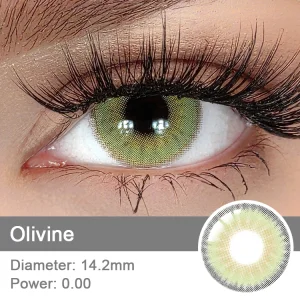
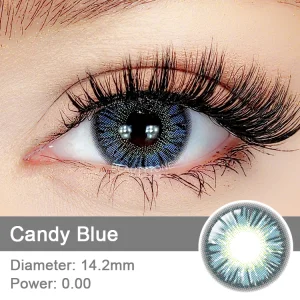
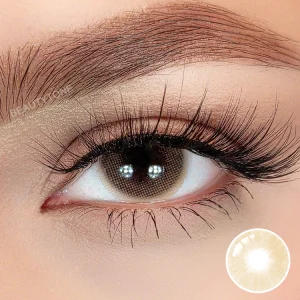
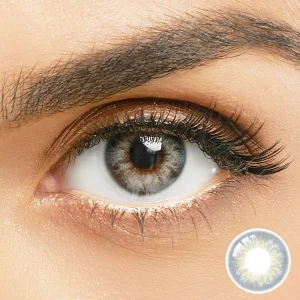
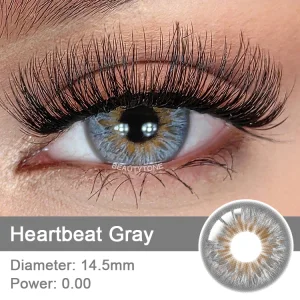
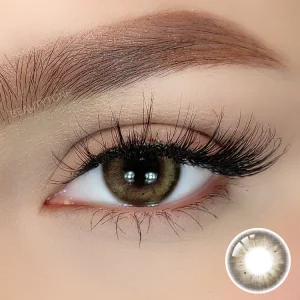
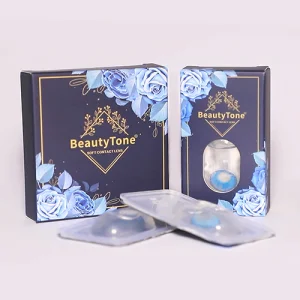
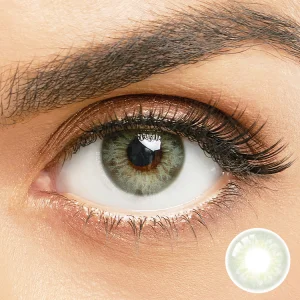
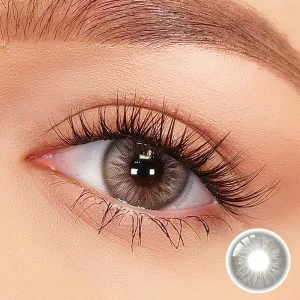
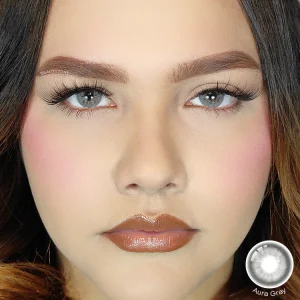
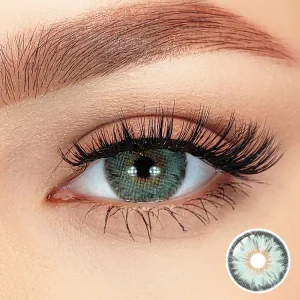
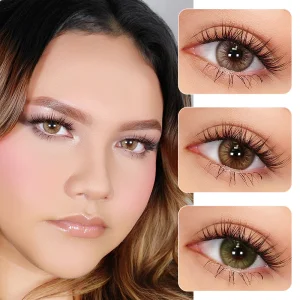
Premium medical-grade cosmetic contacts built on the BeautyTone design methodology.
Hunan Vibe Lenses Technology Co., Ltd. is a certified OEM/ODM manufacturer of premium contact lenses and cosmetic colored lenses. Based in Dongguan, China, we combine automated, medical-grade cast-molding production (Class 100,000 cleanrooms) with trend-forward design capabilities. As a trusted private-label partner, we deliver CE and ISO-compliant manufacturing solutions, reliable bulk wholesale, and end-to-end supply chain support for global eyewear and beauty brands.
This industry whitepaper explores the technological paradigms of BeautyTone Lexicon, a design system defining iris structural depth, micro-pigmentation science, and modern material safety. In global commercial spaces, cosmetic contacts have transitioned from cosmetic options to safety-first consumer goods. Aligning production systems with Class 100,000 cleanroom environments and automated cast molding ensures compliance, comfort, and optical excellence.
The BeautyTone Lexicon represents a systematic methodology mapping the human iris's complex structural topography. In medical aesthetics, reproducing natural iris patterns requires precise digital dot-matrix printing, depth gradient profiling, and pigment layer suspension.
Historically, cosmetic lenses suffered from a artificial "flat" look. BeautyTone technology addresses this by applying a multi-tier spatial arrangement. By segmenting the lens design into three distinct zones—the limbal ring, the main iris field, and the inner pupillary starburst—manufacturers replicate real ocular depth. This micro-layering allows incoming light to refract naturally off the contact lens, avoiding artificial glare and enhancing realism.
At the center of Vibe Lenses' R&D is the balance between oxygen transmissibility (Dk/t), water retention, and structural durability. Modern lenses use Hydrogel and Silicone Hydrogel co-polymers. High water content, while comfortable on initial insertion, can draw moisture from the tear film over long wear cycles. Vibe Lenses uses optimized HEMA/NVP matrices that retain bound water without dehydrating the cornea.
Safety is achieved using "Sandwich Technology" (also known as encapsulating double-layer printing). This prevents the pigment from making contact with either the cornea or the palpebral conjunctiva. The raw pigment is locked between two layers of clear polymer, securing smooth surface profiles and protecting eye health.
Our fully automated cast-molding systems ensure high replication precision and smooth lens edges, reducing corneal friction.
Non-ionic polymer surfaces repel protein buildup, ensuring clear vision and all-day comfort for annual and daily cycles.
Engineered thin center thicknesses coupled with hydrophilic compounds facilitate oxygen diffusion to prevent corneal hypoxia.
B2B buyers, including retail chains, e-commerce brands, and optometry clinics, evaluate supply chain partners based on certification, manufacturing consistency, and supply chain speed. Navigating regulatory systems like the European Union's MDR, United States FDA, and other national health ministries requires robust traceability systems.
Additionally, private label (OEM) flexibility is essential. A partner must offer packaging customization, diverse power configurations (ranging from 0.00 to -10.00 diopters), and customizable base curves (BC) and diameters (DIA). This flexibility enables brands to serve different target regions, adapting to varying anatomical eye shapes and consumer color preferences.
Inside our Dongguan production facility, featuring Class 100,000 cleanrooms and advanced automation systems.
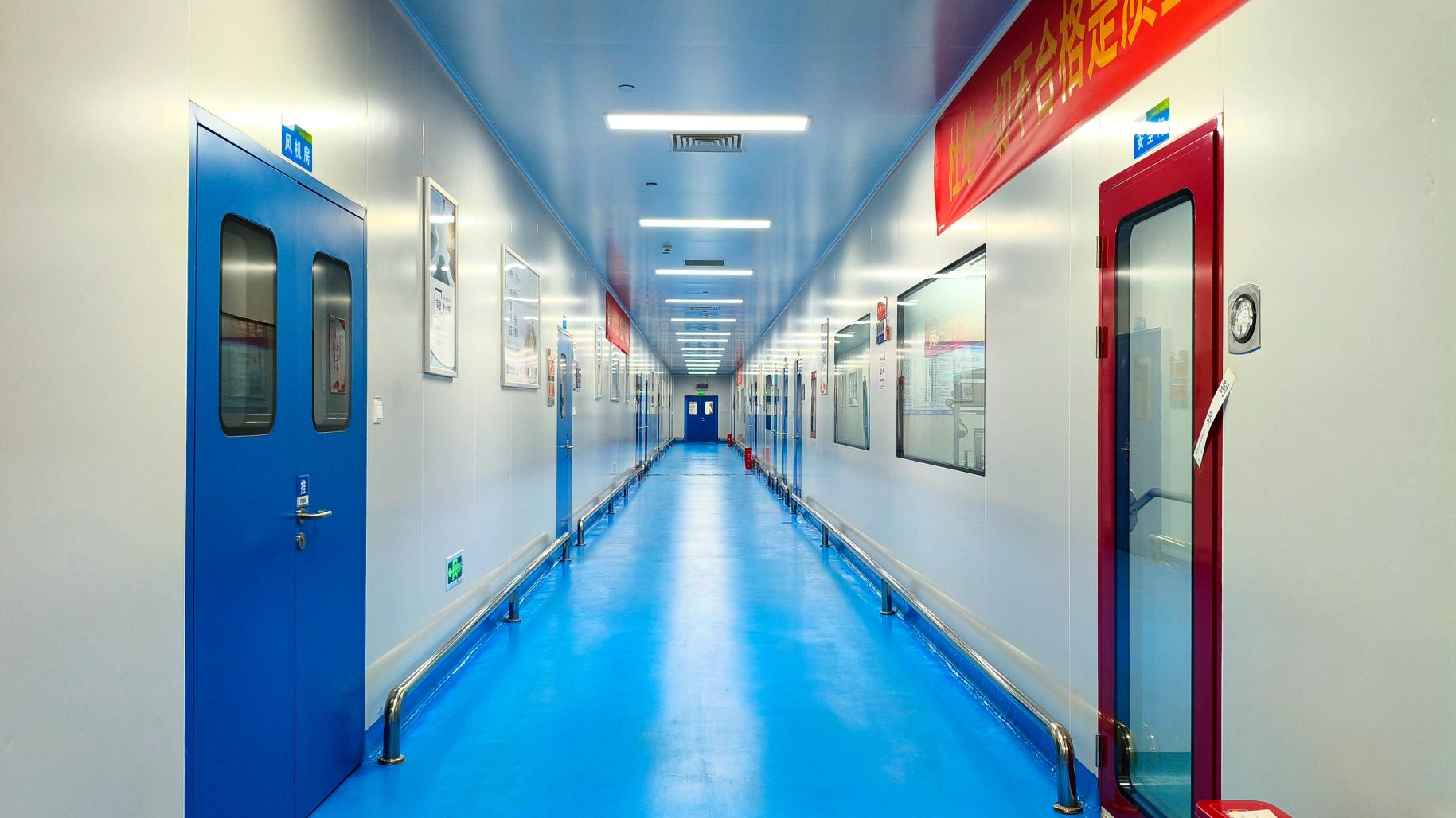
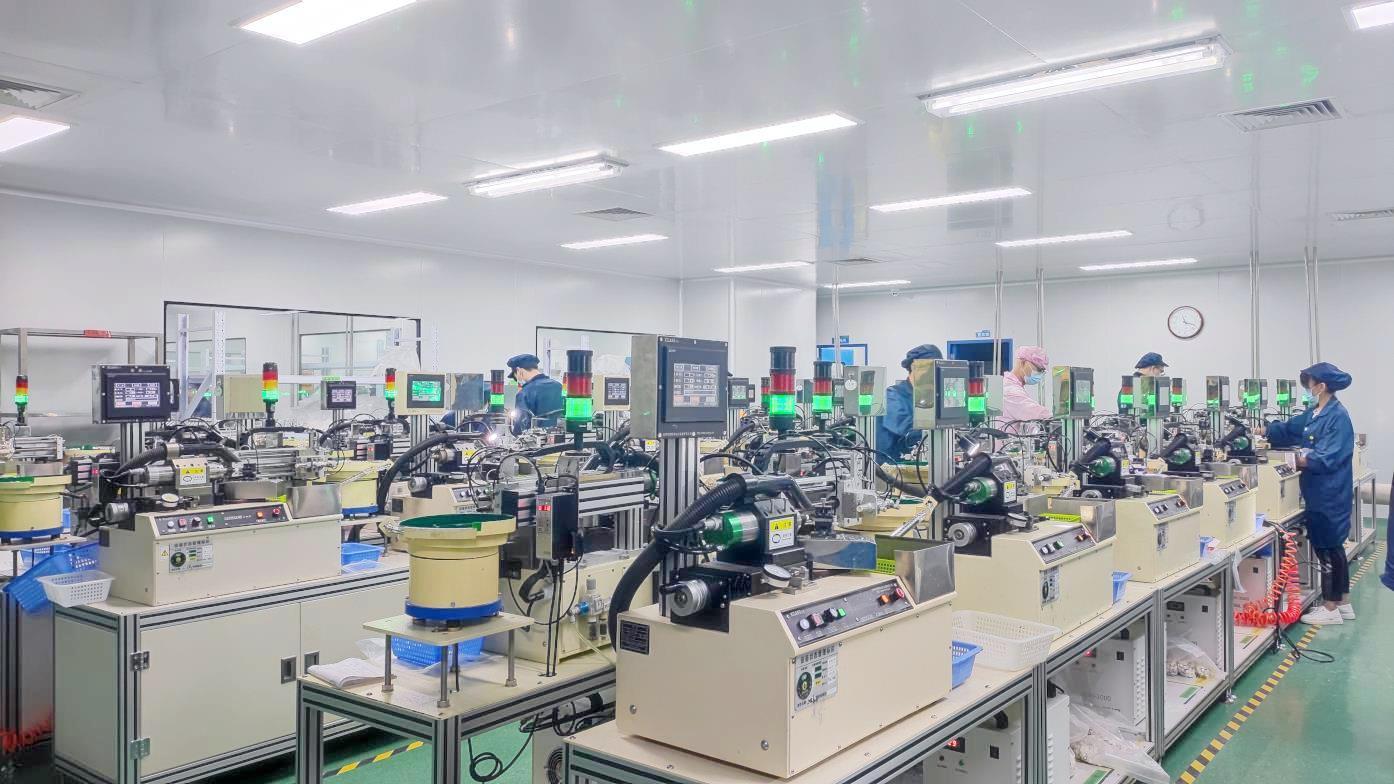
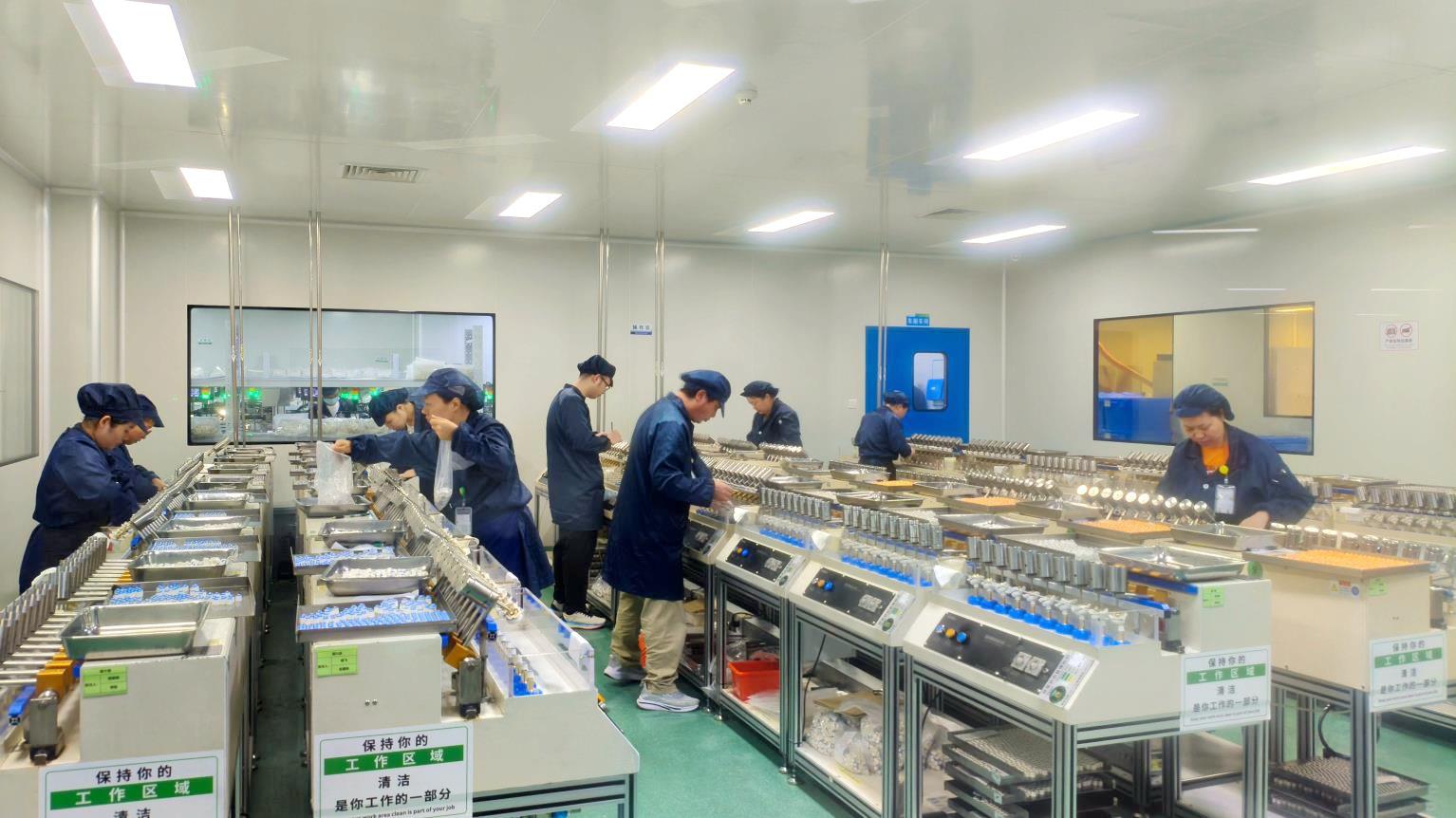
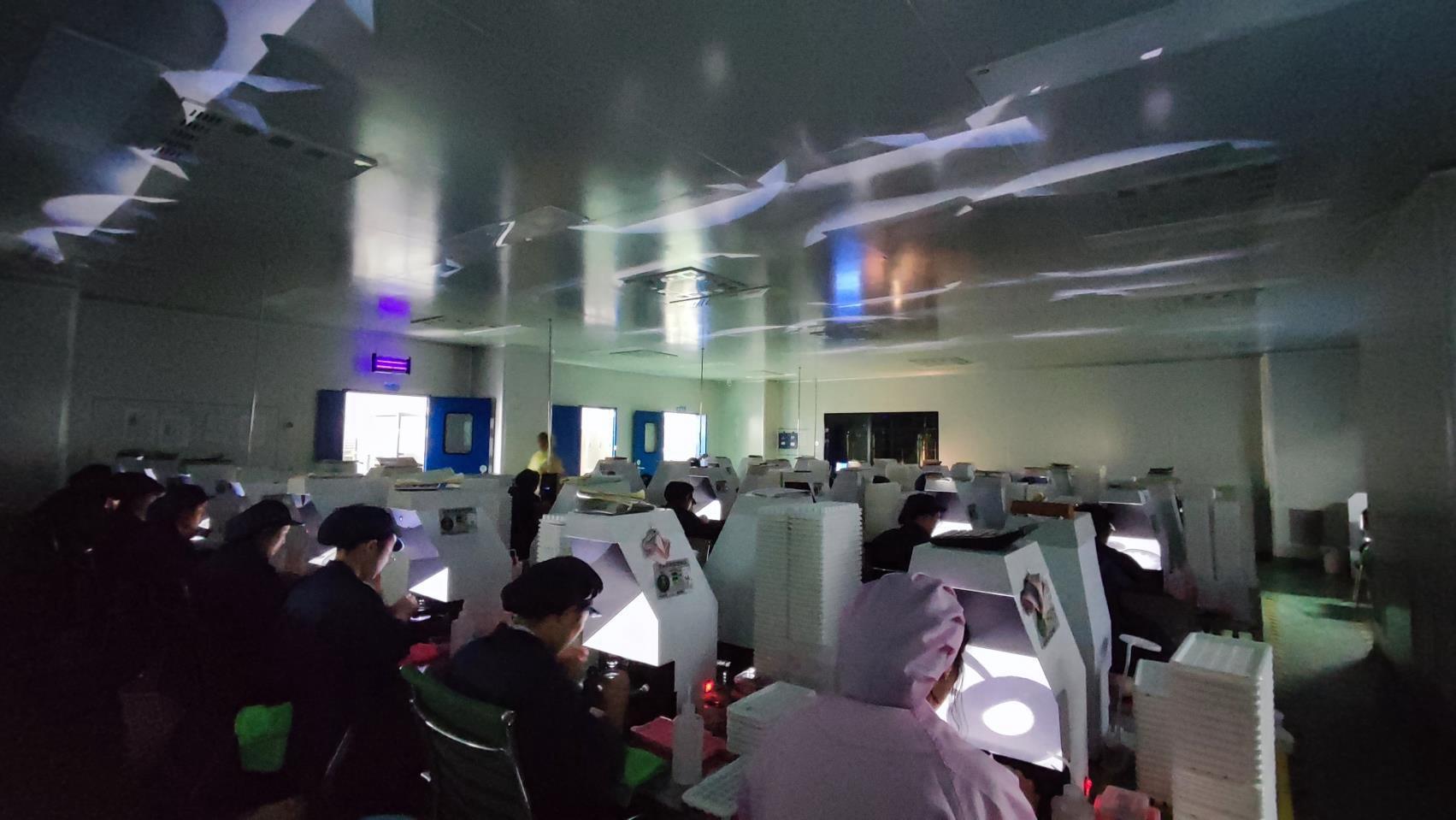
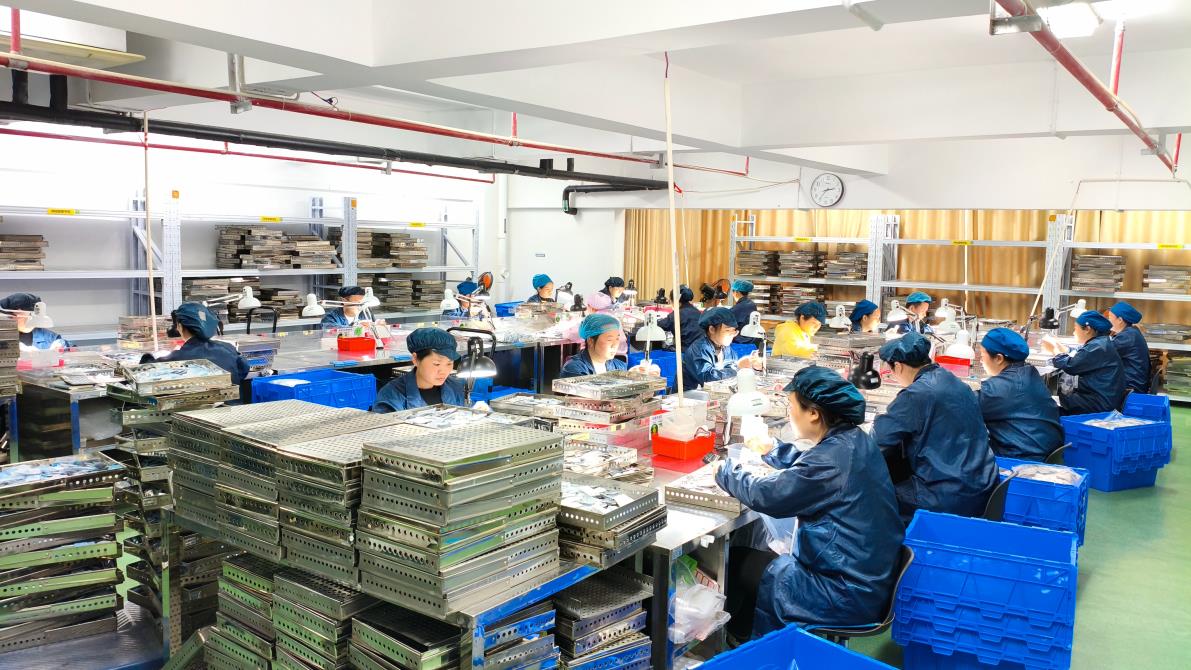
The manufacturing infrastructure of Hunan Vibe Lenses Technology Co., Ltd. in Dongguan uses automated production lines to reduce human error and improve consistency. Through digital integration, Vibe Lenses maintains control over raw materials, polymerization curing cycles, optical quality inspection, and packaging.
This automated framework enables high efficiency. Large-scale manufacturing lowers production costs, allowing global brands to secure favorable wholesale rates. Combined with Dongguan's logistics networks, the company offers reliable lead times, minimizing inventory risks for overseas distributors.
Consumer preferences for cosmetic lenses vary by region. Successful global brands customize their offerings to match these local aesthetic expectations:
Technical and logistical insights for global distributors and brand owners.
Further selections from our catalog, available for private label OEM/ODM and bulk wholesale orders.
 Vibe Lenses