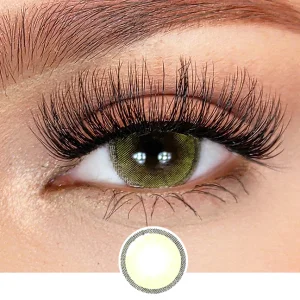
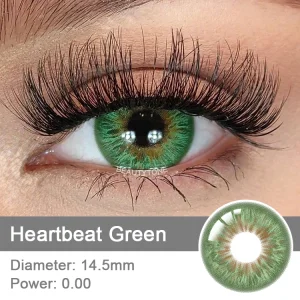
Explore our premium selection of medical-grade, trend-driven BeautyTone cosmetic contact lenses designed for comfort, high oxygen permeability, and striking aesthetics.
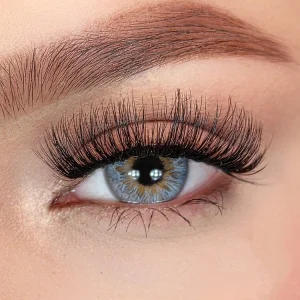
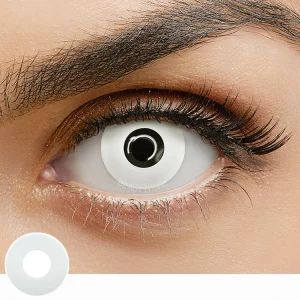
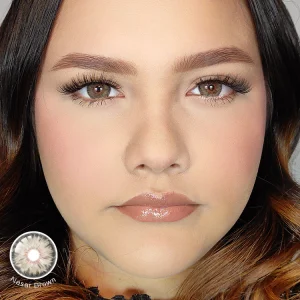
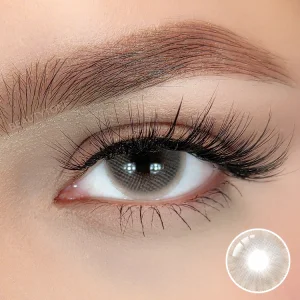
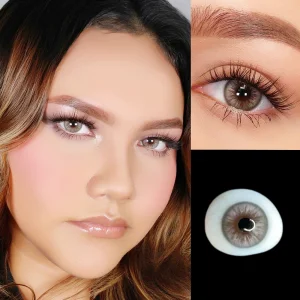
Analyzing how BeautyTone technology integrates bio-compatible formulations and micro-pigmentation protocols to deliver regulatory-approved comfort at global scale.
The global contact lens industry is undergoing a monumental shift towards high-aesthetic, biocompatible ocular devices. BeautyTone technology represents the intersection of precision polymer chemistry and multi-tonal aesthetic engineering. By addressing the critical balance between oxygen transmissibility (Dk/t) and visual saturation, modern manufacturing plants are redefining safety standards for colored cosmetic lenses.
In classical contact lens manufacturing, pigment application often resulted in elevated lens thickness and restricted oxygen transmission, inducing corneal hypoxia. To resolve this, major factories have transitioned to the Double Sandwich Comfort Technology. This methodology encapsulates the pigment layer between two layers of clear HEMA-NVP hydrogel or silicone hydrogel. The colorant never contacts the cornea or the palpebral conjunctiva, maintaining physiological health while preventing mechanical friction.
High-water content matrix ensuring consistent hydration, stabilizing lens movement, and mitigating dry eye symptoms over prolonged wear cycles.
Integrated Class II UV blocking monomer filtering out harmful UVA and UVB radiation, providing continuous photoprotection to the inner iris structure.
Pigment isolation within the lens core prevents color leaching, protects the ocular surface, and ensures pristine optical clarity across daily activities.
Cosmetic colored contact lenses are no longer restricted to specialty costume shops or theatrical events. They have evolved into mainstream beauty and self-expression accessories, commanding a significant market share in Europe, Asia-Pacific, and the Americas. Global direct-to-consumer (DTC) eyewear brands require factories that possess extensive manufacturing capacity paired with strict compliance frameworks.
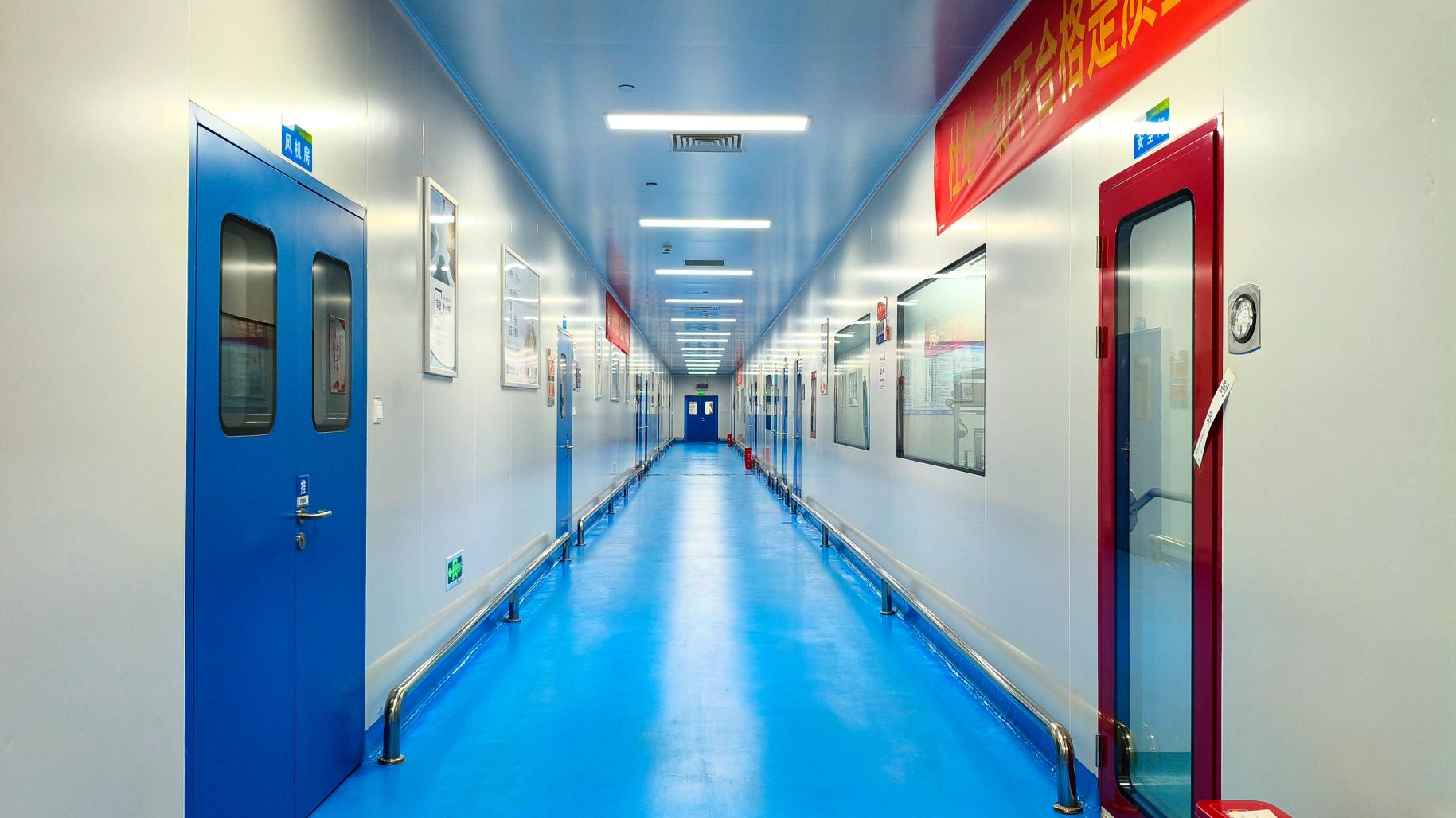
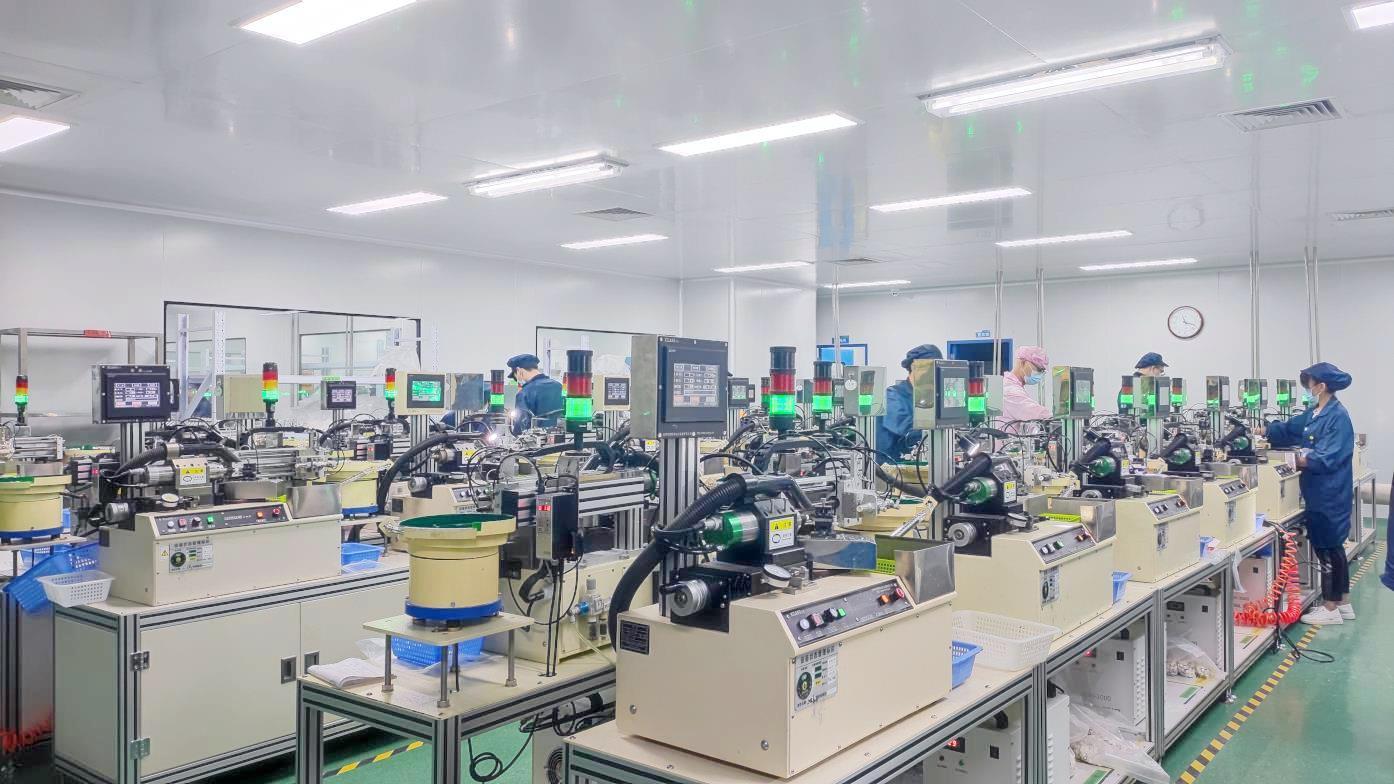
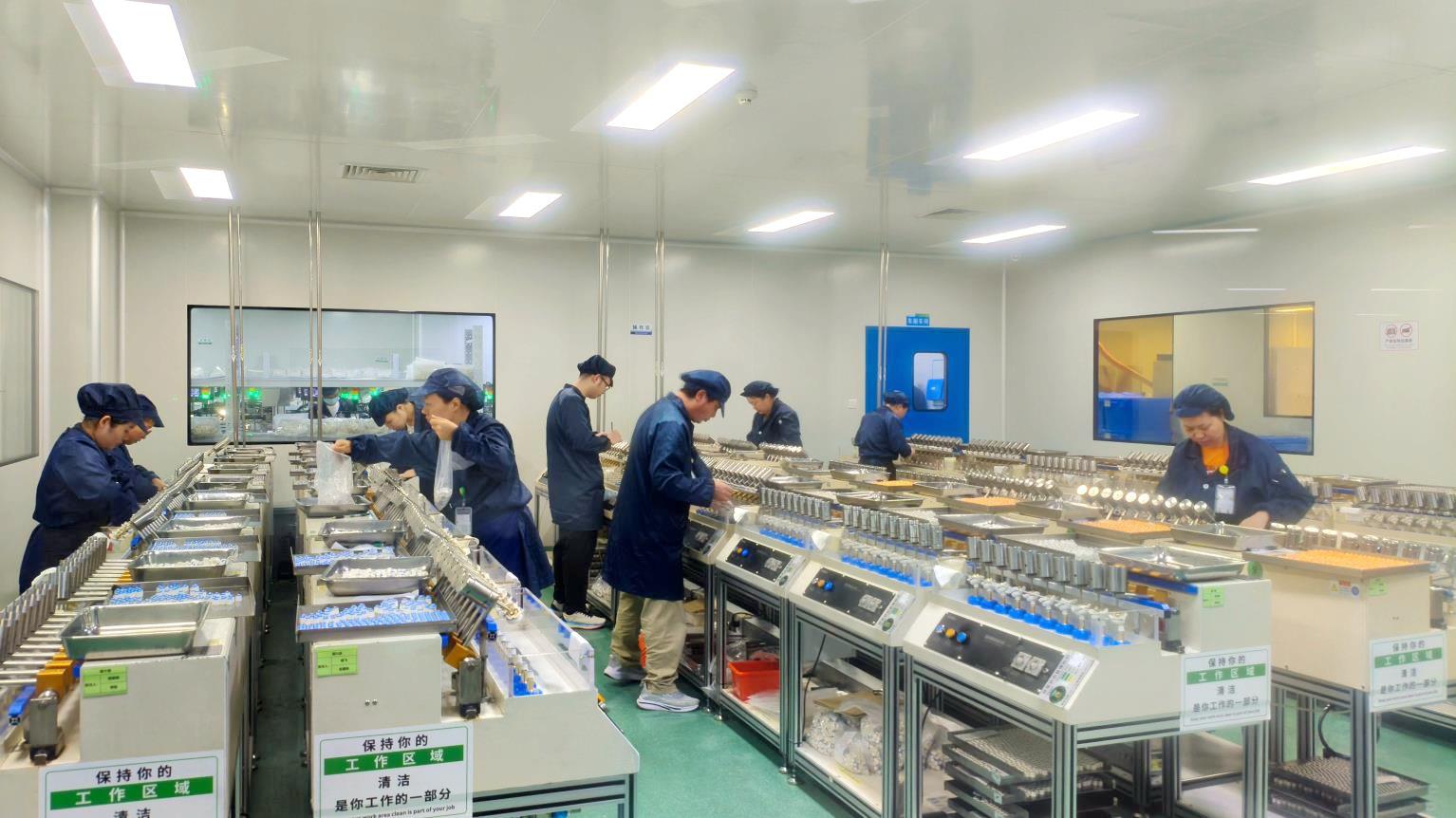
The manufacturing cluster located in Dongguan, under the management of industry leaders such as Hunan Vibe Lenses Technology Co., Ltd., serves as a primary supply chain hub. Utilizing Class 100,000 cleanrooms and highly automated cast molding technologies, these facilities maintain production consistency. This ensures that every batch meets the strict mechanical tolerance levels required by worldwide regulatory bodies.
The capability to scale from low-volume custom private labels to million-unit monthly outputs dictates market leadership. Modern exporters differentiate themselves by providing structured, end-to-end supply chain integration. This spans from primary chemical compounding and custom package printing to local registration dossiers.
Consolidated infrastructure in Dongguan delivers medical-grade precision across mass production channels, supporting top-tier global distribution networks.
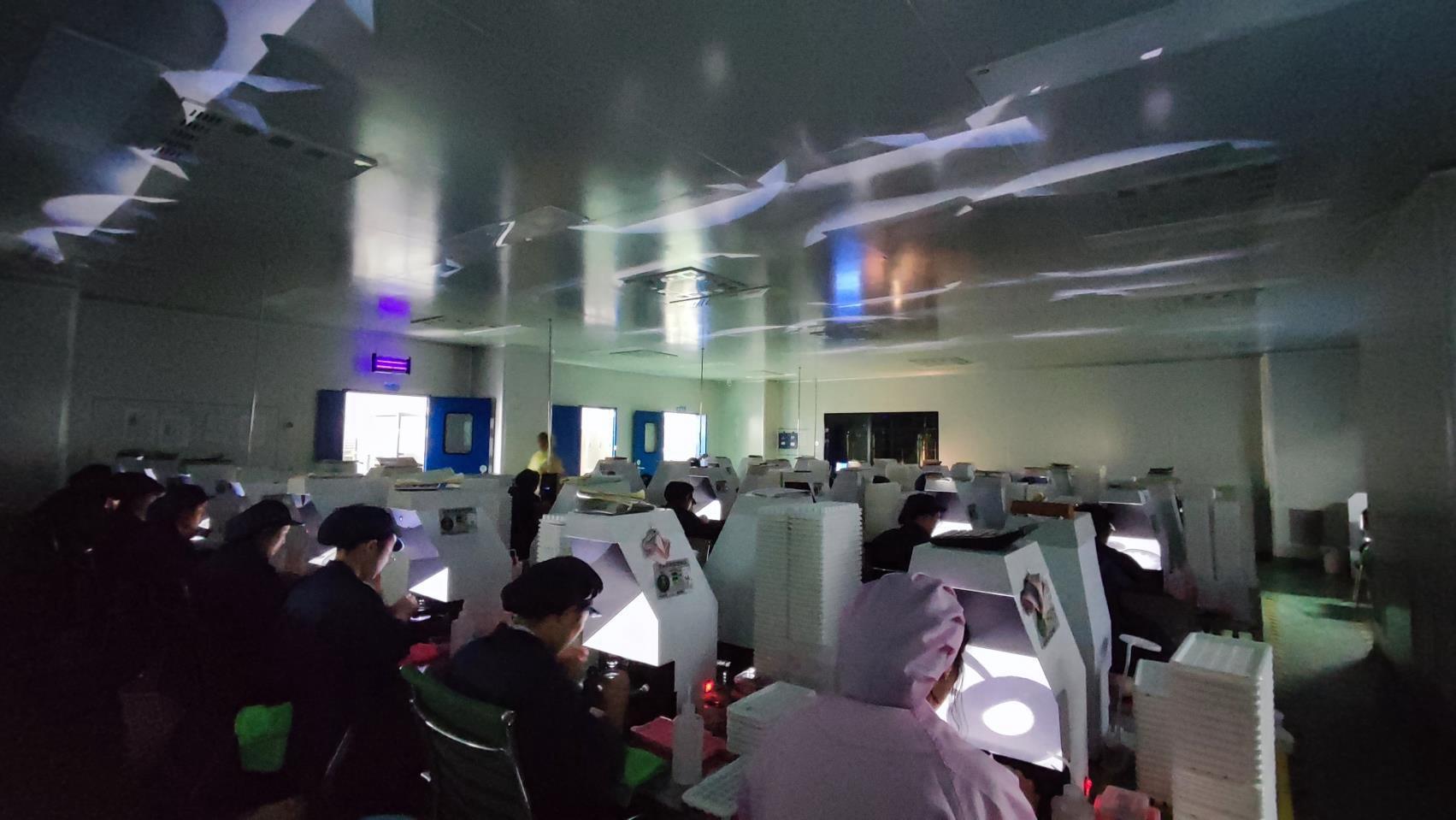
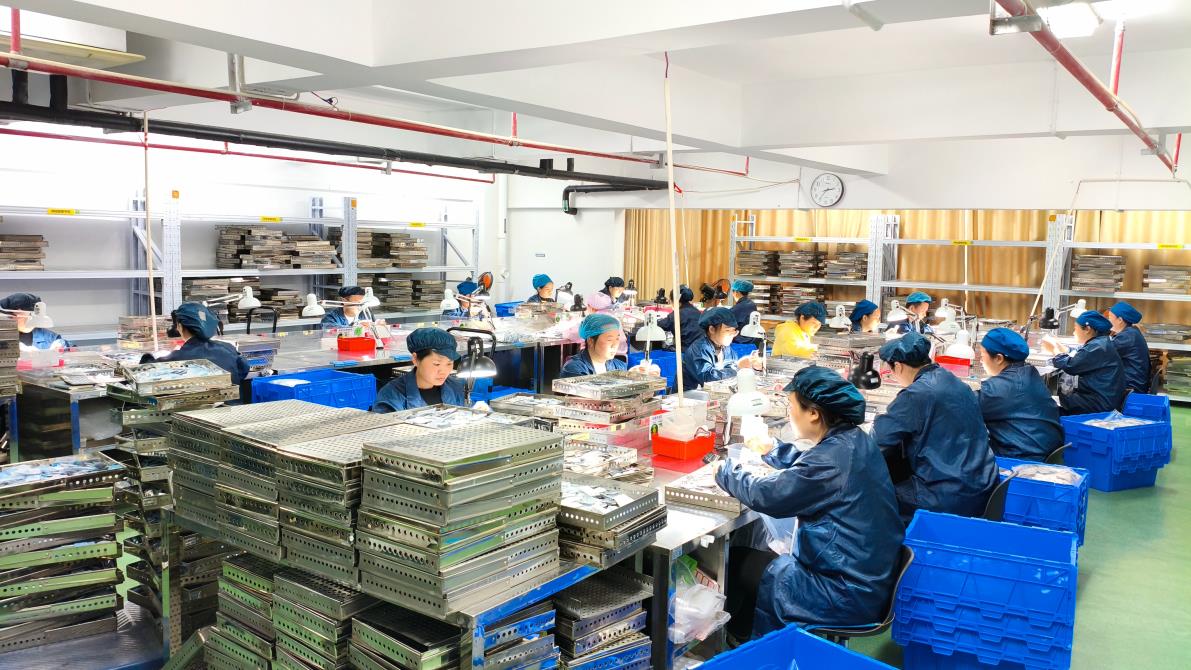
Visual walk-through of Hunan Vibe Lenses Technology Co., Ltd.'s automated optical assembly lines, sterile testing domains, and high-capacity processing nodes.
Understanding consumer expectations across different demographic markets to optimize product catalogs and visual configurations.
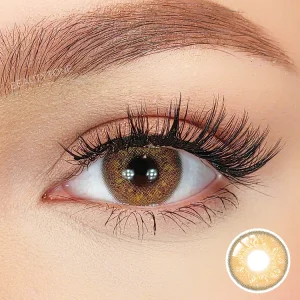
High demand for daily disposable (daily wear) models with realistic natural tones, such as honey, hazel, and soft grays. Compliance validation (510k processes) and high oxygen transmissibility are key product criteria.
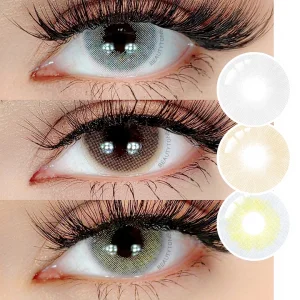
Focused on diverse, trend-driven designs. APAC markets prioritize circle lenses that enlarge the iris, alongside subtle natural gradients. Europe shows rising demand for CE-compliant yearly and monthly lenses.
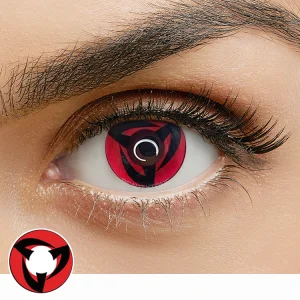
Global demands for cosplay, Halloween, and theatrical productions require high-opacity pigments. Popular styles include anime sharingan configurations, zombie white, and solid blackout profiles.
Adapting colored lenses to regional physiological parameters is critical for wearer comfort. For instance, varying iris structures require adjusted pupil aperture designs. A pupil zone that is too narrow can cause visual interference (tunnel vision), whereas a pupil zone that is too wide can expose the natural iris color underneath, disrupting the cosmetic effect.
Exporters like Hunan Vibe Lenses Technology Co., Ltd. mitigate these challenges by offering multiple base curves (ranging from 8.5mm to 8.7mm) and custom-sized pupil zones (Siri style, small pupil, normal pupil) to ensure optimal fit and natural integration across global target groups.
Contact lenses are classified as Class II or Class III medical devices depending on the jurisdiction. Importation and sale of these items require rigorous documentation. Exporters must provide full compliance profiles to ensure clearance through global customs and regulatory agencies.
Under the ISO 13485 Medical Devices Quality Management System, every production step is tracked. This begins with checking the purity of monomer components and continues to the final package sealing. Raw material certificates, biological compatibility test reports (validating zero cytotoxicity or eye irritation), and physical properties testing logs (e.g., tensile strength, hydration levels, light transmission rates) are documented for every batch.
Every lens batch undergoes dynamic processing to ensure compliance and end-user safety:
Monomers are injected into precision molds in Class 100,000 cleanroom facilities.
Pigments are locked within the HEMA-NVP layers using double-sandwich sealing.
Removing residuals and hydrating the polymer structure to achieve target water content.
High-resolution imaging screens out structural micro-defects or off-center prints.
Understanding future trends in contact lens manufacturing, including sustainable materials and advanced ocular tech integration.
The cosmetic lens industry is moving toward sustainable raw materials and smart visual integrations. Leading research divisions are prototyping the next generation of ocular materials to reduce environmental impact and improve user comfort.
One primary research path is the development of biocompatible silicone hydrogel polymers with high oxygen transmissibility (Dk/t exceeding 100) and low modulus. This combination matches the natural softness of the human cornea, reducing lid sensation and dry-eye symptoms during long wearing periods. In terms of aesthetics, developers are testing smart photochromic colored layers. These pigments adjust their tint depth based on surrounding UV light levels, functioning as dynamic, glare-reducing colored lenses.
In manufacturing operations, factories are implementing green initiatives. Exporters are shifting to recyclable packaging materials, reducing plastic volume in blister cards, and adopting energy-efficient thermal sterilization tunnels. These advancements help global brands align their product sourcing with modern environmental, social, and governance (ESG) expectations.
Technical and regulatory answers to key questions for global brand managers, supply chain directors, and wholesale distributors.
Our manufacturing utilizes Double Sandwich Comfort Technology. This process encapsulates the color layer between two layers of HEMA-NVP hydrogel polymer. Because the pigments are locked inside the lens material, they do not contact the cornea or palpebral conjunctiva, preventing color leaching and protecting the eye.
A Class 100,000 (ISO Class 8) cleanroom limits the concentration of airborne particles to protect the manufacturing process. By maintaining control over dust, microbes, and temperature, the factory keeps contamination rates low. This reduces batch-to-batch variation, minimizes defects, and ensures high product consistency for bulk imports.
Lead times for OEM/ODM projects depend on whether custom packaging is required. Generally, custom packaging design, printing plate creation, and regulatory approval take 25 to 45 business days. Once the artwork is approved, production runs are typically completed within 30 days, depending on order volume and the factory schedule.
We supply a full package of regulatory documentation to assist with customs and local registrations. This includes CE certificates, ISO 13485 quality credentials, free sale certificates, sterilization validation reports, and raw material biocompatibility analysis data sheet (SDS) details.
Injection Cast Molding is highly automated and suitable for high-volume production. It offers lower per-unit costs and high consistency across batches. In contrast, Lathe Cutting involves machining polymer buttons to shape. While this method allows for complex custom prescriptions, it is slower and suited for specialized, low-volume orders rather than bulk retail products.
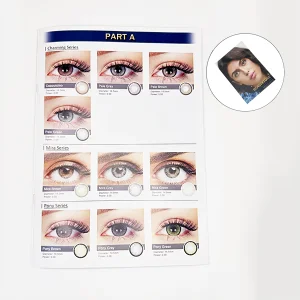
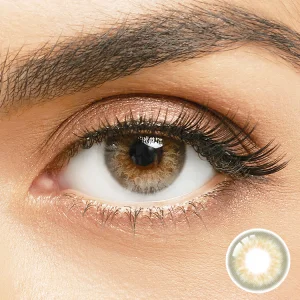
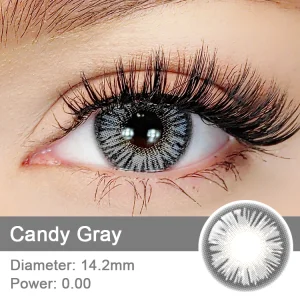
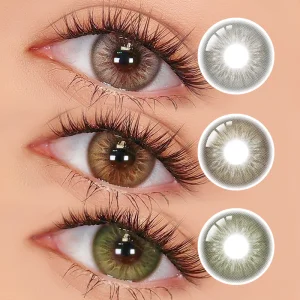
Explore additional selections from our catalog, featuring natural daily wear profiles, special custom tones, and promotional catalog printings.

 Vibe Lenses