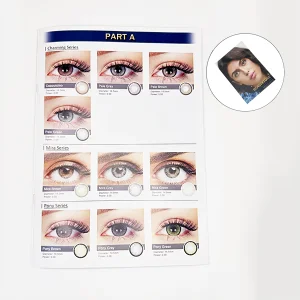
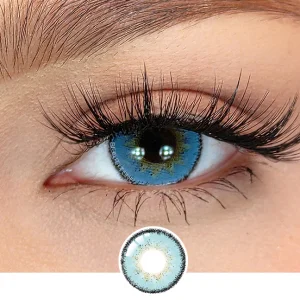
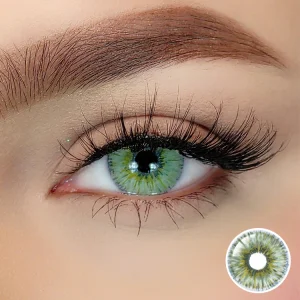
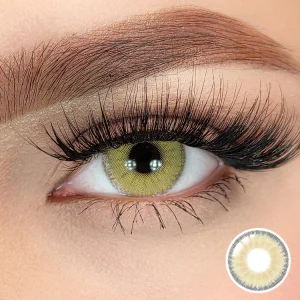
Engineered utilizing advanced precision casting methodologies, these premium iris-simulated lenses meet strict global safety thresholds while offering highly authentic cosmetic aesthetics.
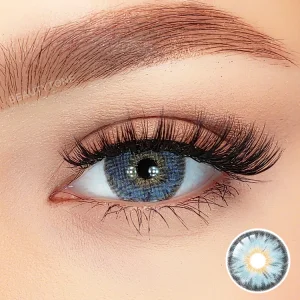
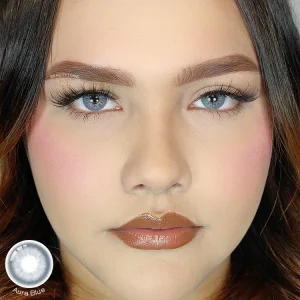
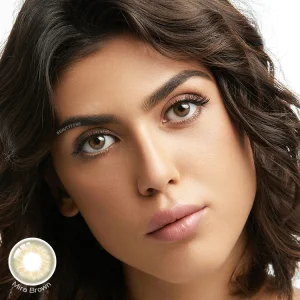
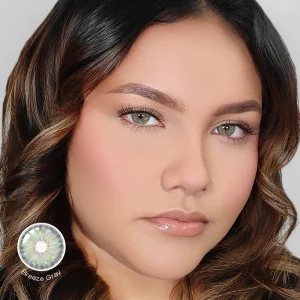
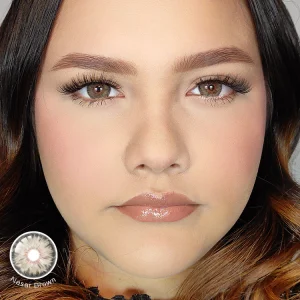
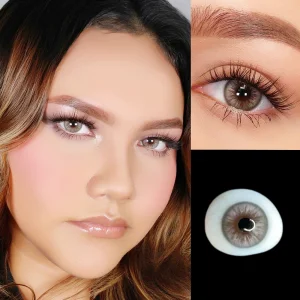
In the contemporary medical-grade cosmetics sector, optical engineering has evolved beyond flat coloration. Modern buyers seek three-dimensional depth, safe micro-encapsulation, and optimal eye health profiles.
The term BeautyTone Iridescence refers to a proprietary micro-layering technology that mimics the natural structural coloration found in the human iris. Unlike standard printed cosmetic contact lenses that use flat, opaque dot matrices, iridescent technology relies on light-scattering and light-refraction techniques built into the hydrogel and silicone-hydrogel layers. This results in dynamic multi-tonal effects that shift organically under varying ambient lighting conditions.
From an optical engineering perspective, this design is accomplished using a multi-layer cast-molding approach. The process encapsulates pigment formulations securely within the core of the lens polymer, preventing direct contact between the colorants and the corneal epithelium. Additionally, this methodology safeguards high oxygen transmissibility (Dk/t), supporting prolonged wear without compromising corneal health.
Utilizes ultra-fine pigment deposition (less than 5 microns thick) configured in concentric micro-structures. This distribution enables natural light refraction, eliminating the "artificial" or "flat" aesthetic commonly associated with low-cost cosmetic contacts.
By trapping active color particles inside medical-grade HEMA/Polymacon materials, manufacturers prevent the pigment layer from touching the eye surface, maintaining a ultra-smooth outer lens boundary.
Maintains a 38% to 42% water content ratio, minimizing dehydration rates and optimizing structural stability. This specific baseline ensures lenses do not pull moisture away from the wearer's tear film.
With global demand for cosmetic contact lenses rising, B2B procurement partners require reliable industrial-scale solutions that pair innovation with robust regulatory compliance.
Hunan Vibe Lenses Technology Co., Ltd. stands out as an elite OEM/ODM manufacturer in the soft contact lens space. Operating a massive, highly automated production base located in Dongguan, China, the firm specializes in cosmetic colored contacts, high-definition spherical lenses, and customized private-label solutions. By integrating state-of-the-art automated cast-molding systems within certified Class 100,000 cleanrooms, they maintain an exceptionally low manufacturing defect rate while scaling production output to satisfy large-scale global orders.
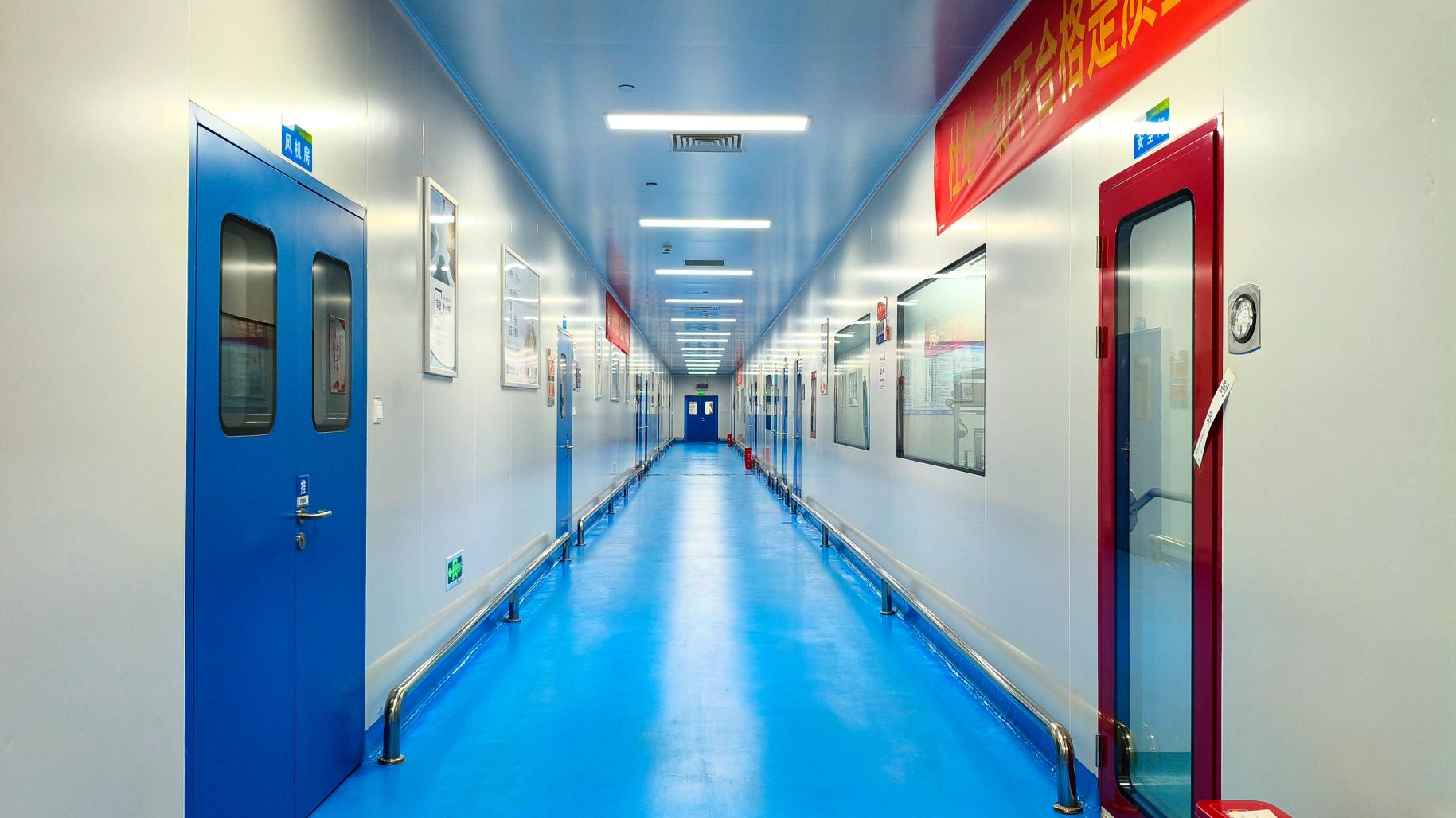
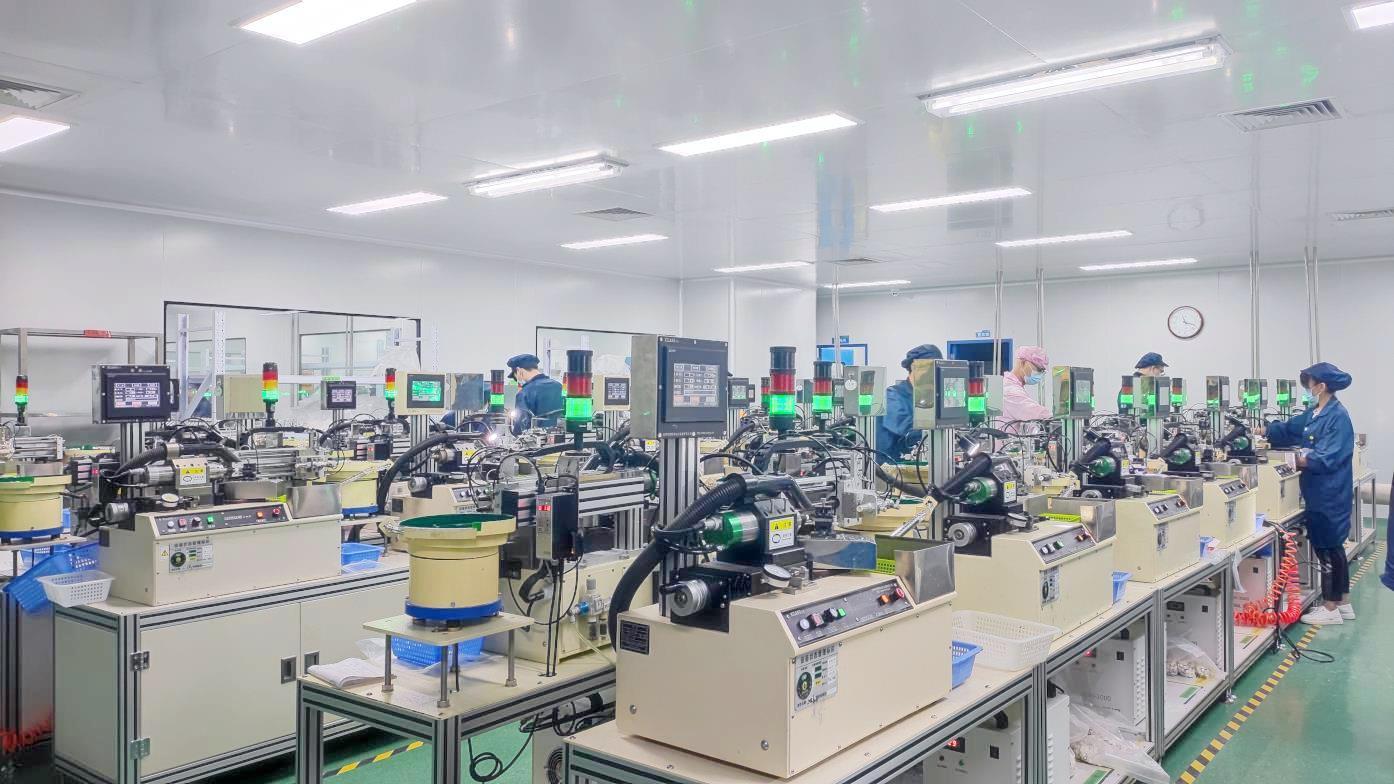
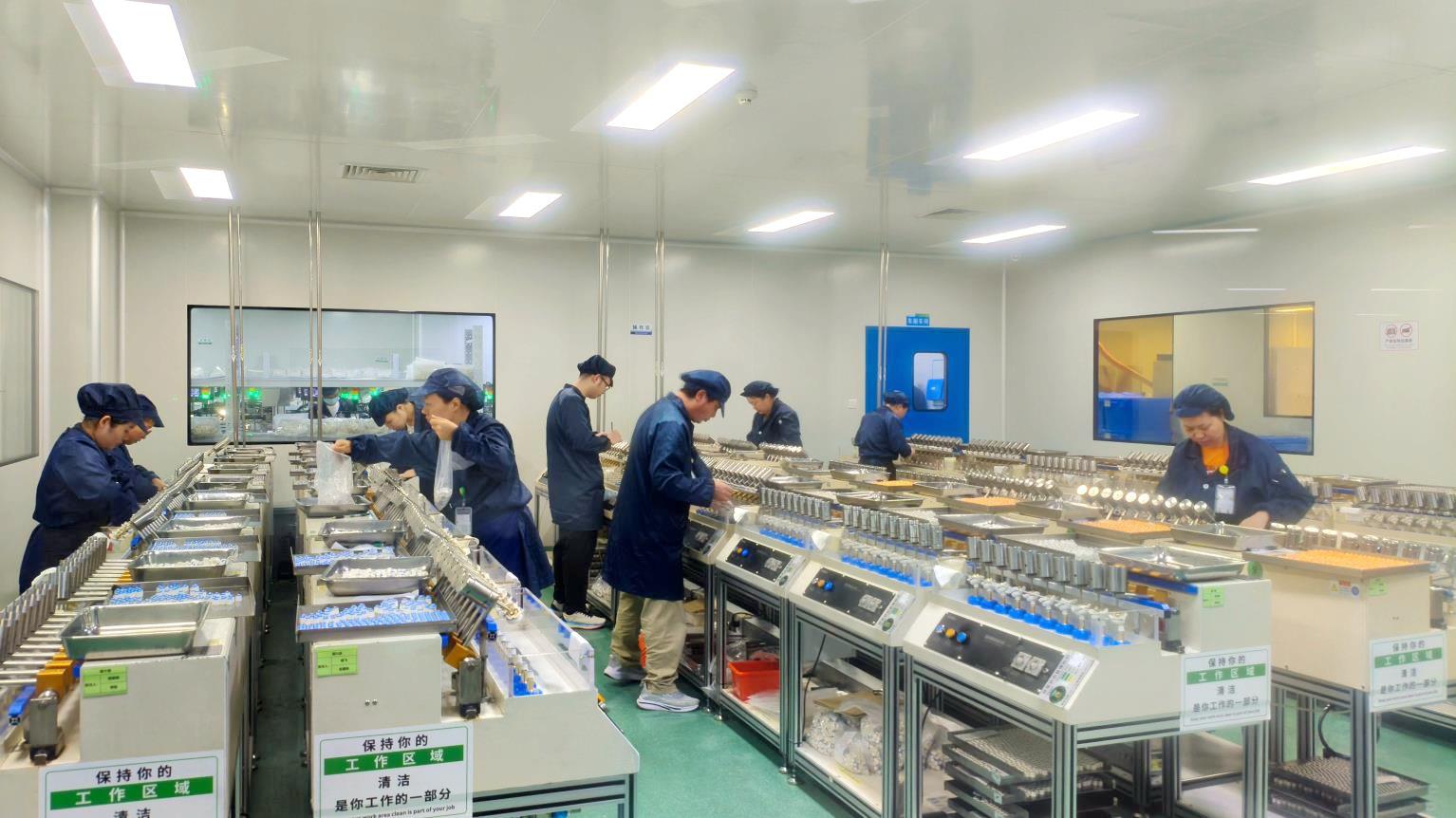
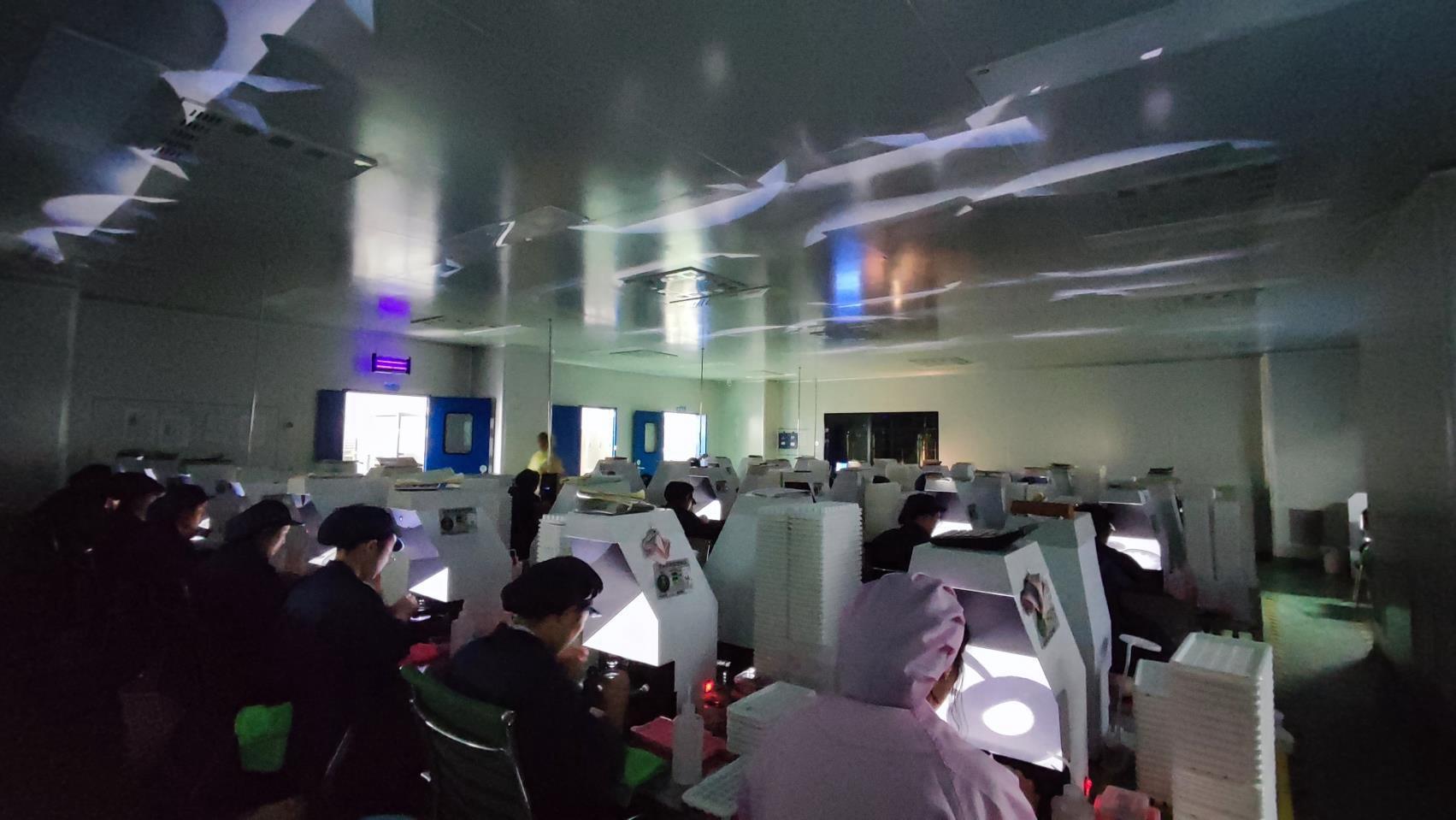
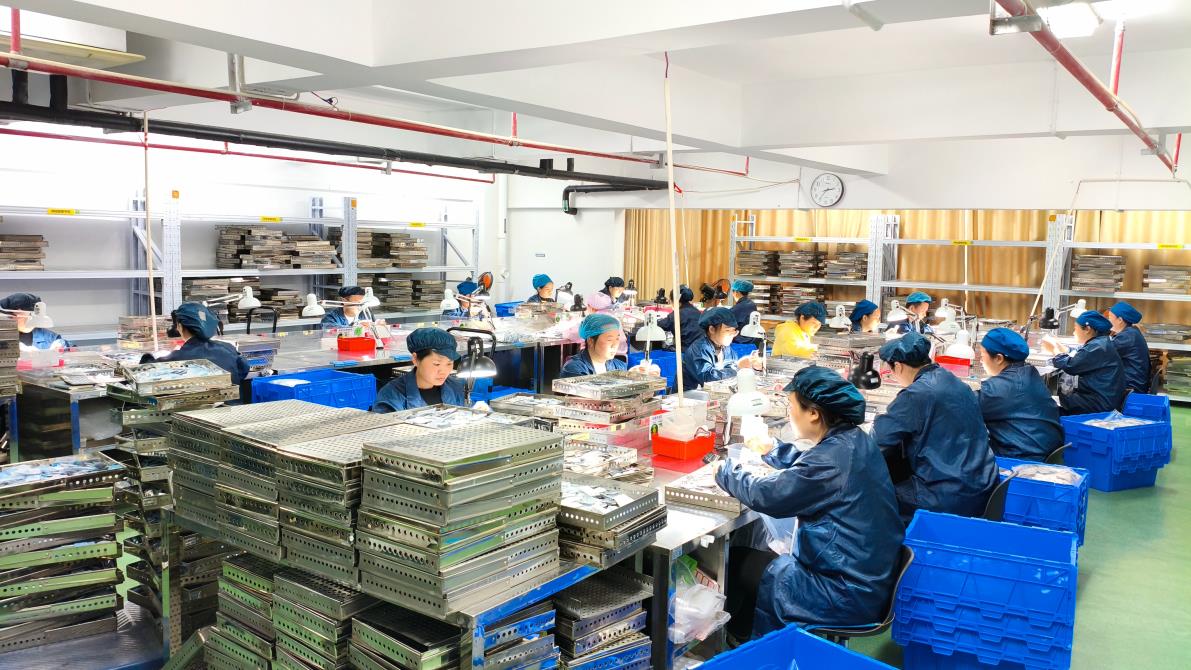
Our engineering team has assessed global contact lens manufacturers against strict criteria, including cleanroom automation levels, quality assurance certifications, and polymer chemistry innovation.
| Supplier Name | Manufacturing Location | Key Certificates | Material Focus | Primary Value Proposition |
|---|---|---|---|---|
| Hunan Vibe Lenses Technology Co., Ltd. | Dongguan & Hunan, China | CE, ISO 13485 | HEMA, Polymacon | Automated cast molding, Class 100k cleanroom, comprehensive private-label OEM support. |
| Pegavision Corp. | Taoyuan, Taiwan | FDA 510(k), CE, PMDA | Silicone Hydrogel | High Dk/t silicone hydrogel technology and advanced automated optical inspection (AOI) lines. |
| St. Shine Optical Co., Ltd. | New Taipei City, Taiwan | ISO 13485, CE, FDA | Polymacon, Ocufilcon D | Large-scale cast-molding efficiency, extensive global logistics network. |
| Interojo Inc. | Gyeonggi-do, South Korea | CE, ISO 13485 | Hydrogel, Silicone Hydrogel | Moisture-retentive technology and complex multi-tone cosmetic patterns. |
| Ginko Optical Co., Ltd. | Taichung, Taiwan | CE, FDA, NMPA | Hydrogel / E-HEMA | Strong presence across mainland China and Southeast Asia, optimized cost structures. |
| Bescon Co., Ltd. | Seoul, South Korea | ISO 13485, CE, NMPA | HEMA, Polymacon | Over 50 years of manufacturing experience, specializing in cast molding and lathe-cutting. |
| Neo Vision Co., Ltd. | Gyeonggi-do, South Korea | CE, ISO 13485 | Sandwich HEMA | Proprietary sandwich encapsulation process, providing thin, comfortable lens cross-sections. |
| Clearlab SB | Singapore | FDA, CE, ISO 13485 | Aquagrip Hydrogel | Advanced hydration chemistry, reduced dry-eye symptoms for cosmetic contact lens wearers. |
| Innovision Optical | Hsinchu, Taiwan | ISO 13485, CE | Polymacon | Rapid prototyping of new cosmetic designs, low MOQ pathways for emerging brands. |
| Dueba Contact Lens | Daegu, South Korea | ISO 13485, CE | HEMA | Focus on cosplay, dramatic patterns, and wide ranges of cosmetic colored lens styles. |
The cosmetic lens sector is transitioning from traditional HEMA hydrogels toward high-oxygen-permeable silicone formulations and smart tint interfaces.
Increasing the overall oxygen transmissibility (Dk/t) from ~20 to over 80. This advancement protects long-term ocular health, mitigates hypoxic redness, and extends the safe daily wear time to over 12 hours.
Integrating hydrophilic copolymers (such as Hyaluronic Acid or Polyvinylpyrrolidone) directly into the monomer matrix. This forms a continuous hydration shield, reducing lipid deposits and minimizing dry-eye symptoms.
Developing lenses that adjust their base hue in response to UV light intensity. This dual-action feature protects wearers from excess light glare while serving as a dynamic cosmetic enhancement.
Leading manufacturers are actively redesigning their material inputs and production steps to lower their carbon footprints. In factories such as Hunan Vibe Lenses, this includes implementing closed-loop water purification processes that recycle water used in the lens hydration phase, and shifting toward energy-efficient UV curing chambers. By choosing bio-based monomers and reducing single-use plastic mold waste, suppliers are helping global brands meet modern corporate ESG goals.
China's modern optical manufacturing sector utilizes smart factory automation to maintain production stability and shield partners from cost volatility.
The consolidation of the raw material supply chain within China’s industrial parks (primarily in the Guangdong and Hunan regions) offers B2B buyers a distinct procurement advantage. By grouping key suppliers—such as monomer synthesis labs, custom packaging printers, and automated sterilization machinery builders—adjacent to key shipping ports, lead times are kept to a minimum.
Under China Factory 4.0 standards, manufacturing steps are monitored in real time using IoT arrays. Key performance metrics like polymer hydration levels, curing temperatures, and cosmetic printing alignment are continuously tracked, reducing the human error rate to less than 0.05%.
| Procurement Pillar | Traditional Manufacturing Setup | China Factory 4.0 Automated System | Direct Strategic Advantage for Brands |
|---|---|---|---|
| Quality Inspection | Manual optical microscope checks (prone to human oversight). | High-speed, multi-camera Automated Optical Inspection (AOI) lines. | Defect rates drop below 1 in 10,000 units, minimizing post-market return risks. |
| Mold Precision | Repeated use of metal/glass molds (resulting in micro-abrasions). | Single-use cast molds formed by high-precision injection tooling. | Guarantees exact edge geometry, maximizing wear comfort. |
| Sterilization Security | Batch autoclaving with manually recorded parameters. | Continuous, inline steam sterilization featuring computerized data logging. | Provides verifiable compliance trails for EU MDR and FDA audits. |
| Inventory Agility | Large batch production runs requiring huge upfront capital. | Modular printing cells that support rapid design changes. | Allows brands to launch seasonal color capsule collections with lower inventory risk. |
Contact lenses are classified as medical devices globally. Navigating the regulatory landscape is essential to ensure long-term market access and secure shipping operations.
With the transition from the Medical Device Directive (MDD) to the Medical Device Regulation (MDR), registration criteria have tightened. B2B buyers must partner with manufacturers that maintain active, audited ISO 13485 quality systems and technical documentation files.
Marketing cosmetic or prescription lenses in the US requires FDA 510(k) premarket clearance. An overseas manufacturer must register their facility, list their device models, and work with an in-country US agent to manage compliance.
Minimum Order Quantities (MOQs) typically range from 1,000 to 5,000 lenses per SKU for custom colors, and as low as 100 boxes for in-stock, white-label catalogs. Volume-tiered pricing offers significant cost savings above 50,000 units.
Here are direct answers to common questions asked by B2B sourcing agents and brand managers during the supplier onboarding process.
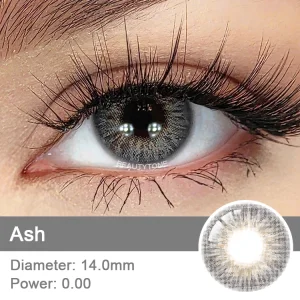
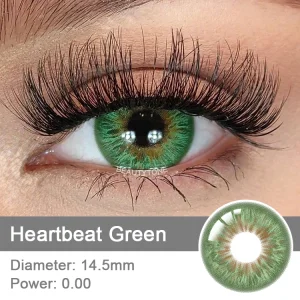
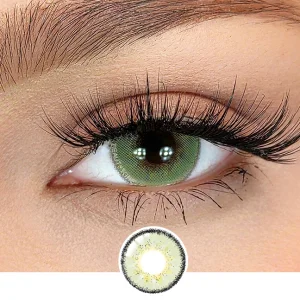
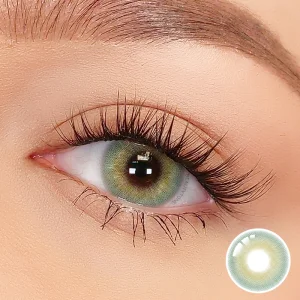
Our extended collection features yearly, monthly, and daily options built for diverse customer eye colors and comfort requirements.
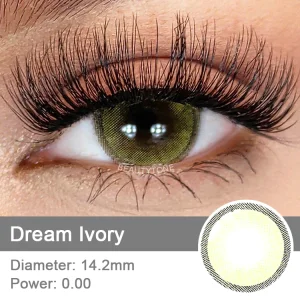

 Vibe Lenses