Explore our leading, certified medical-grade cosmetic contact lenses manufactured under ultra-precise optical parameters.
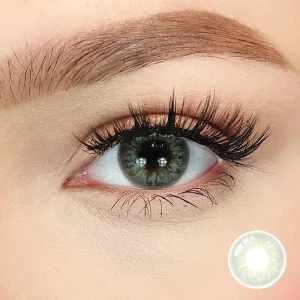
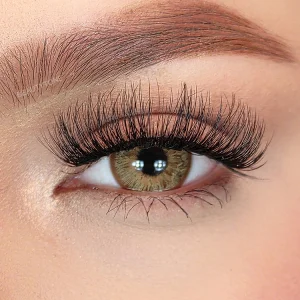
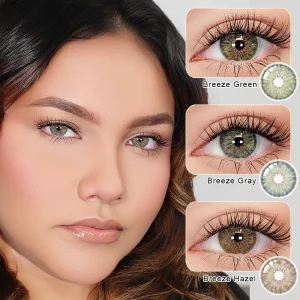
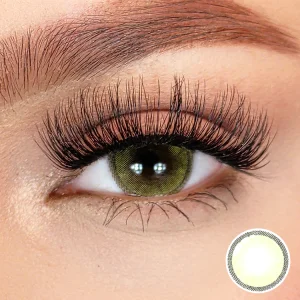
The global market for cosmetic colored contact lenses has transitioned from a niche theatrical novelty into a mainstream cosmetic staple. The BeautyTone Mystique product segment represents the pinnacle of this evolution, fusing high-fashion aesthetics with advanced biocompatible ophthalmic engineering. According to recent ophthalmic sector audits, the global demand for decorative and cosmetic contact lenses is expanding at a CAGR of 8.6%, driven by emerging consumer demographics across North America, Europe, East Asia, and the Middle East.
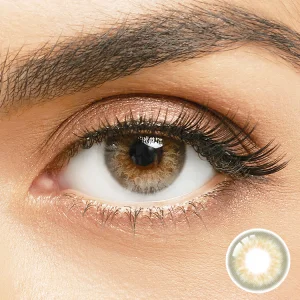
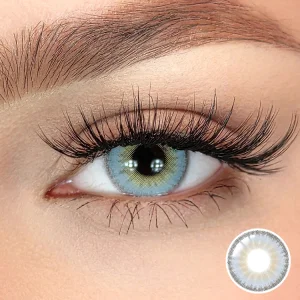
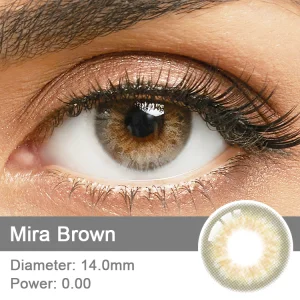
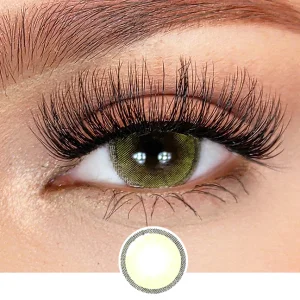
Enterprise buyers are no longer merely sourcing simple pigments; they are looking for structural integration of colors that prioritize ocular safety. The modern consumer demands "hyper-naturalism"—colored contacts that blend seamlessly with the natural iris pattern. To achieve this, leading manufacturers leverage multi-tone printing configurations that replicate the micro-fiber structures of the human iris, giving rise to products such as the *BeautyTone Mira Brown* and *Dream Baby Blue* lines.
Furthermore, the industrial landscape is governed strictly by medical device regulations. Contact lenses are classified as Class II or Class III medical devices depending on the jurisdiction (e.g., FDA in the United States, CE MDR in Europe). As a result, the global supply chain relies heavily on a limited number of specialized OEM/ODM factories capable of combining automation with strict compliance frameworks.
Among the key players setting benchmark standards in the global cosmetic contact lens sector is Hunan Vibe Lenses Technology Co., Ltd. As a certified, high-tech OEM/ODM manufacturer, the company has consolidated its technical operations to deliver scale and quality that few factories can match.
"Hunan Vibe Lenses Technology Co., Ltd. is a certified OEM/ODM manufacturer of premium contact lenses and cosmetic colored lenses. Based in Dongguan, China, we combine automated, medical-grade cast-molding production (Class 100,000 cleanrooms) with trend-forward design capabilities. As a trusted private-label partner, we deliver CE and ISO-compliant manufacturing solutions, reliable bulk wholesale, and end-to-end supply chain support for global eyewear and beauty brands."
The manufacturing process at Hunan Vibe Lenses Technology's Dongguan facility operates within state-of-the-art Class 100,000 cleanrooms. This ensures that environmental particulates are tightly controlled, preventing microscopic contamination that could compromise ocular health or lens structural integrity.
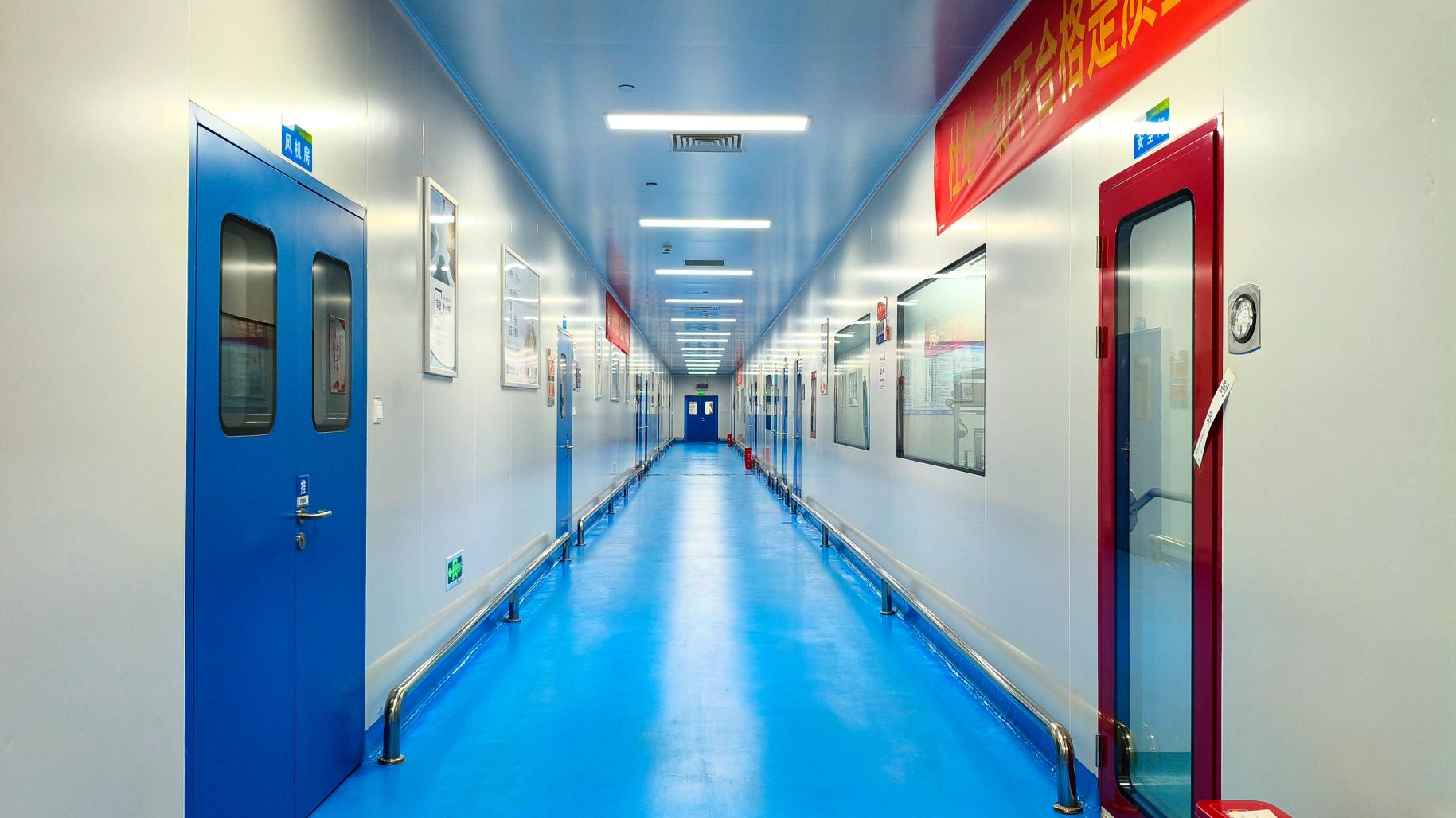
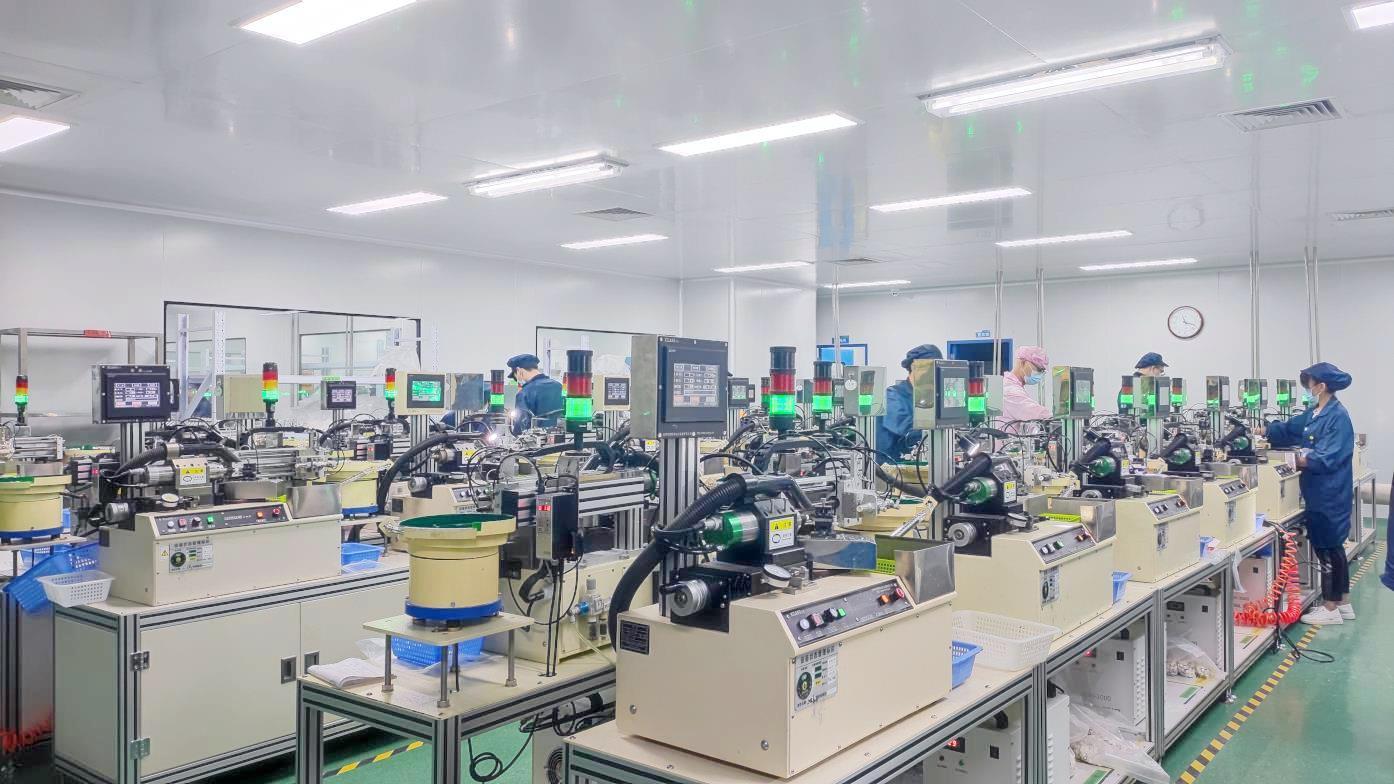
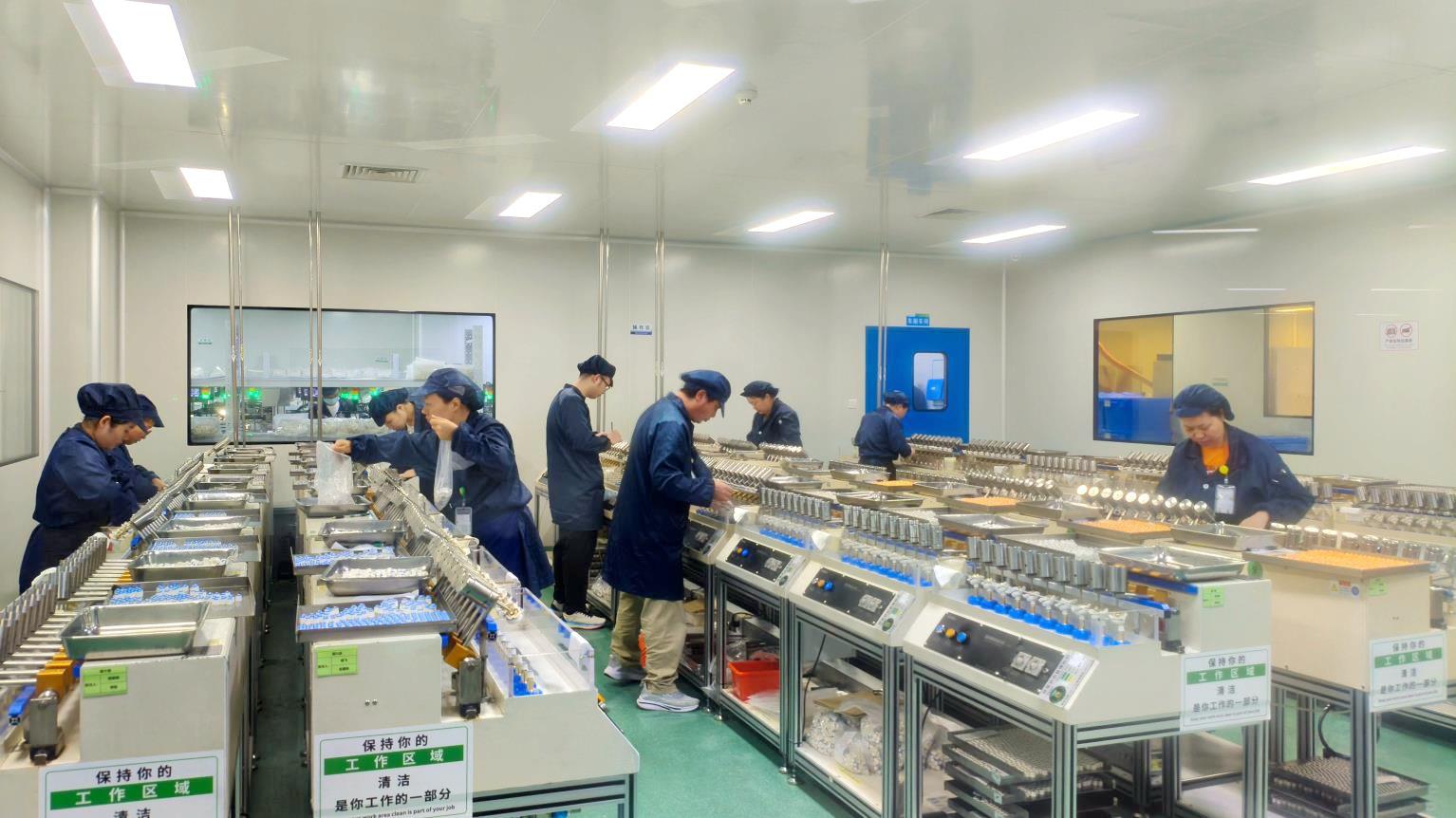
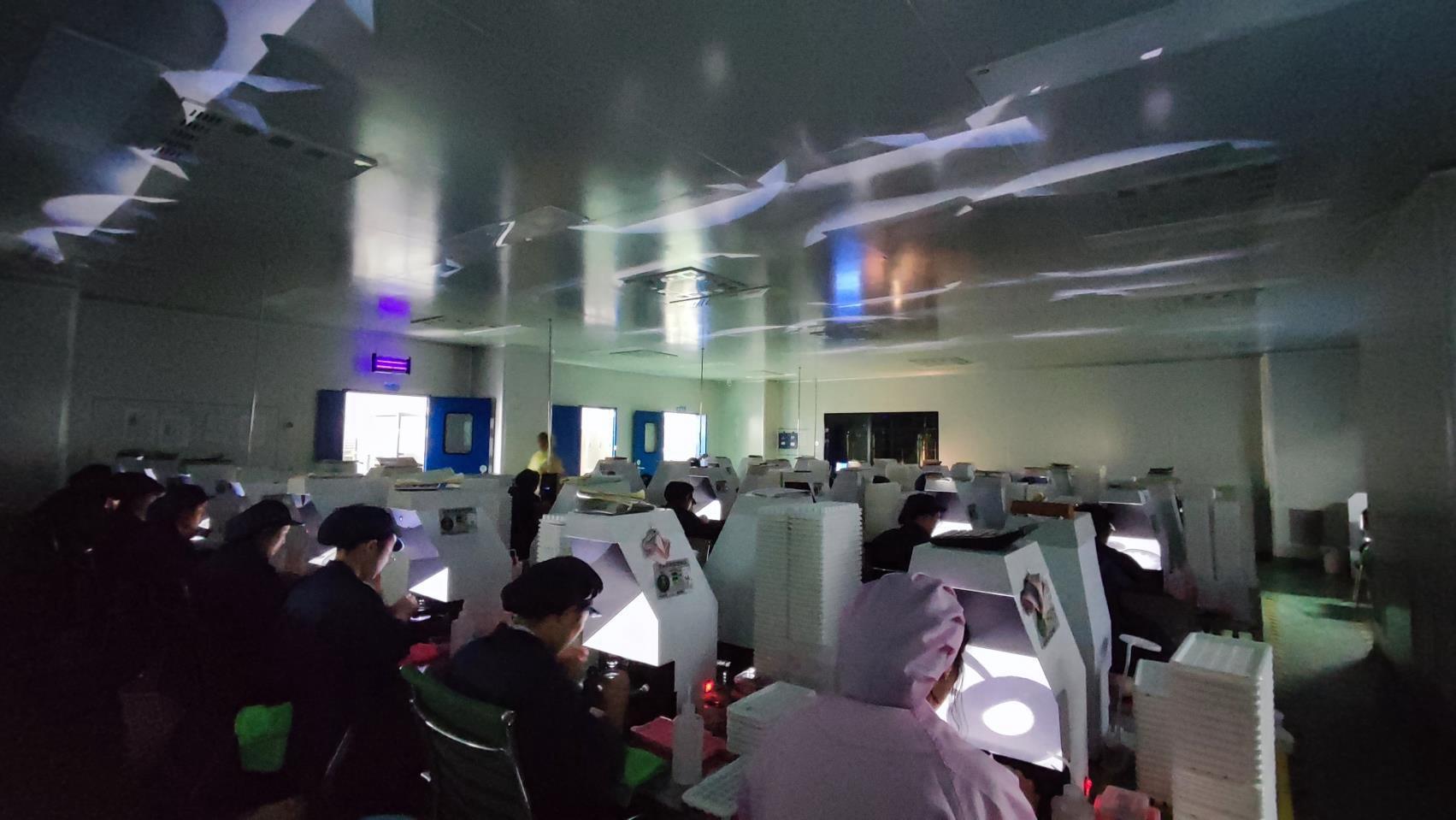
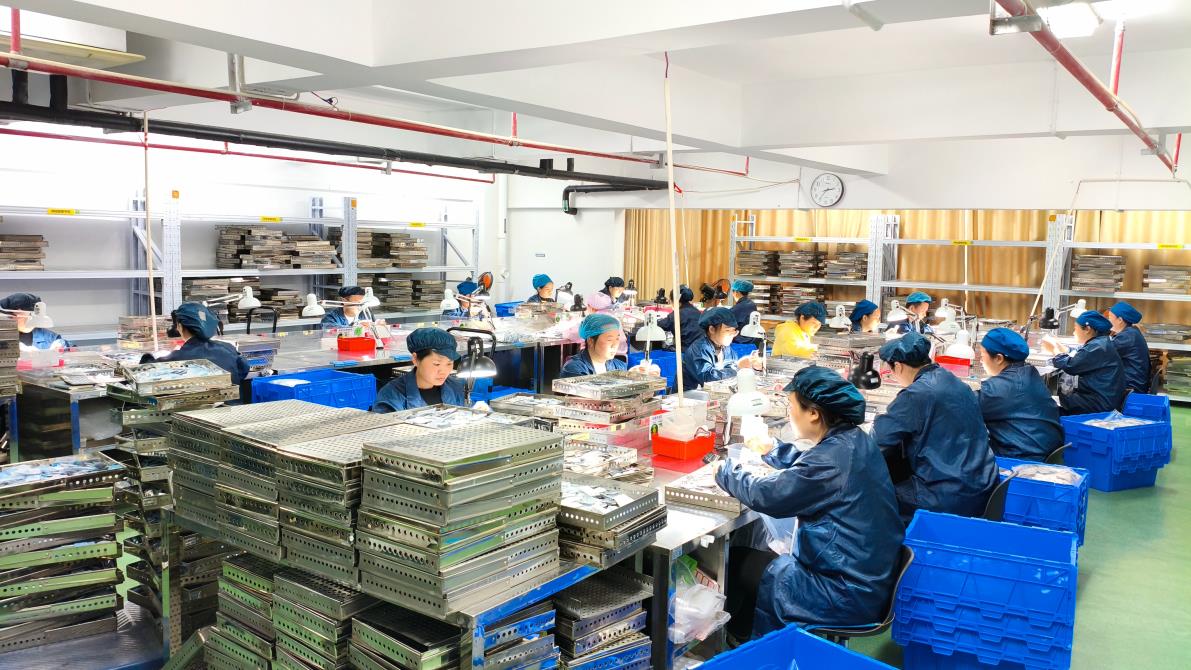
Dongguan, China, has established itself as the global epicenter for precision injection molding and advanced polymer materials. The local manufacturing cluster offers strategic advantages that directly benefit enterprise buyers:
Unlike traditional lathe-cut lenses, automated cast-molding produces thousands of lenses per hour with exact replication of base curves (BC) and optical zones, drastically cutting unit production costs.
Integrated sterilization autoclaves operating at 121°C, coupled with computerized cosmetic defect inspection cameras, guarantee an exceptionally low return rate (<0.05%).
Direct proximity to global container ports in Shenzhen and Hong Kong cuts transit lead times down to 7–14 days for air freight and 25-30 days for ocean logistics.
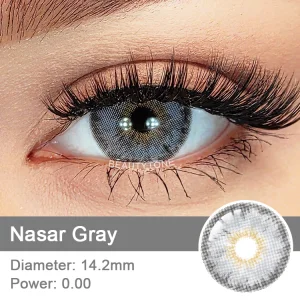
For bulk buyers sourcing products like the *BeautyTone Heartbeat Brown* or *Nasar Gray Eye Lenses*, this translates into competitive pricing models that allow retail brands to maintain high profit margins. The automation of the injection molding cycle allows for a continuous workflow, mitigating price spikes caused by labor shortfalls.
The application of BeautyTone Mystique contact lenses varies dramatically based on regional demographics, market positioning, and consumer behavior. Sourcing managers must optimize their orders to fit local distribution models:
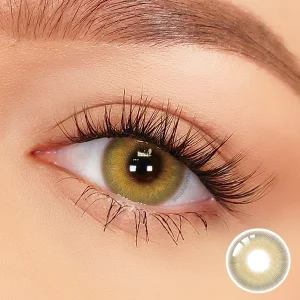
In highly developed beauty markets (such as East Asia and Western Europe), natural-looking colored lenses (e.g., Muse Brown, Breeze Gray) are positioned as daily makeup accessories. Consumers favor yearly or daily disposable configurations with high water content (38%-42%) and exceptional oxygen transmissibility to prevent dry-eye symptoms during prolonged office use.
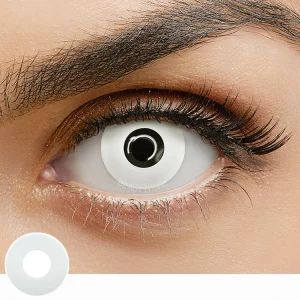
During key retail seasons like Halloween, the demand for opaque, dramatic lenses surges. Products like the *Halloween Zombie White* crazy-style lenses require highly concentrated, safe pigments that completely block the wearer's natural iris color without impeding vision. Enterprise distributors scale up inventory 4 to 6 months prior to October to capture this highly profitable seasonal spike.
Optical chains and clinics focus on non-prescription cosmetic lenses (plano lenses) that are ISO-certified and sterile. They require strict compliance documentation (CE Certificate of Conformity, Free Sales Certificates) to list these products on pharmacy or clinical shelves.
When selecting a manufacturing partner, procurement officers should evaluate specific technical parameters to guarantee consumer safety and optimal wearability. Below is an overview of standard industry benchmarks:
| Technical Param | Standard Specification | Relevance to Wearer Safety |
|---|---|---|
| Material | HEMA / NVP / Silicone Hydrogel (SiHy) | Controls oxygen permeability (Dk/t) and prevents corneal hypoxia. |
| Water Content | 38% - 42% | Balances initial lens softness with long-term moisture retention. |
| Base Curve (BC) | 8.5mm - 8.6mm | Determines physical fit on the cornea, avoiding lens slippage. |
| Diameter (DIA) | 14.0mm - 14.5mm | Alters visual enlargement effect (e.g., 14.0mm for natural, 14.5mm for circle lens style). |
| Center Thickness | 0.08mm (@ -3.00 D) | Balances structural durability with comfort and oxygen flux. |
| Color Technology | 3-Layer Sandwich Embedding | Ensures dye pigments do not directly touch the corneal surface. |
Understanding the difference between high-quality lenses and cheap alternatives lies in the manufacturing details. Here is the step-by-step procedure implemented by industry-leading factories:
1. Monomer Formulation: The process begins by mixing polymerizing agents (primarily Hydroxyethyl Methacrylate, or HEMA) with hydration-enhancing monomers. UV-blocking agents are also integrated into this liquid blend to protect the retina from harmful ultraviolet rays.
2. The Sandwich Printing Technique: Color pigments are printed onto the inner side of the mold surface. The liquid monomer is then injected over it, locking the pigment layers inside the core polymer. This is critical for preventing eye irritation or pigment leaching.
3. UV Cure & Thermal Polymerization: The closed molds pass through precision UV-curing tunnels or thermal ovens. This transforms the liquid monomer into a solid, highly elastic dry lens matrix.
4. Hydration and Extraction: The dry lenses are demolded and placed in pure saline baths. They absorb water, expanding to their final dimensions. Impurities and unreacted monomers are washed away during this phase to ensure high biocompatibility.
5. Automated Inspection & Autoclave Sterilization: Artificial Intelligence-driven vision inspection systems inspect every single lens for edge tears, pigment bubbles, or surface scratches. Accepted lenses are sealed in sterile blister packs and sterilized in autoclaves at 121°C for 20 minutes.
Essential insights for global sourcing managers and cosmetic brand owners.
Generally, Chinese contact lens factories like Hunan Vibe Lenses require an MOQ of 500 to 1,000 pairs per SKU (color and power combination) for custom private packaging. For stock white-label items, the MOQ can be significantly lower.
By using the 3-Layer Sandwich Technology. The ink is completely enclosed between the top and bottom hydrogel layers. Additionally, we only use FDA-approved medical-grade cosmetic colorants that contain no free metal ions.
Importers must verify that the factory holds an ISO 13485 Medical Device Quality Management certificate, CE certification (under MDR 2017/745), and a Certificate of Free Sale (CFS). These are required to pass custom clearances smoothly in most countries.
Yearly lenses (such as the Nasar and Dream Ivory yearly collections) are built with higher structural polymer density to withstand daily cleaning and handling. Daily disposables are thinner, designed for single-use, and offer exceptional immediate comfort but require high volume production runs.
Yes, factories provide full OEM/ODM packaging services. This includes customized blister foil designs, paper box printing, barcodes, and multi-lingual user instructions to match regional consumer regulatory requirements.
For existing mold profiles and packaging templates, the production cycle ranges between 25 to 35 days. For completely new graphic designs or custom base curves requiring mold manufacturing, lead times can stretch to 45 to 60 days.
Explore the remainder of our world-class, ISO-compliant decorative lenses catalog.
 Vibe Lenses