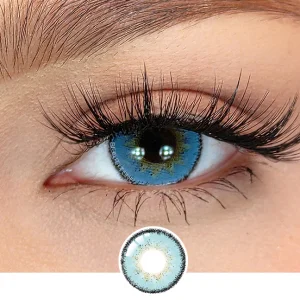
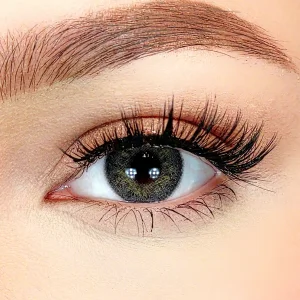
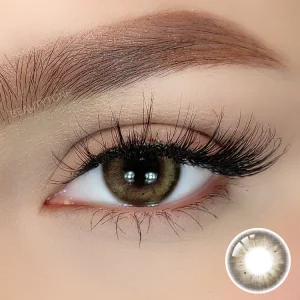
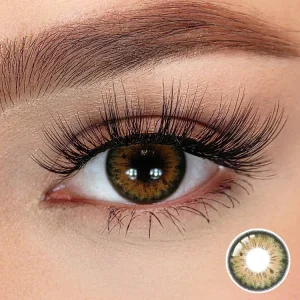
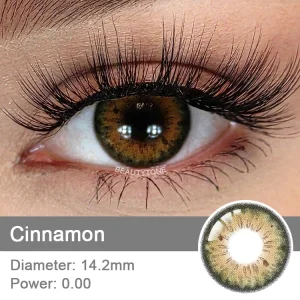
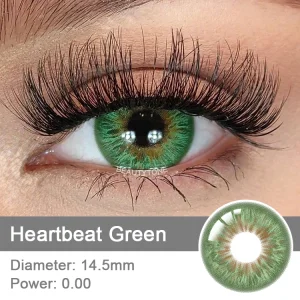
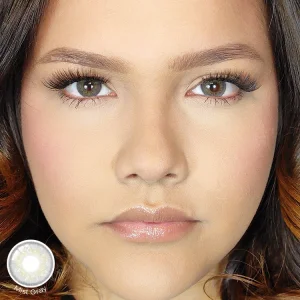
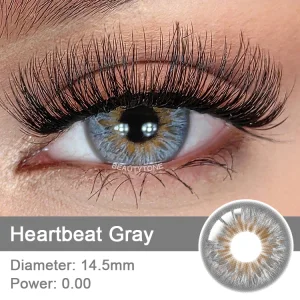
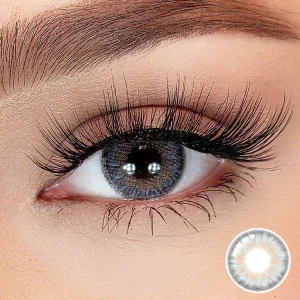
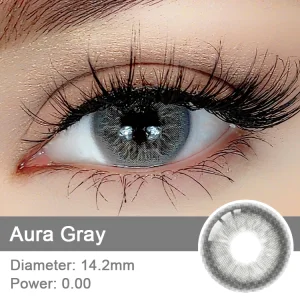
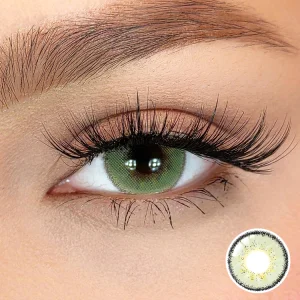
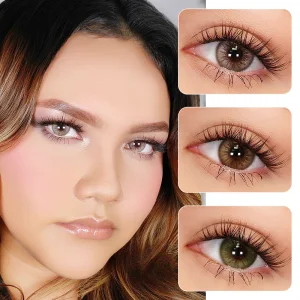
Explore our primary wholesale offerings selected specifically for regional performance, offering outstanding comfort and natural pigments optimized for darker eye profiles.
The cosmetic and eye health landscape in Mozambique has entered a high-growth phase, fueled by rapid urbanization in primary metropolitan hubs such as Maputo, Matola, Beira, and Nampula. Historically dependent on basic health products, the Mozambican retail sector has experienced a profound shift toward premium cosmetic accessories and lifestyle-driven medical-grade products. As digital connectivity expands, particularly among young consumers, the demand for certified safe cosmetic eye enhancement solutions—specifically colored contact lenses—has spiked significantly. Distributors and optical importers are actively transitioning from high-margin low-volume sales to scalable B2B partnerships with established global manufacturers.
Local businesses in Maputo face persistent challenges in sourcing dependable inventory. Many local vendors are reliant on third-tier regional trading companies located in South Africa, which severely inflates supply-chain costs and introduces delivery bottlenecks. Direct B2B imports from certified international production facilities have become critical for maintaining retail margins. Furthermore, regulatory agencies like the Ministry of Health of Mozambique (MISAU - Ministério da Saúde) have steadily increased their oversight on medical-grade imports. Consequently, establishing direct procurement corridors with manufacturers that provide complete certifications (such as ISO 13485 and CE standards) is now a requirement to prevent customs delays and ensure market longevity.
How BeautyTone addresses the critical components of scale, precision, and reliable supply lines for international importers.
Complete traceability under ISO 13485 and European CE marks, verifying that each production batch meets strict ophthalmic tolerances for lens edge geometry and oxygen transmissibility.
Turnkey private-label design from packaging geometry to color rendering, allowing regional brands to establish market dominance with unique regional branding.
Robust supply frameworks with air and sea routes, utilizing temperature-controlled transit packaging to protect sterile saline integrity across long ocean passages.
The manufacturing powerhouse behind BeautyTone Charming contact lenses.
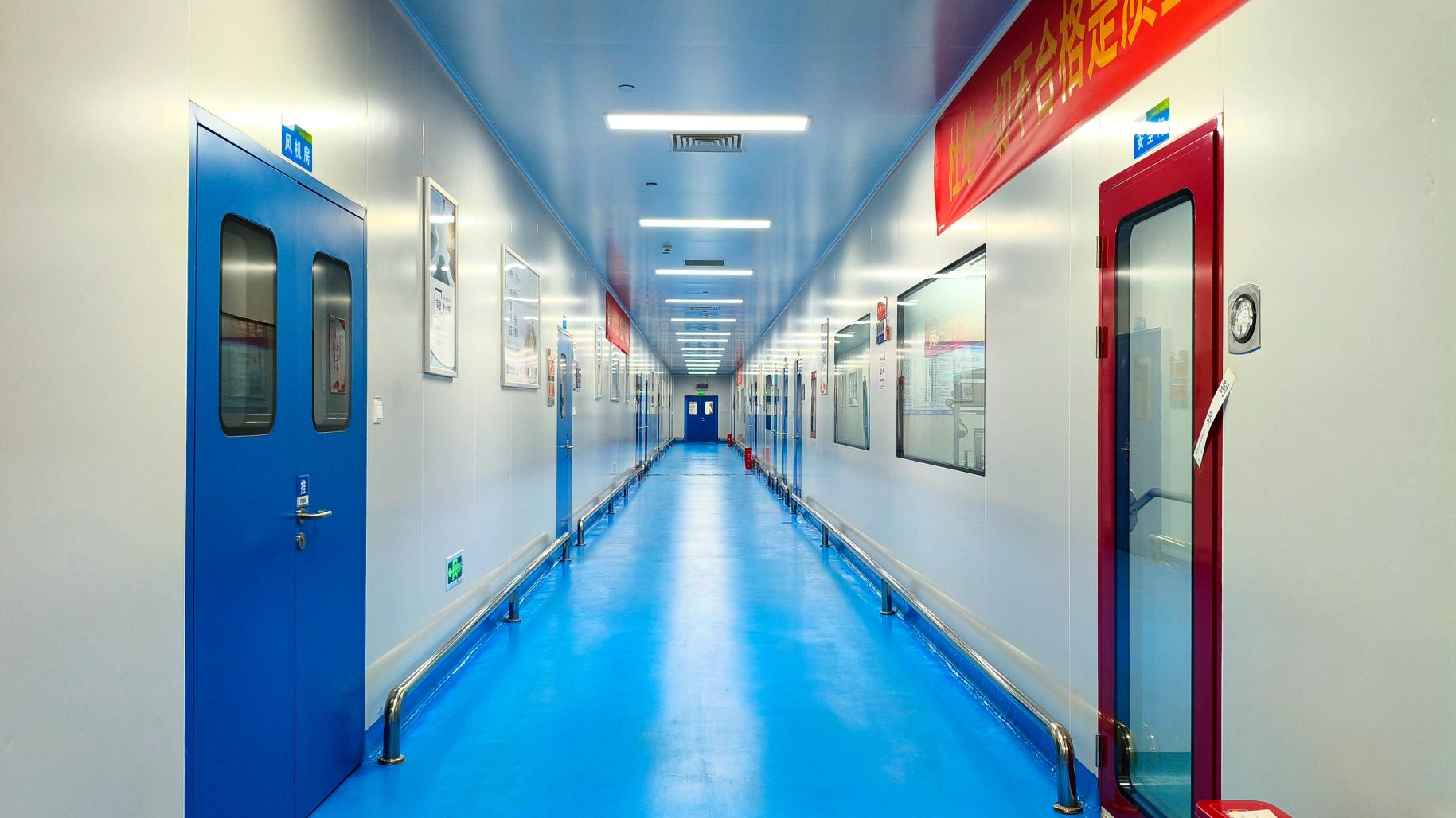
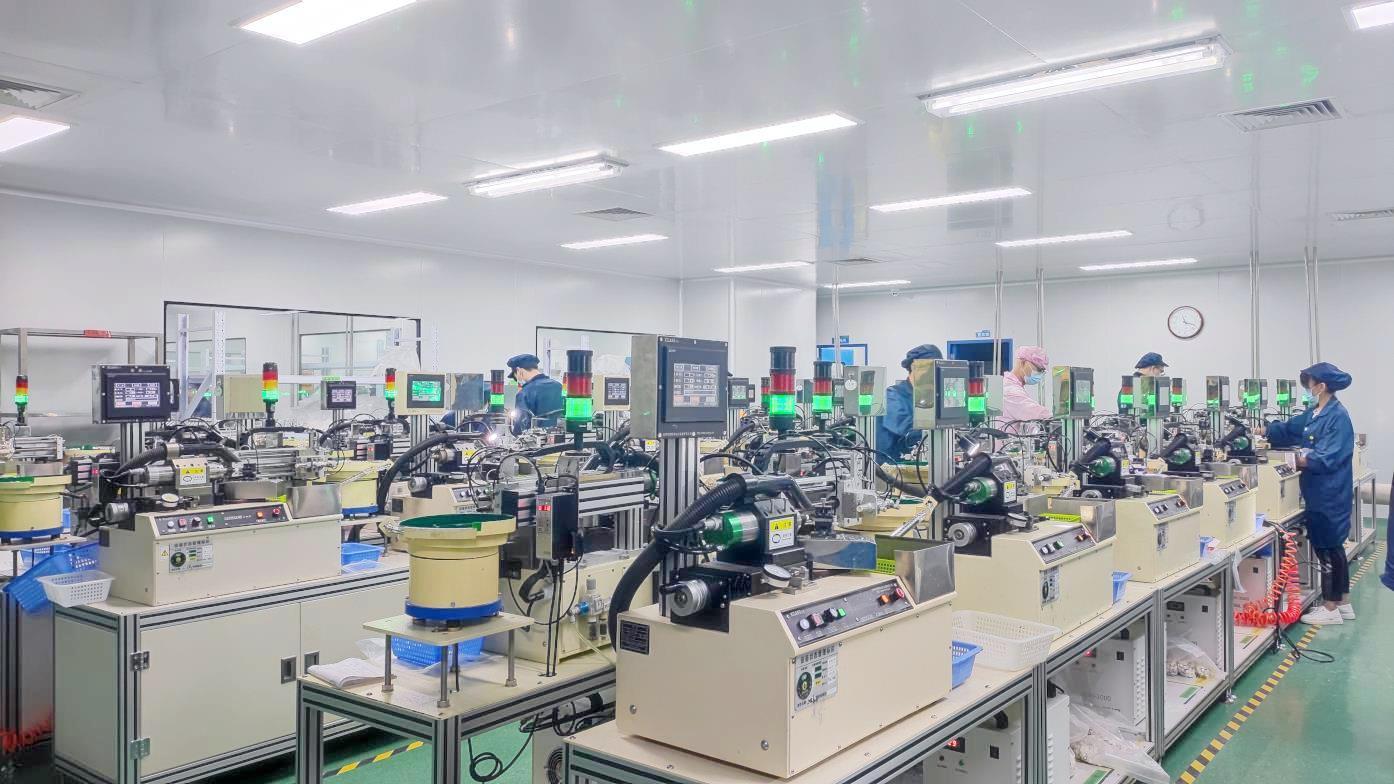
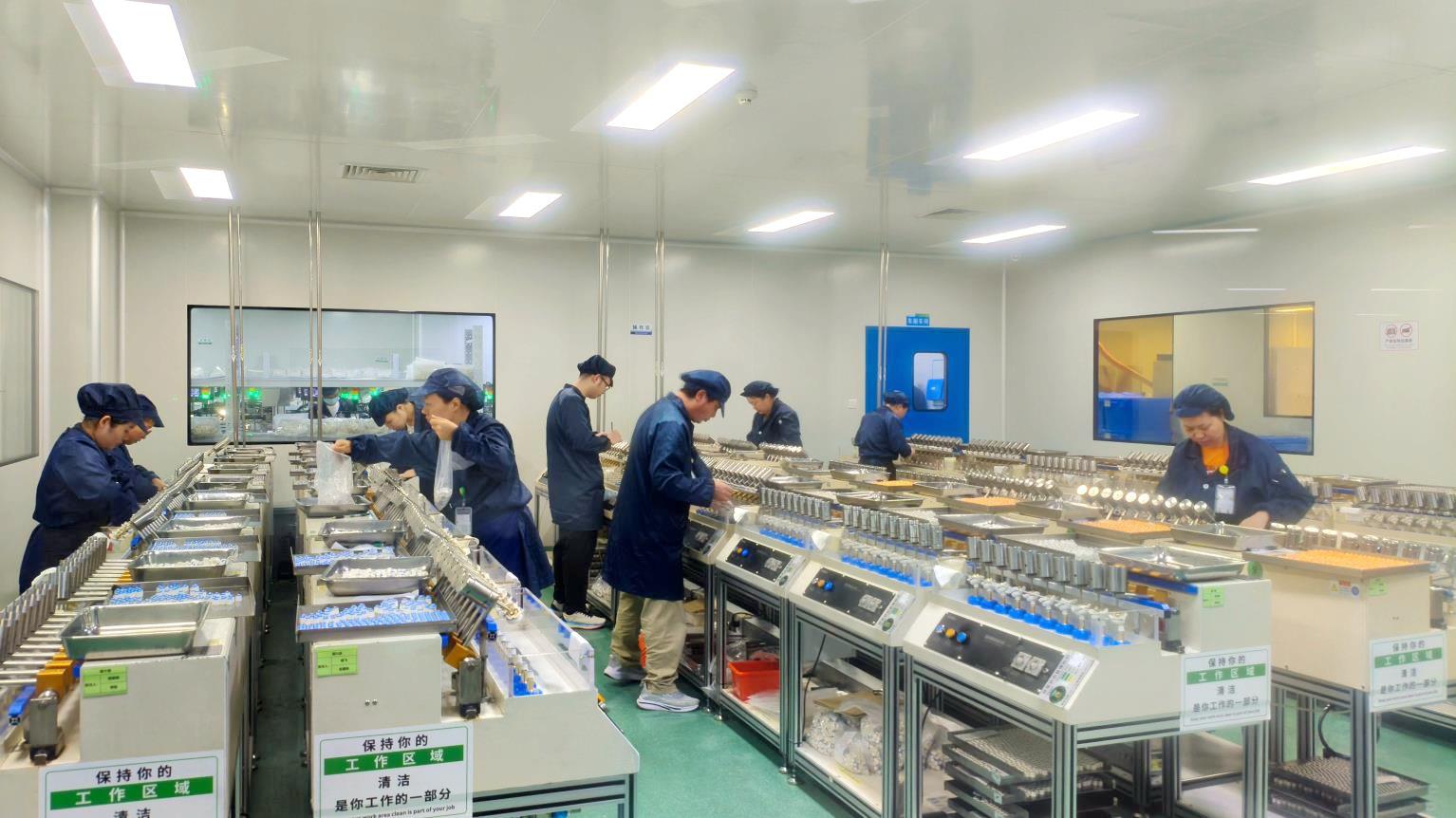
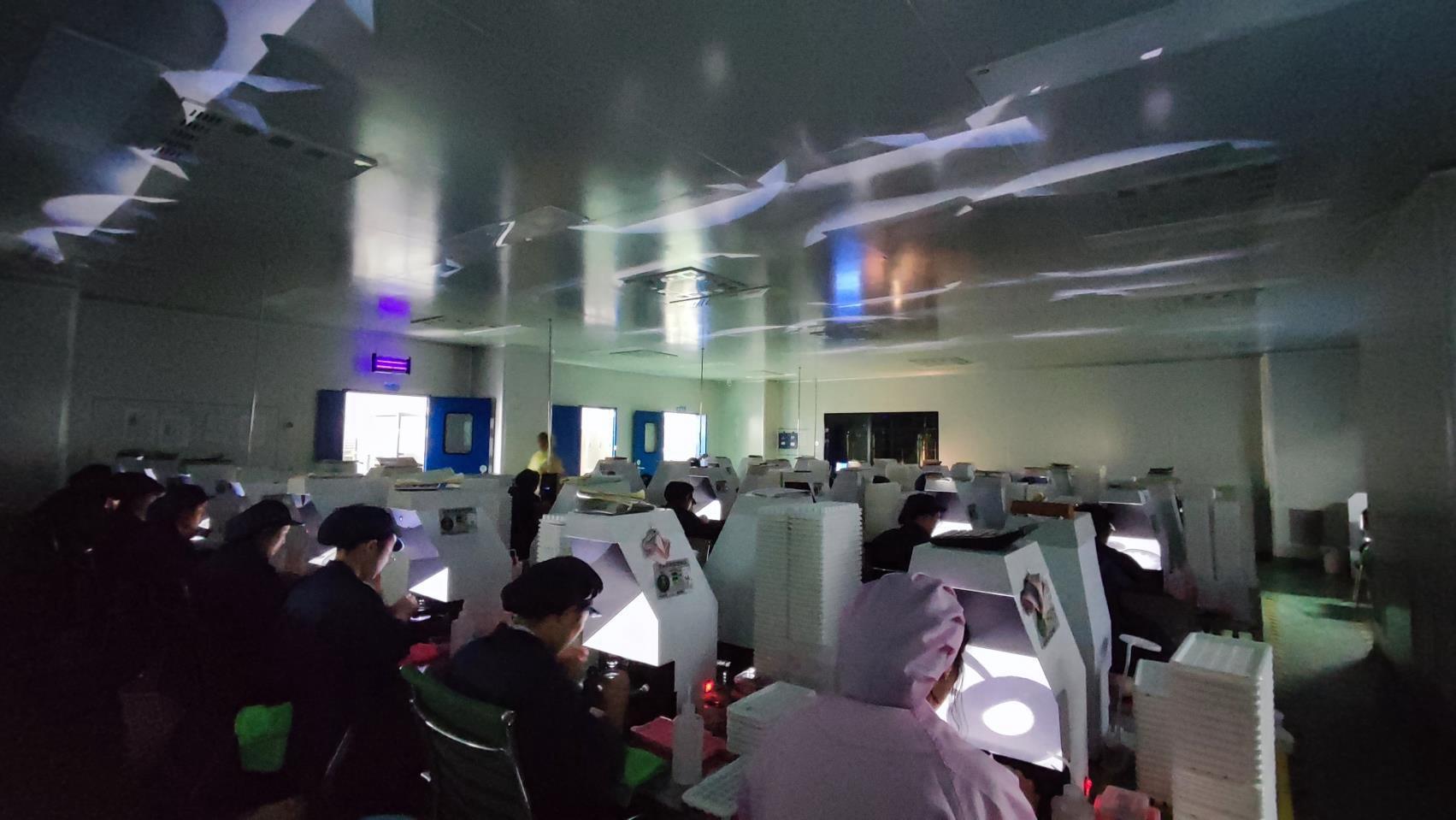
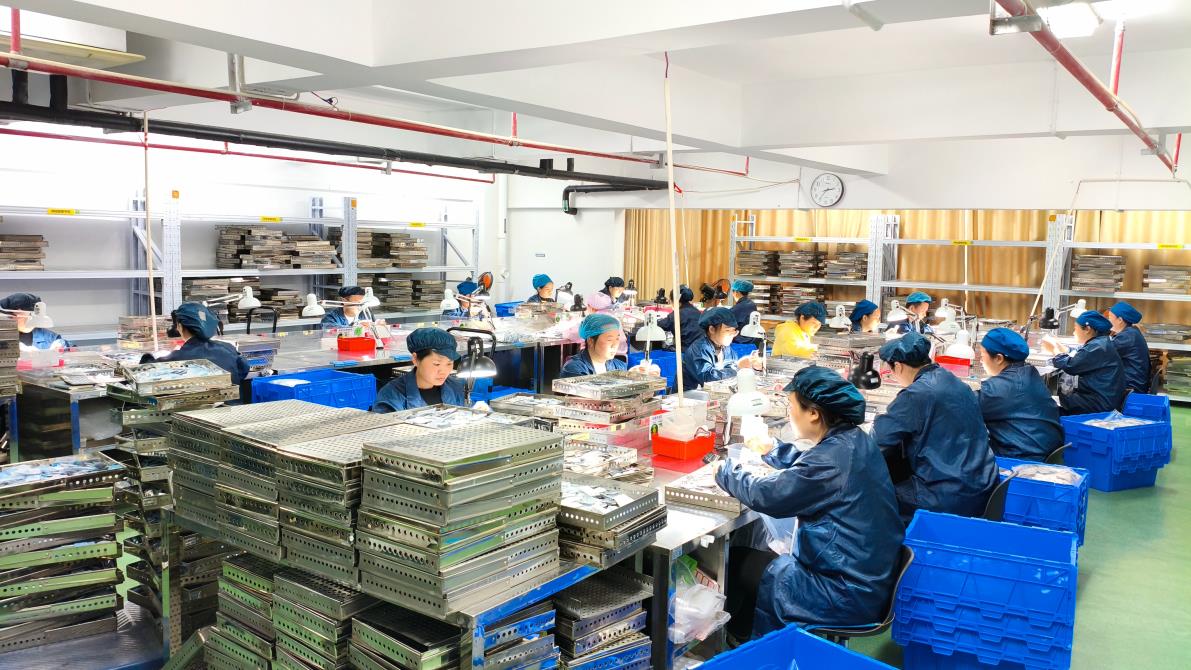
By leveraging automated cast-molding systems at our production headquarters in Dongguan, China, we minimize biological contact and manufacturing defects compared to semi-automated methods. Our cleanrooms are subject to continuous environment control and filtration monitoring, keeping sterile production environments within Class 100,000 medical requirements. This industrial standard guarantees that every lens, from prescription items to pure fashion cosmetics, leaves our factory floor sterile and defect-free.
How BeautyTone engineering ensures premium user comfort and high color clarity.
Cosmetic lenses require a balance of optical transparency, pigment isolation, and hydration. Standard contact lenses often risk pigment exposure to the cornea, which can lead to irritation. BeautyTone products utilize a proprietary Sandwich Printing Process. This seals the FDA-approved pigment layer between two layers of hydrophilic HEMA/Polymacon material, ensuring color pigments never make physical contact with the corneal surface.
Locks the color layers within the lens material, maintaining maximum oxygen permeability while keeping the outer surfaces smooth and safe for the eye.
Maintains a target range of 38% to 42% water content. This balanced hydration level prevents dry eye syndrome, especially in hot and dry climates like Mozambique.
Advanced edge profiling reduces friction during blinking, promoting natural tear circulation under the lens and extending comfortable wear time.
Establishing a reliable supply chain requires careful attention to regional customs clearance and product documentation.
B2B optical imports into Mozambique must comply with national customs frameworks and medical device guidelines. Since cosmetic colored contact lenses are classified as health-related devices, importers should secure proper clearance through the National Directorate of Pharmacy of MISAU. Without clear manufacturer documentation, shipments at major entry points like the Port of Maputo or Nacala Port can face lengthy inspections and administrative delays.
Hunan Vibe Lenses supports Mozambican buyers by providing complete product documentation. This includes detailed Certificates of Analysis (CoA), Free Sale Certificates (FSC), CE compliance registrations, and comprehensive packaging logs. Additionally, to address the tropical climate conditions of transit routes through Southern Africa, we package bulk shipments using high-grade, temperature-resistant secondary packaging. This safeguards the integrity of the lens blister packs, ensuring they remain sterile and stable during the entire maritime shipping process.
Key information regarding minimum order quantities, private labeling, and local delivery details.
Discover our broader catalog of color blends, cosmetic lens geometries, and design options for Mozambique's optical distributors.
 Vibe Lenses