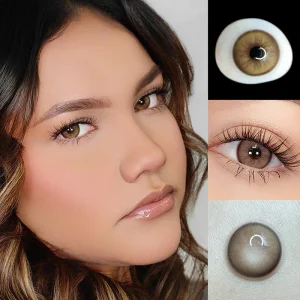
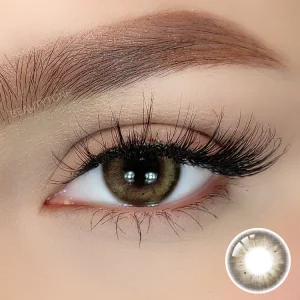
Advanced natural and colored lenses popular across Christchurch, Wellington, and Auckland
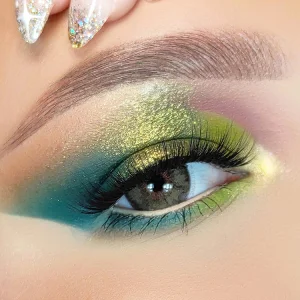
An authoritative analysis of regulatory compliance, automated manufacturing metrics, localized consumer distribution channels, and optimized supply chains connecting Chinese technological hubs to the South Pacific.
In New Zealand, the eyewear industry is undergoing a profound structural transition. What was once historically treated purely as prescription corrective medical equipment has evolved into a high-growth fashion accessory category. In metropolitan regions such as Auckland, Wellington, and Christchurch, the expansion of boutique beauty salons, cosmetic specialty retailers, and dynamic e-commerce stores has generated a strong surge in consumer demand for colored contact lenses and promotional cosmetic contact lenses.
New Zealand's unique geographic location, characterized by high ultraviolet index ratings and a strong cultural commitment to ocular health, mandates that any cosmetic lenses introduced to the market must deliver exceptional biocompatibility and high oxygen permeability. Importers and local brand owners face strict oversight. Unlike other cosmetic items, decorative lenses are categorized as medical products. Consequently, local distributors are heavily focused on establishing partnerships with manufacturing sources that offer premium materials (such as Hydrogel and Polymacon), optimal water retention dynamics, and impeccable micro-molded edges that prevent corneal fatigue.
Furthermore, the local Kiwi cultural calendar features prominent cosmetic opportunities, including the Auckland Pride Festival, nationwide pop-culture and Armageddon Expos, and seasonal retail shifts. These events drive massive surges in demand for theatrical, anime, and cosplay lenses. Smart brands rely on supply partners who can deliver robust, short-run variety collections alongside reliable bulk supply options.
On a global scale, the cosmetic contact lens market is projected to expand significantly, driven by a growing focus on beauty and digital aesthetic enhancement. Social media platforms, influencer branding, and digital color-matching apps have transformed colored contact lenses from niche medical items into daily cosmetic accessories. Globally, the market values speed-to-market, color precision, and uncompromising safety.
The major challenge facing global distributors is navigating the complex matrix of localized regulatory bodies (such as FDA, CE, Medsafe, and PMDA). Leading international brands avoid risks by sourcing only from producers whose manufacturing lines are verified under ISO 13485 (Medical devices — Quality management systems). Brands that fail to comply risk product seizures at borders, legal penalties, and irreparable harm to their brand reputation.
Hunan Vibe Lenses Technology Co., Ltd. represents the cutting edge of modern, automated medical manufacturing. By combining automated production processes with an artistic approach to lens design, the factory produces high-quality daily, monthly, and yearly cosmetic contact lenses that satisfy the strict criteria of discerning global brands.
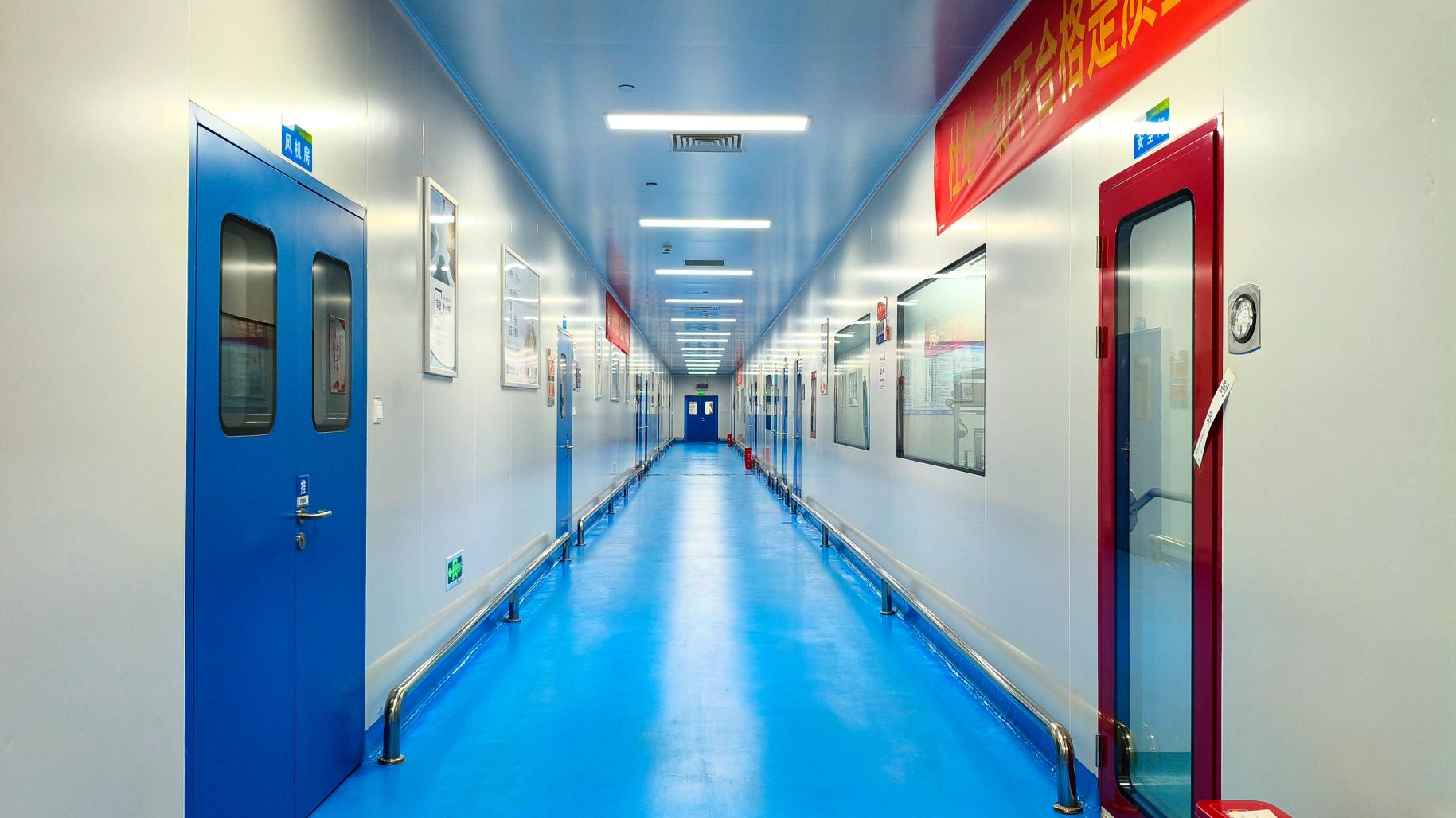
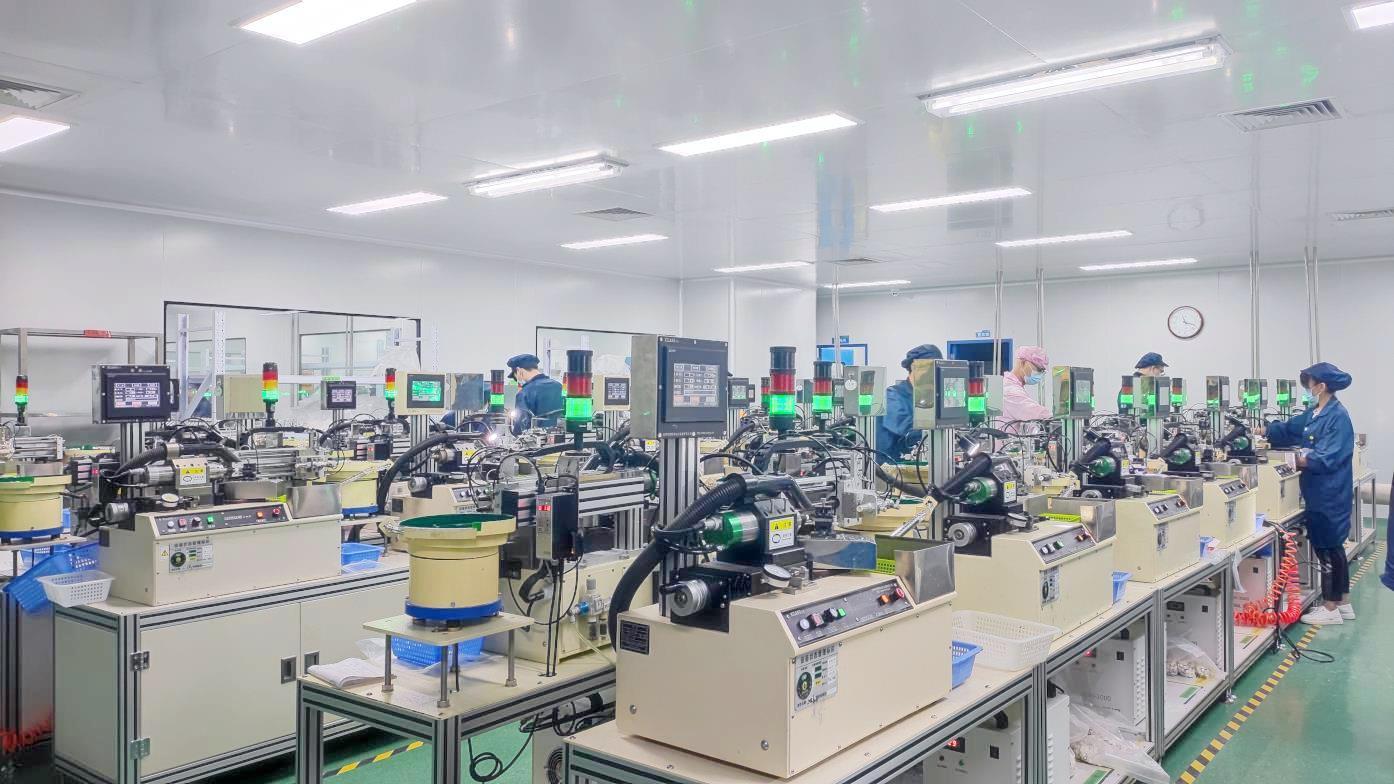
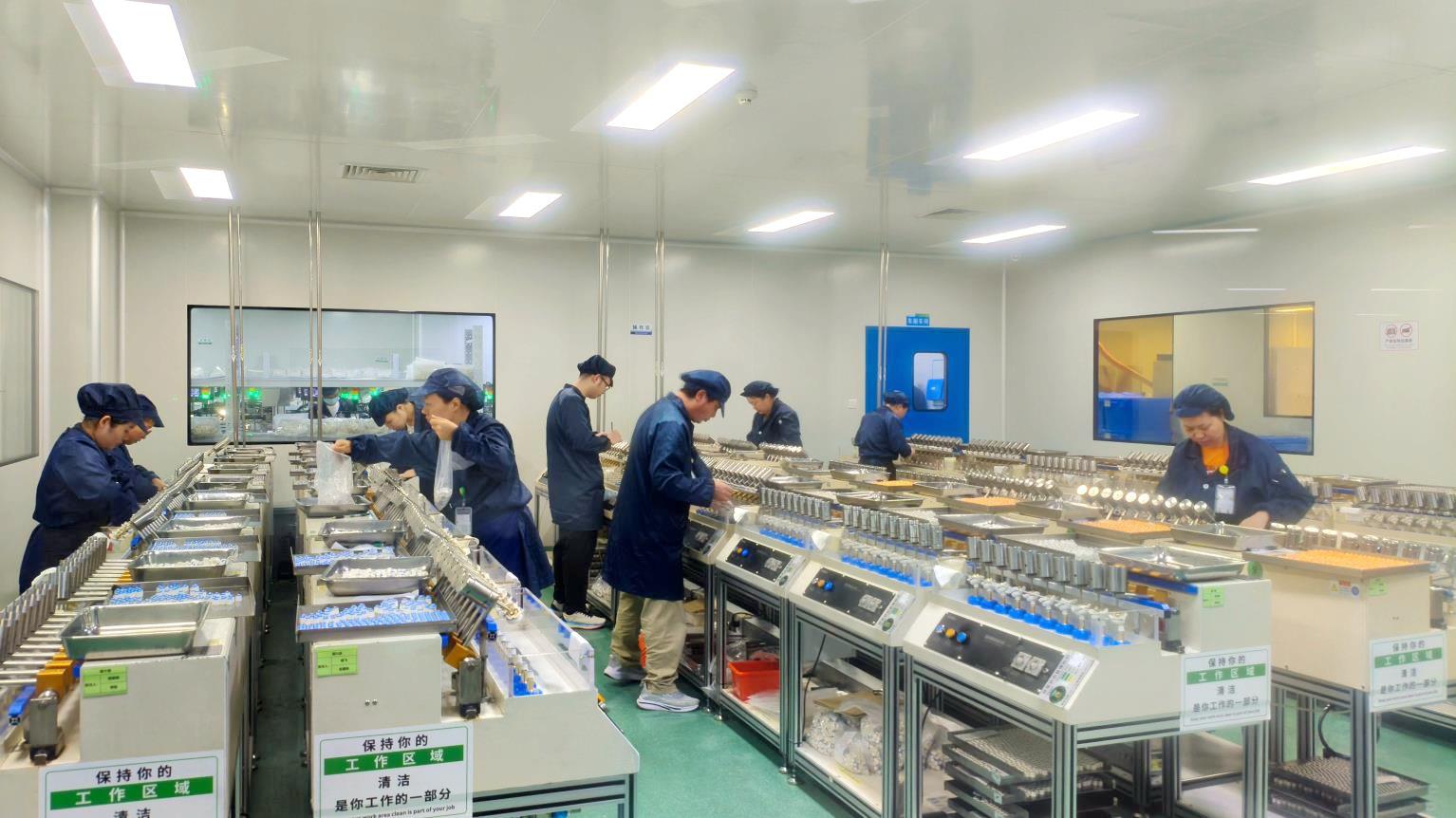
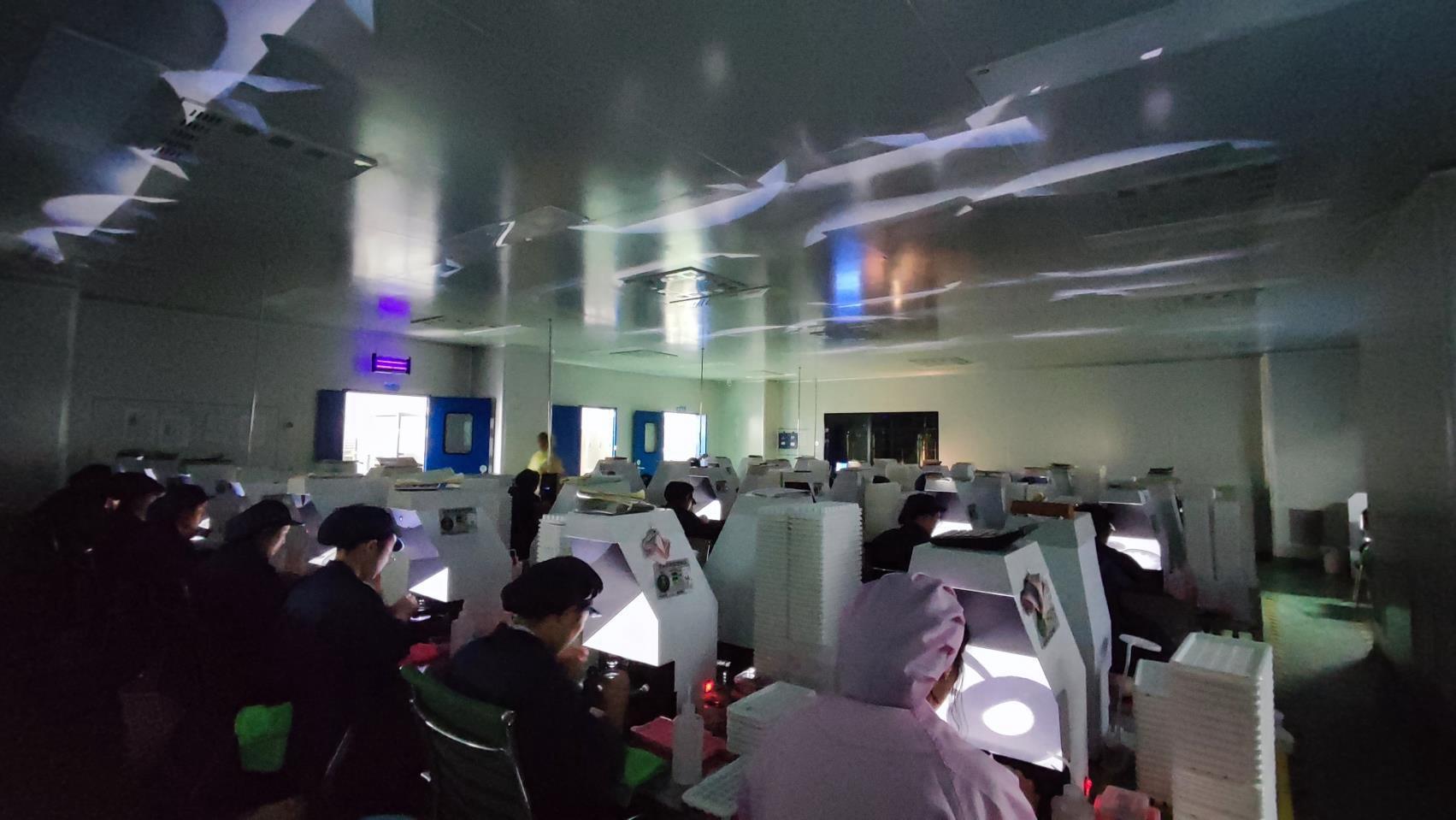
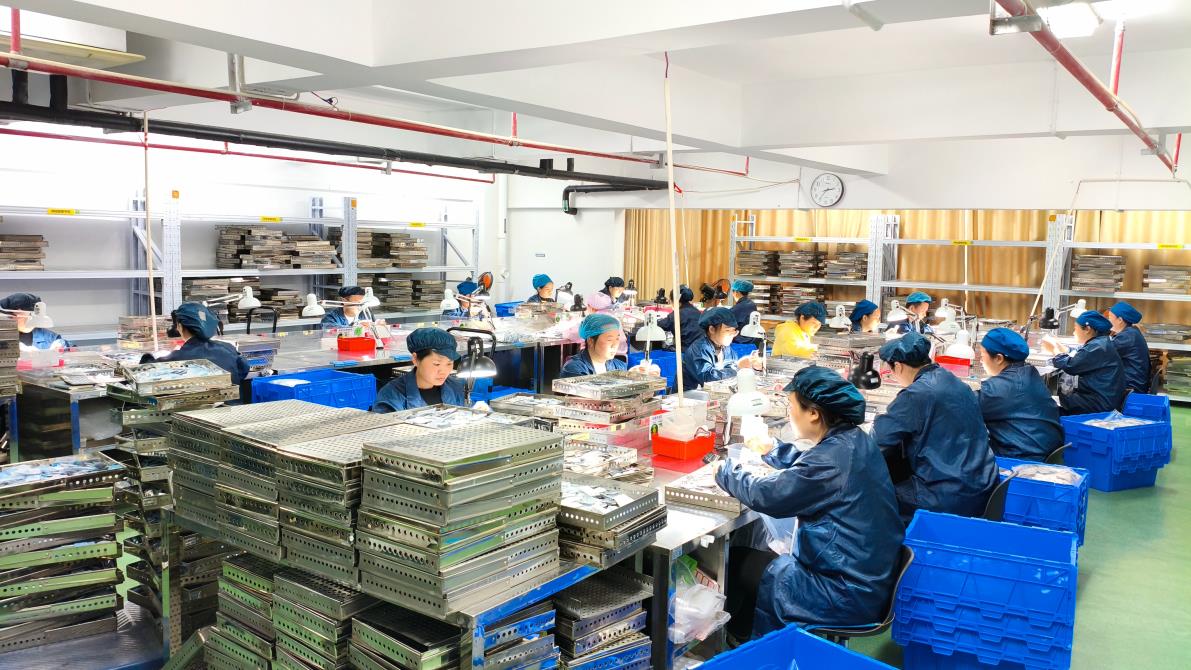
Operating in Class 100,000 cleanrooms and using automated cast-molding technology, the company ensures that every lens meets precise geometry standards, clean edge configurations, and consistent hydration.
Hunan Vibe Lenses Technology Co., Ltd. is a certified OEM/ODM manufacturer of premium contact lenses and cosmetic colored lenses. Based in Dongguan, China, we combine automated, medical-grade cast-molding production (Class 100,000 cleanrooms) with trend-forward design capabilities. As a trusted private-label partner, we deliver CE and ISO-compliant manufacturing solutions, reliable bulk wholesale, and end-to-end supply chain support for global eyewear and beauty brands.
China's advanced optical manufacturing ecosystem, centered in industrial clusters like Dongguan, offers key advantages in cost efficiency, technological innovation, and supply chain speed.
Developing customized collections for specific target demographics helps New Zealand brands stand out in a competitive marketplace:
Explore the manufacturing environments and strict quality control operations at Hunan Vibe Lenses Technology Co., Ltd.
Connect with our technical export team for customized quotes, regulatory documents, and free samples.
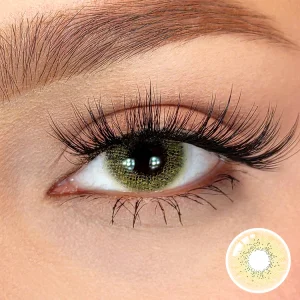
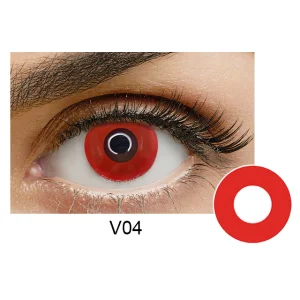
Send Inquiry NowExplore our full range of certified soft cosmetic, theatrical, and natural colored contact lenses.

 Vibe Lenses